
PixelSpyer

Cure & Care Tips ad: Knieschmerzen? Lies das ☝️

Knieschmerzen? Lies das ☝️
Cure & Care Tips

Health & wellness website, 20 followers, 14 ads in library

InactiveHealth & SupplementsImageLibrary ID 26282066214803294
Launched Jun 26, 2026Run time unknown

New ads are still being tested; watch whether it survives past 30 days.

Ad copy

Knieschmerzen? Lies das ☝️

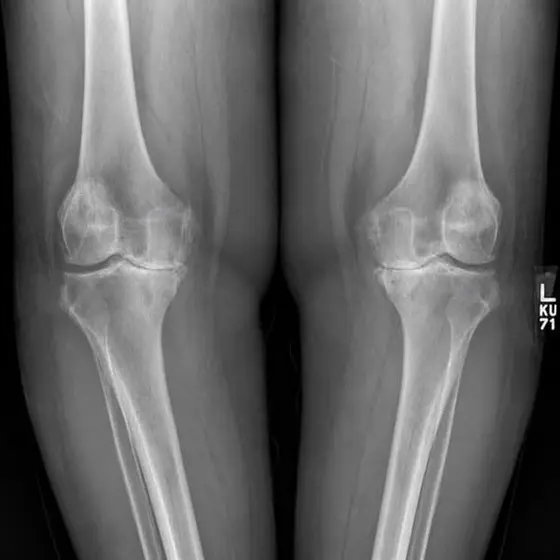
Ich wurde vor 18 Monaten am Knie operiert. Heute gehe ich am Stock. Wenn Sie auf der Warteliste stehen und dies lesen — lesen Sie erst, was ich gelernt habe, bevor Sie die Einverständniserklärung unterschreiben. Ich bin Patricia. 64 Jahre alt, ich lebe in einer ruhigen Kleinstadt und bin vor drei Jahren in Rente gegangen, nach zweiunddreißig Jahren als Klassenassistentin in einer Grundschule. Mein Mann Tony ist 66, ehemaliger Postbote. Wir haben zwei erwachsene Kinder und vier Enkelkinder, auf die wir uns unser ganzes Leben lang gefreut haben. Endlich wollten wir die Dinge tun, die wir uns immer vorgenommen hatten. Urlaub in Zeeland. Ausflüge mit den Enkelkindern. Der Garten, den ich seit Jahren im Kopf hatte. Stattdessen sitze ich hier am Küchentisch und schreibe dies, mit einem Gehstock, der an meinem Stuhl lehnt. Es begann im Jahr 2020. Ein nagender Schmerz im rechten Knie beim Treppensteigen in unserem Reihenhaus. Wir dachten: Verschleiß, etwas Physiotherapie, und das geht von selbst wieder weg. Es ging nie weg. Im ersten Jahr tat ich alles, was mein Hausarzt mir riet. Röntgenbild. Schwere Arthrose mit Knochen-auf-Knochen-Kontakt, beide Knie. Ein paar Kilo abnehmen, Paracetamol nehmen, Ibuprofen versuchen, wenn es schlimmer wird. Nach neun Monaten nahm ich fast jeden Abend Co-Codamol. Danach Omeprazol, weil das tägliche Ibuprofen meine Magenschleimhaut angegriffen hatte. Eine Pille gegen den Schmerz. Eine andere, um meinen Magen vor der ersten zu schützen. Ich hatte sechs von der Krankenkasse bezahlte Physiotherapie-Sitzungen. Übungen für den Quadrizeps, Glute-Bridges, warm und kalt. Der Physiotherapeut war nett. Acht Wochen später war der Schmerz genau derselbe. Zwei Kortisonspritzen. Jedes Mal vier Wochen Linderung, dann kam alles zurück — sogar schlimmer. Ich habe Glucosamin, Kurkuma, Magnesiumtabletten ausprobiert. Über 40 € pro Monat im Drogeriemarkt, mehr als ein Jahr lang. Mein Hausarzt bestätigte, dass mein Magnesiumspiegel im Blut normal war. Keine spürbare Verbesserung der Schmerzen. Ich habe Voltaren-Gel ausprobiert. Zehn Minuten Wirkung. Der Geruch von Medizin. Hat nie wirklich etwas bewirkt. Der Brief aus dem Krankenhaus kam dreizehn Monate später. Operation in vierzehn Monaten geplant. Setzen Sie in der Zwischenzeit Ihre derzeitige Schmerzbehandlung fort. Zu diesem Zeitpunkt wachte ich jede Nacht um drei Uhr auf. Der brennende Knochen-auf-Knochen-Schmerz an der Seite meines rechten Knies, manchmal auch links. Ich stand auf, ging nach unten, nahm eine Paracetamol, wartete, bis es etwas nachließ, und ging dann wieder ins Bett. Ich war ins Gästezimmer umgezogen, weil Tony selbst Rückenprobleme hat und seinen Schlaf braucht. Einundvierzig Jahre verheiratet, und ich schlief am Ende des Flurs, um ihn nicht zu wecken. Als der Operationstermin endlich da war, war ich erleichtert. Ich dachte: Jetzt komme ich endlich aus diesem Teufelskreis heraus. Der Chirurg sagte mir, der Eingriff habe eine sehr hohe Erfolgsquote. Die meisten Patienten gehen innerhalb weniger Wochen wieder. Er war freundlich. Er hat nicht gelogen. Er hat nur nicht alles erzählt. Zuerst wurde mein rechtes Knie operiert. Drei Tage im Krankenhaus. Die ersten sechs Wochen zu Hause waren das Härteste, was ich je erlebt habe, aber ich habe alle Übungen gemacht, die mir der Physiotherapeut aufgetragen hatte. In der achten Woche ging ich mit einer Krücke. Um die zehnte Woche herum kam der Schmerz zurück. Nicht derselbe brennende Knochen-auf-Knochen-Schmerz wie zuvor. Ein anderer Schmerz. Tief, warm, rund um das neue Gelenk. Der Chirurg sagte, das sei normal, es müsse sich erst setzen. „So etwas braucht Zeit.“ Manchmal ein Jahr, manchmal länger. Im sechsten Monat nach der Operation nahm ich immer noch jeden Abend Co-Codamol. Im neunten Monat hatte ich wieder mit Omeprazol angefangen. Im zwölften Monat wachte ich wieder um drei Uhr nachts auf — genau wie vor der Operation, aber auf derselben Seite, die operiert worden war. Ich ging zurück zum Chirurgen. Er untersuchte mich, sah sich das Röntgenbild an und sagte, die Prothese sitze perfekt. Er sagte, ich hätte Pech gehabt. Er benutzte dieses Wort. Pech. Ich fragte, ob das öfter vorkomme. Er zögerte einen Moment. Er sagte, dass etwa einer von fünf Patienten zwölf Monate nach einer Knie-Totalendoprothese immer noch unter chronischen Schmerzen leidet. Einer von fünf. Zwanzig Prozent. Diese Statistik hatte ich in meinem ganzen Leben noch nie gehört. Nicht von ihm. Nicht in der Broschüre, die ich bekam, bevor ich unterschrieb. Von niemandem. Wenn mir jemand vor der Operation gesagt hätte, dass ich eine Eins-zu-fünf-Chance hätte, den schmerzhaftesten Eingriff der orthopädischen Chirurgie zu durchlaufen und es mir danach nicht besser gehen würde — ich hätte niemals unterschrieben. Das war vor achtzehn Monaten. Heute gehe ich an den meisten Tagen am Stock. Ich kann nicht für meine Enkelin in die Hocke gehen. Ich kann die Treppe nicht hochgehen, ohne mich an beiden Geländern festzuhalten. Ich kann nicht auf meiner rechten Seite schlafen, weil das neue Gelenk nachts immer noch brennt. Das andere Knie ist immer noch Knochen auf Knochen, und der Chirurg hat vorsichtig angedeutet, dass ich das wahrscheinlich auch irgendwann operieren lassen muss. Ich sagte, ich würde darüber nachdenken. Ich bin nicht mehr hingegangen. Vor vier Monaten rief meine beste Freundin Suzanne an. Sie stand seit fünfzehn Monaten auf der Warteliste für ihr rechtes Knie. Sie hatte gerade ihr Vorgespräch zur Operation gehabt. Der Operationstermin war in acht Wochen. Sie wollte wissen, was sie erwarten könne. Ich setzte mich hin und erzählte ihr die Wahrheit. Alles, was ich hier gerade aufgeschrieben habe. Ich erzählte ihr von dem einen von fünf. Ich sagte ihr, dass ich dieser eine von fünf gewesen war. Ich sagte ihr, dass ich alles dafür geben würde, die Zeit zurückzudrehen und nicht unterschrieben zu haben. Sie war lange Zeit still. Dann fragte sie mich, was sie stattdessen tun solle. Ich hatte keine Antwort. Ich hatte achtzehn Monate lang gesucht und nichts gefunden. Ich sagte, ich würde weitersuchen und es sie wissen lassen. An diesem Abend saß ich um drei Uhr nachts am Küchentisch, wie die meisten Nächte inzwischen, und begann zu suchen. Ich las Artikel, von denen ich nie gedacht hätte, dass ich sie lesen würde. Patientenforen. Videos von Physiotherapeuten. Ich las über etwas, das sich zentrale Sensibilisierung nennt — was passiert, wenn chronische Schmerzen ein Eigenleben entwickeln, losgelöst von der ursprünglichen Ursache. Und dann fand ich etwas Bestimmtes. Die Beschreibung einer topischen Lotion, die speziell für Knie mit Knochen-auf-Knochen-Arthrose entwickelt wurde. Magnesiumchlorid, das direkt durch die Haut aufgenommen wird, fünf bis sieben Zentimeter tief, bis in den verkrampften Muskel um das Gelenk, der seit Monaten überlastet war. Arnika, um die angesammelte Entzündung in der Gelenkkapsel abzutransportieren. MSM, um die beschädigten periartikulären Nervenenden mit den Schwefelverbindungen zu versorgen, die sie zur Heilung benötigen. Ein Pfefferminz-Menthol als Penetrationsmittel, das alle drei Wirkstoffe durch die Faszien transportiert — dorthin, wo Voltaren-Gel nie hingekommen war. Der Mechanismus war schlüssig. Der Artikel erklärte, warum meine Magnesiumtabletten nie gewirkt hatten. Orales Magnesium gelangt über den Darm in den gesamten Blutkreislauf und verteilt sich gleichmäßig. Weniger als ein Prozent erreicht einen verkrampften, unterversorgten Muskel um ein arthrotisches Gelenk. Mein Bluttest war normal, weil mein Blut normal war. Das Gewebe um mein Knie war es nicht. Das war genau die Art von topischer Unterstützung, die man mir vor der Operation hätte anbieten sollen — nicht danach. Ich bestellte einen Tiegel. Ich sagte Suzanne, sie solle auch einen bestellen. Wir vereinbarten, es zwei Monate lang zweimal täglich zu verwenden und dann unsere Erfahrungen zu vergleichen. Am ersten Abend rieb ich die Creme vor dem Schlafengehen auf beide Knie. Neunzig Sekunden pro Knie. Ich schlief vier Stunden am Stück auf meiner linken Seite. Das erste Mal seit über vierzehn Monaten. In der dritten Woche war der brennende Schmerz um mein operiertes Knie so weit zurückgegangen, dass ich meine abendliche Dosis Co-Codamol halbieren konnte. In der sechsten Woche ging ich wieder mit dem Hund in der Nachbarschaft spazieren — langsam, aber an guten Tagen ohne Stock. Suzanne rief mich Anfang der vierten Woche an. Sie benutzte die Creme morgens und abends, neunzig Sekunden pro Knie. Sie hatte ihre Operation am Dienstag davor abgesagt. Sie hatte ihrem Chirurgen gesagt, dass sie sechs Monate warten und es dann neu bewerten wolle. Ihr Chirurg sagte, dass es seiner Erfahrung nach manchmal vorkommt, dass die Operation gar nicht mehr nötig ist, wenn Patienten während der Wartezeit eine gute topische Unterstützung finden. Sie steht seit drei Monaten nicht mehr auf der Warteliste. Sie geht besser als zu jedem Zeitpunkt im Jahr vor ihrem geplanten Operationstermin. Ich weiß nicht, ob mein Knie jemals vollständig heilen wird. Ich bin eine von den 20 % und die Operation kann nicht rückgängig gemacht werden. Aber jeden Abend creme ich es vor dem Schlafengehen ein, jeden Morgen wieder, und jede Nacht schlafe ich ein bisschen besser. Wenn Ihre Frau, Ihre Mutter oder Sie selbst einen Termin für eine Knieprothese im Kalender stehen haben, oder wenn Ihnen gesagt wurde, dass die Wartezeit zwölf, vierzehn oder achtzehn Monate beträgt — unterschreiben Sie nichts, bevor Sie gelesen haben, was ich gefunden habe. Den vollständigen Artikel können Sie über den Link unten lesen. Ich wünschte, jemand hätte ihn mir vor März 2024 unter die Nase gehalten. Er hätte mir vielleicht viel mehr erspart als nur mein Knie.

berizen.comLearn more
Placements
FacebookInstagramAudience NetworkMessengerThreads
Reach (0 locations)
Not disclosed
Languages
German

Why this ad works

Hook, angle, audience and three ideas to borrow — written by AI from the ad copy.

Similar ads from other brands

InactiveJun 29, 26
Feel Like Yourself Again

alevia.com

Feel Like Yourself Again

Learn more

The phone rang at 2:47 in the morning and I knew before I picked it up. You know that thing your body does. That cold thing in your chest before your brain has caught up. I knew. I just didn't know what yet. It was Memorial Hospital. A woman named Patricia who I will remember for the rest of my life because she said my name three times before I could form a sentence. Mrs. Vega. Mrs. Vega. Mrs. Vega. Your husband was brought in by ambulance about an hour ago. He's stable. We need you to come down. I asked her what happened. She said the words "hypertensive event" and I said okay even though I didn't know what that meant. I'd been a dental hygienist for 22 years. I cleaned teeth. I didn't know what a hypertensive event was. I just knew it had a word for it and that meant it was real. I drove from our house in Mesa to the hospital in 14 minutes. The speed limit is 45. I don't remember a single light. I don't remember my hands on the steering wheel. I remember pulling into the visitor parking lot and sitting in the car for 30 seconds because I couldn't make my legs work. His name is Daniel. We've been married 28 years. I'm going to tell you what happened that night and what happened in the 6 weeks after, because I made a promise to myself sitting in a hospital chair at 4 in the morning that if my husband came home alive I was going to tell other women what nobody told me. And he came home alive. So here I am. Typing this on a Sunday afternoon while he's outside in the garage doing something with the lawnmower. My name is Diana. I'm 54 years old. I clean teeth at a small dental practice off Southern Avenue. I have two grown sons, one in Tucson and one in Reno, and a granddaughter named Mia who is 4 and calls me Nana with two syllables, like Na Na. I've lived in Mesa, Arizona for 31 years. My husband Daniel sells commercial real estate. He drinks too much coffee. He used to smoke and quit in 2009. He grew up in a small town in New Mexico and he says yes ma'am to women in their 70s the way his mother taught him to. He turned 56 in February. I'm going to back up because I want to tell this right. Daniel had been off for a while. I don't know how long exactly. That's the part that haunts me. You live with somebody for 28 years and you don't notice the thing changing because you see them every day and the change is slow. He'd been getting headaches. He told me about them in November. Said they came on around 4 in the afternoon and felt like a band tightening across the back of his head. I told him to drink more water. He laughed and said he drinks a gallon a day. I told him to go to the doctor. He said he had an appointment in January for his physical and he'd bring it up then. January came. He went. He told me his blood pressure was a little elevated. The doctor wanted him to lose 10 pounds and watch his salt and come back in 6 months. That was January. The phone rang in March. In between January and March, this is what I noticed and didn't say anything about. He started waking up in the middle of the night to pee. Not unusual for a 56 year old man, I told myself. He was getting winded walking from the parking lot to his office building. The building has 18 stairs. He used to take them two at a time. By February he was taking the elevator and lying about it. He started skipping his Saturday morning bike ride with his friend Greg. He told Greg he was busy. He wasn't busy. He was sitting on our patio drinking coffee and looking out at the yard. His face had been a little puffy. His ankles had been a little swollen at night. He told me one Sunday in February that he felt "weird" and I asked what kind of weird and he said "just weird" and we changed the subject. I want you to understand something. I am not a stupid woman. I work in healthcare. I knew what those things meant. I just didn't put them together because he's my husband and I love him and you don't always want to see what you're seeing. The night it happened, Daniel had gone to bed at 10:15. I'd stayed up to finish a book. I went to bed around 11:30. He was already asleep. I noticed his breathing sounded heavier than usual but I told myself I was being paranoid. At 1:42 AM I woke up because he was sitting up in bed. I asked if he was okay. He said his head was hurting and he was going to take some Tylenol. He got up. I heard the bathroom faucet. I heard the medicine cabinet. Then I heard him say my name in a voice I'd never heard before. "Diana. Something's wrong." I got out of bed. He was sitting on the edge of the bathtub. His face was grey. Not pale. Grey. The color of wet cement. He was sweating through his t-shirt. His hands were shaking. I called 911 from the bathroom floor. The paramedics took 9 minutes. I let them in. They put him on a stretcher. One of them asked me what medications he was on and I said none, he doesn't take any medications, and the paramedic looked at me like I'd given the wrong answer. His blood pressure when they got there was 217 over 124. I rode in the back of the ambulance. I held his foot through the blanket because I couldn't reach his hand. I kept saying his name. He kept saying mine. At the hospital they took him back. I sat in the waiting room. A woman came out at 2:47 AM and that's when she called me. She was a nurse. She said he was stable. She said he hadn't had a stroke or a heart attack but he'd been very close to having one or the other. She said the word "hypertensive crisis" and explained it to me like I was a child, which I appreciated, because at 2:47 in the morning I needed to be talked to like a child. She said his blood pressure when he came in was higher than they liked to see. She said they'd brought it down and he was responding well to medication. She said I could see him in about an hour. I sat in a chair in the hallway and I called both of my sons. The one in Tucson answered on the second ring. The one in Reno answered on the fourth. I tried to be calm. I wasn't calm. At 4:15 AM they let me into his room. He was lying in a hospital bed in a gown. There were wires coming out of him in 6 different places. His face was less grey but his eyes were tired in a way I'd never seen them. He looked at me and he said, "I'm sorry, baby." I want to tell you what he said next because I think about it every single day. He said, "I knew. I knew something was wrong. I just didn't want to know." I sat down in the chair next to his bed and I held his hand and I didn't say anything for a long time. Because I knew too. I'd known since November. I'd known and I hadn't pushed. I'd let him not go back to the doctor. I'd let him not bring up the headaches when his number was elevated. I'd let him take the elevator and pretended I didn't notice. I'd let him because I was scared. Same as him. They kept him for 3 days. They sent him home with three new prescriptions and a sheet of paper with diet recommendations on it that we both knew he wasn't going to follow. They told him to come back in 2 weeks. That's when the second part of this story starts. Daniel went back to work after a week. He didn't want to. His boss told him to take more time. Daniel said he'd go crazy sitting in the house. He was right. He would have. He's not built for stillness. He started taking the medications. Lisinopril for the blood pressure. Hydrochlorothiazide which is a water pill. Amlodipine which I'd never heard of. He took them every morning with a glass of water and he didn't complain. The medications brought his number down. Within a week his readings at home were 134 over 86. The doctor said that was a huge improvement. The doctor was happy. Daniel was not happy. He was tired all the time. The kind of tired where he came home from work at 5:30 and sat on the couch and didn't move until I put a plate in front of him. He started having a dry cough that wouldn't go away. The water pill made him pee 8 times a day, which doesn't sound like a big deal until you're a grown man in a real estate office trying to sit through a closing. His feet got cold. His hands got cold. I'd reach for his hand at night and it would be cold the way feet are when they've been outside in winter. He said one night, "I'm alive, but I don't feel alive." We were sitting on the patio. It was the first week of April. The mountains looked purple the way they do in Mesa at sunset. He said it without drama. He said it like he was reporting weather. I didn't sleep that night. I went into the kitchen at 1 in the morning and I sat at the counter with my laptop and I started reading. I want to tell you what I read because I think it matters. I wasn't looking for an alternative to his medication. I was looking for something that might support what his medication was doing without taking more from him than it had already taken. He was already on three pills. Each pill came with side effects. Each side effect was making him feel less like himself. I'd watched a man I'd known for 28 years collapse in 2 hours and then I'd watched the medications that saved his life slowly drain something else out of him. There had to be more to the story than that. I started reading about blood pressure. Why it goes up. What's actually happening in the body. The doctor at the hospital had used the words "vascular health" and I'd nodded but I didn't really know what that meant. Here's what I learned, in plain language. Your blood vessels are not just plumbing. They're alive. The inside of your blood vessels is a thin layer of cells called the endothelium and that layer is supposed to flex and dilate and respond to what your body needs at any given moment. When you're exercising it should let more blood through. When you're resting it should relax. When you're under stress it should manage the pressure without staying clamped down. When your endothelium isn't healthy, it stops doing those things well. It gets stiff. It gets inflamed. It can't dilate the way it's supposed to. And your heart has to push harder to move blood through it. That's what high blood pressure actually is. It's not just a number. It's a sign that the inside of your blood vessels isn't working the way it should. Medications can help bring the number down. They do it by relaxing your vessels chemically, or by reducing the volume of fluid in your body, or by slowing your heart rate. They work. Daniel's medications worked. He was alive because of them. But what they don't do is repair the underlying issue. They manage the number. They don't address what's making the number go up in the first place. That's when I started reading about Amla. I'd never heard the word. Amla. It's a small green fruit that grows on trees in India. The English name is Indian gooseberry. People have been using it as food and medicine in South Asia for over 3,000 years. What got my attention was a study I read where researchers had given Amla extract to people with metabolic syndrome and watched what happened to their endothelial function over 12 weeks. The reflection index, which is a measure of how well your blood vessels are working, improved. Their nitric oxide levels went up. Nitric oxide is what your blood vessels use to dilate. Their inflammation markers went down. Their blood pressure responded. I read for 4 hours. I read studies. I read summaries of studies. I read medical journal articles I had no business reading at 1 in the morning. And what I kept finding was that Amla seemed to support the very things Daniel's medications couldn't address. The vessel health itself. The inflammation underneath the number. The oxidative stress that ages blood vessels faster than the calendar should. I want to be clear with you. I am not a doctor. Daniel is on medication and he's staying on medication. I'm not telling anyone to throw away their prescription. I'm not telling you Amla is a cure. I'm telling you what I read and what I decided to try because I couldn't keep watching my husband sit on the couch with cold hands feeling not alive. I ordered Alevia Amla on a Wednesday. I'm going to tell you why I picked Alevia because I looked at a lot of options. There was cheap Amla powder on Amazon. There were random brands with ingredient lists that worried me. Alevia uses the form of the fruit that's been studied in actual human research, in a dose that lines up with the studies. The bottle has a 90 day money back guarantee. That mattered to me because I'd just spent $4,800 on a hospital bill and I wasn't going to throw money at something that might be nothing. The bottle came on Friday. I gave Daniel the first capsule on Saturday morning at 7:30 AM with his other medications and his coffee. I didn't make a big deal out of it. I just said, "Try this for me." He said, "What is it?" I said, "It's a fruit. It's been around for 3,000 years. I read about it. Just take it." He looked at me for a second. Then he took it. Because he loves me. The first 2 weeks I didn't notice anything. I checked his blood pressure every morning the way the doctor had asked us to. The numbers were the same as they'd been on the medication. 132. 128. 134. Steady but unchanged. Day 17 was when I noticed his hands. I reached for his hand on the couch and it was warm. Just warm. Like a normal person's hand. He didn't notice. I did. I held it for a minute and then I let it go and I didn't say anything because I didn't want to jinx it. Day 24 was when he came home from work and walked the dog before dinner. He hadn't done that in 6 months. He hadn't done it on his medication. He just did it. Came in the door, said hi, picked up the leash, took Bandit out. Walked him for 20 minutes. Came back. Made himself a sandwich. Day 31 was when his cough went away. Not gradually. It was just gone one Saturday and I noticed because I realized I hadn't heard it that morning. Day 40 was when he asked me if we wanted to drive up to Sedona for a weekend. Day 51 he went back to his Saturday bike rides with Greg. His blood pressure on day 60 was 122 over 78. The doctor was surprised. The doctor asked if he'd been changing anything. Daniel told him about the Amla. The doctor was careful but not dismissive. He said we'd watch the numbers. He said if they stayed where they were he'd consider lowering one of the medications at the next visit. I want to be careful here. We are still 6 weeks into this. Daniel is still on all three medications. Nobody is reversing anything and nobody is calling this a cure. What I'm telling you is that my husband stopped feeling like a man whose battery was disconnected and started feeling like himself again. That's the only claim I'm making. He showed up to Mia's preschool spring program two weeks ago. He played horsey with her on the floor of our living room afterward. I watched him from the kitchen doorway and I cried into a dishtowel because there was a stretch of about 8 weeks where I genuinely didn't know if my granddaughter was going to remember him. I made a promise to myself in a hospital chair at 4 in the morning that if he came home I would tell other women what nobody told me. So here it is. If you're a woman my age and your husband has been "off" for a while and you've been telling yourself it's nothing, please don't wait for the phone call at 2:47. Take him to the doctor. Push him. Be a pest. Be the wife he resents for two weeks because she made him go in. And after the doctor, after the medications, after the moment when the number comes down but the man you married is still missing, please look at what's actually happening underneath the number. Read about Amla. Read about endothelial function. Read about what a fruit that's been used for 3,000 years has been associated with in human research. I'm not selling you anything except a story. The product I trust is Alevia Amla. The 90 day money back guarantee is what made me click the order button at 5 in the morning when I was scared. If it doesn't work for your husband, you send it back. That's the deal. That's the only fair deal. Daniel is in the garage right now. He's been out there for 2 hours doing something with the lawnmower. I can hear him whistling through the kitchen window. He hadn't whistled in about a year and I didn't notice it was missing until it came back. I want every woman reading this to hear her husband whistle again. P.S. The cardiologist told us at our last visit that endothelial function is one of the most under appreciated parts of cardiovascular health. He said most patients only ever hear about cholesterol and blood pressure, but the inside of the vessels is where the actual story happens. That's what Amla is associated with supporting. The story underneath the numbers. P.P.S. The 90 day money back guarantee is real. I called Alevia myself before I ordered because I wanted to hear a person say it. They picked up. The woman on the phone told me that if any customer doesn't see what they hoped for in 90 days, they refund the full purchase. No restocking fee. No questions. I'd never had a supplement company stand behind their product like that. P.P.P.S. Daniel doesn't know I'm writing this. He'll see it eventually. He's going to be a little embarrassed and a lot grateful. He's a private man and this isn't the kind of thing he'd want shared. But I made a promise in that hospital chair, and I keep my promises. P.P.P.P.S. If you're the husband reading this over your wife's shoulder, please listen to her. If she's worried, she's worried for a reason. Don't make her wait for the ambulance. 👉 https://alevia.com/amla/33


InactiveJun 28, 26 · 1d
2000 readers are reading now

plotaranovel.com

2000 readers are reading now

Learn more

The contraction hit me in the back of a locked bedroom, and nobody came. I screamed. I pounded the door until my fists bled. I was eight months pregnant with Alexander Blackwell's baby, and I was locked in the servants' quarters of his Manhattan estate like a dog. His fiancée, Vivienne, had the only key. Let me go back twelve hours so you understand how I ended up here. My name is Maren Cole. I'm twenty-four. I was a nursing student with $200,000 in debt from my mother's cancer treatments when I signed a surrogacy contract with Blackwell Fertility Partners. The deal was clean: carry the embryo, deliver a healthy baby, receive $150,000. No contact with the biological father. No complications. They lied. The biological father was Alexander Blackwell himself — thirty-two, billionaire, CEO of Blackwell Industries, and the coldest man I have ever met. He looked at me the way you look at a piece of medical equipment. Functional. Temporary. Disposable. "You will live in the east wing," he told me on my first day at the estate, not even looking up from his phone. "You will follow the nutritional plan. You will not enter the main house without permission. And you will not speak to me unless spoken to." I should have walked out. But my mother was dying, and the hospital bills were drowning us. So I swallowed my pride and said, "Yes, Mr. Blackwell." For three months, it was bearable. The east wing was comfortable. The doctors were professional. I followed every rule. I grew his baby inside my body and asked for nothing. Then Vivienne Laurent moved in. She was his fiancée — a French socialite with porcelain skin, razor-sharp cheekbones, and eyes like a snake. She hated me on sight. Not because I'd done anything wrong. But because I was carrying the one thing she couldn't give him. She was infertile. That's why they'd hired a surrogate. And every time she looked at my growing belly, I saw murder in her eyes. It started small. My meals would arrive cold, or not at all. My prenatal vitamins disappeared from my bathroom. The thermostat in my room was turned down to fifty degrees in the middle of winter. I reported it to the house manager. He smiled politely and did nothing. I tried to tell Alexander. He didn't even let me finish. "Vivienne is the lady of this house," he said, his voice like a blade. "If you have a problem with her, the problem is you. Don't waste my time again." So I stopped complaining. I wrapped myself in extra blankets. I bought my own vitamins with the little money I had. I ate whatever scraps I could find in the kitchen at 2 a.m. I told myself: Just survive until the baby comes. Take the money. Save your mother. Get out. But Vivienne wasn't done. Last night, at a dinner party with thirty of Alexander's business associates, she made her move. She stood up, flicked her champagne glass toward me, and screamed. "She tried to POISON me! I saw her put something in my drink!" Every head turned. Alexander's face went white, then red. He didn't ask me what happened. He didn't check the glass. He didn't even look at me. He grabbed my arm so hard I heard something pop in my shoulder, dragged me out of the dining room in front of everyone, and threw me into the servants' quarters. "You stay here until I decide what to do with you," he snarled. The door locked from the outside. That was twelve hours ago. Now I'm on the floor, contractions ripping through me, eight months pregnant, alone, and I can hear Vivienne laughing on the other side of the wall. And the worst part? The baby I'm about to deliver early, in this cold room, on this concrete floor — she isn't just a surrogacy contract. She's mine. Alexander doesn't know. Nobody knows. The clinic made an error. They implanted MY egg. This is my biological daughter. And her father just locked me in a room to die.

InactiveJun 28, 26
If you're tired of being dismissed and ignored, read this... ☝️

nourial.com

If you're tired of being dismissed and ignored, read this... ☝️

See details

For 3 years I was told my pain was anxiety, and handed another prescription. Then a neurologist pressed something to my chest, and the pain I lived with every day went silent. I sat in her office, holding back tears. Not from the pain this time. Though it was always there, humming in the background, every hour of every day. No. I was crying because I was tired. Tired of being told my pain wasn't real. Tired of hearing "your tests came back normal" like it was supposed to comfort me. Tired of watching doctors glance at their watches while I tried to explain that something was deeply, fundamentally wrong inside my body. "Have you considered that this might be stress-related?" my GP asked, already reaching for her prescription pad. I wanted to scream. If it was stress, why did the pain wake me up at 4 AM, radiating so deep it felt like my bones were humming with electricity? If it was anxiety, why did my shoulders feel like they were filled with broken glass every time I tried to lift my arms above my head? I had tried everything they suggested. Meditation apps. Yoga. Magnesium supplements. CBD oil. Acupuncture. Anti-inflammatory diets. Physical therapy twice a week for eight months. Nothing worked. Or rather... everything worked for a few hours. Maybe a day. Then the pain came crawling back, settling into my body like it owned the place. After my sixth doctor gave me the same dismissive shrug, I did something I should have done years earlier. I found a neurologist who specialized in chronic pain and nervous system disorders. Her name was Dr. Chen. She spent 40 minutes with me. Forty minutes. I almost cried just from being listened to. She ran tests the other doctors never thought to run. She asked questions no one had asked before. And then she showed me something on a nerve conduction study that changed everything. "See this?" she said, pointing to a pattern on the screen. "Your nervous system isn't functioning normally. It's stuck in fight-or-flight mode. Chronic sympathetic activation. Your nerves have become hypersensitive. They're amplifying pain signals that should be minor, and they're firing even when there's no injury present." She set down the chart and looked at me. "Your pain isn't psychological. It's neurological. There's a difference. And the reason nothing has worked is because pills and stretches don't reset a dysregulated nervous system." I sat there in silence, processing. For three years, I had been told I was anxious. Stressed. Overthinking. That I needed to relax. And the whole time, my nervous system was physically stuck in a state of emergency, screaming danger signals that no amount of deep breathing could turn off. "So what do I do?" I asked. "How do I reset it?" Dr. Chen didn't answer right away. Instead, she pulled a metal instrument out of her desk drawer. It looked like a two-pronged fork with a weighted base. "This is a 128 Hz tuning fork," she said. "Neurologists have used this frequency for over 60 years to test nerve function. But here's what most doctors don't realize, or don't tell their patients." She struck the fork against her palm. A deep, resonant hum filled the room. "This specific frequency doesn't just test your nerves. It calms them. When you apply this vibration to your body, it triggers a release of nitric oxide. A molecule that dilates blood vessels, increases circulation, and physically shifts your nervous system out of fight-or-flight." She pressed the base of the fork against my collarbone. The vibration traveled through my chest, down my spine, into places I didn't know could feel anything except pain. For ten seconds, the constant background noise in my body went quiet. Not muted. Not dulled. Quiet. She pulled the fork away, and the hum faded. "That's what your nervous system is supposed to feel like," she said. Then she put the fork back in the drawer. "So you'll do this every visit?" I asked. She paused. "I can't. Insurance only codes this as a diagnostic test. Officially, this isn't a treatment." I drove home in a daze. If my own neurologist couldn't give me the one thing that quieted my body in ten seconds, I would find it myself. That night, I couldn't sleep. But not because of the pain. Because I couldn't stop researching. I bypassed the wellness blogs and went straight to the medical journals. Everything Dr. Chen said checked out. 128 Hz is the specific frequency that resonates with human nerve tissue. It's been used in neurology for decades. And studies showed that sustained exposure to this vibration triggers nitric oxide release, reduces inflammatory markers, and shifts the autonomic nervous system toward parasympathetic dominance. Rest and digest. Not fight or flight. The science wasn't alternative medicine. It wasn't woo-woo. It was physics meeting biology. I ordered a medical-grade tuning fork that night. When it arrived two days later, I felt foolish. It was just a piece of metal. Heavy. Simple. My neck was locked up that morning. The kind of tension that made turning my head feel like grinding gears. I struck the fork against my palm and pressed the stem to the base of my skull. Hummmmm. The vibration didn't stay on the surface. It traveled. Through bone. Into tissue. Somewhere deep. Within thirty seconds, the grinding sensation softened. The muscles at the top of my spine released, like a massage working from the inside out. I sat on my bed and cried. Not because of the relief. Though that was part of it. Because I realized how much time I had lost. Three years of being told I was imagining things. Three years of doubting myself. Three years of my body screaming for help while doctors told me to download a meditation app. And the answer was physics. I started using the fork twice a day. Morning and night. On my neck, my shoulders, my lower back, the base of my skull. Within two weeks, the constant background ache that I had learned to live with started to fade. I stopped waking up at 4 AM. I made it through entire workdays without needing to lie down. By the end of the first month, I went for a walk with my husband. A real walk. Not a shuffle to the mailbox and back. He noticed before I did. "You're not wincing when you move," he said. I hadn't realized I had been. I'm writing this because I know there are other people out there who have been told their pain is psychological. Who have been gaslit by doctors who spent eight minutes with them and dismissed years of suffering. Who have tried everything and are starting to believe that maybe the pain really is all in their head. It's not. Your nervous system might be stuck. And no amount of willpower or positive thinking can settle it on its own. But the right 128 Hz frequency, applied the right way, can help it stand down. The tuning fork I use is the Nourial 128 Hz Healing Instrument. I looked at cheaper ones on Amazon, but they're made from cast aluminum that doesn't hold the frequency precisely. And if the pitch is off, you don't get the neurological benefit. Nourial machines theirs to medical-grade precision. The weight is balanced to sustain vibration deep into tissue. It feels like a surgical instrument, not a toy. And it doesn't arrive as a bare piece of metal you have to figure out on your own. It comes as a complete kit. The fork itself, an activator hammer to strike it cleanly every time, a protective pouch so it never gets knocked off its frequency, and the complete Tuning Fork Guide that maps out every placement point on the body. So from the very first night, I knew exactly where to press it and for how long. That last part mattered more than I expected. I had read about people who ordered a fork online, opened the box, and had no idea what to do with it. Mine came with the map. Nourial backs it with a 60-Day Money-Back Guarantee, which is honestly the only reason I let myself try it in the first place. I told myself: if I don't feel a real difference, I'll send it back. I didn't send it back. I bought a second one for my desk. If you've been dismissed, gaslit, or told your pain isn't real, this might be your answer. The only thing I regret is the three years I waited. Every week I told myself "maybe next month" was another week my nervous system stayed stuck. You deserve to know your pain is valid. You deserve to feel like yourself again.

InactiveJun 28, 26
Feel Like Yourself Again

mysimpledose.com

Feel Like Yourself Again

See details

I was nineteen when I found my mother on the kitchen floor. She'd been down for almost three hours. Her feet had gone so numb she never felt herself losing balance, and once she was on the floor she couldn't get the leverage to stand back up. I'll never forget her face when I came through the door. Not frightened. Embarrassed. Like a child caught doing something wrong. Forty-four years later, I was lying on the same kind of floor, in my own kitchen, staring up at the underside of my own table, and the only thought in my head was: So this is how it starts. My name is Ruth. I'm 63. And I have spent most of my adult life quietly terrified of becoming my mother. She had what they called neuropathy. Nobody ever explained it to her beyond that word. The burning came first, then the numbness, then the falls. She broke her hip at 71 on the back porch steps and was never the same after. She stopped going out. Then she stopped calling. The woman who taught me to bake bread and never forgot a birthday slowly folded up into a chair by the window. She died at 74. Her feet were still burning the week she passed. After everything, the one thing nobody ever stopped was the burning. I promised myself — promised — that I would never let that happen to me. Then, at 58, I felt the first tingle in my toes. I knew exactly what it was. I'd watched it before, from the front row, for years. And I felt the floor of my life tilt, because I knew where this road went. I'd helped my mother down every step of it. I went to my doctor immediately, determined to get ahead of it. Dr. Pruitt looked at my feet, scrolled through my chart, and gave me twelve minutes. "Peripheral neuropathy," he said, like he was reading a weather report. "Progressive. Very common after sixty. We manage the symptoms." Manage. The same word they used on my mother. He offered gabapentin. I asked what it did long-term. He talked about fog and dizziness and weight. I thought about my mother already unsteady on numb feet, and how a drug that made you dizzier was the last thing she'd needed. I told him I wanted to try other things first. He shrugged, typed a note, and told me to come back in six months. I was a statistic to him. Exactly what my mother had been to her doctors. Nothing learned in forty-four years. So I tried to outrun it on my own. B12, the expensive methylated kind. Alpha lipoic acid at a real clinical dose, twice a day, for months. A nerve formula with a label like a phone book. Magnesium. Fish oil. Capsaicin cream that burned worse than the neuropathy. I spent close to two hundred dollars a month for nearly two years. Some weeks felt slightly better. Most weeks felt like the week before. And underneath all of it, the thing I feared most kept happening anyway. It spread. It started in my toes. By the second year it had taken the balls of both feet. Then the numbness crept toward my ankles, and I started doing the things I swore I'd never do. Holding the railing on every staircase. Scanning the floor in front of me. Wearing shoes inside my own house because bare feet felt unsafe. And then, on an ordinary Tuesday, I went down in my kitchen. I didn't trip. My feet simply didn't tell me where they were, and the floor came up to meet me. I lay there for I don't know how long, looking at the underside of my own table, unable to find the strength or the angle to get back up — and I understood, with a calm that scared me more than panic would have, that I had become her. I cried on that floor. Not from the fall. From the certainty of where it was all heading. I almost gave up that week. I'd stopped believing anything would change it. I had started rehearsing the version of my life where I just accepted it, the way my mother had to. What changed everything wasn't a doctor. It was a pharmacist. I was at the counter picking up yet another nerve supplement — the third brand that year — and the young pharmacist, her name was Renee, rang it up, paused, and said something no one in a white coat ever had. "Can I ask you something? Has anyone ever explained to you why none of these work?" I told her no. I told her I'd tried them all. She leaned on the counter and lowered her voice, like she was telling me something she wasn't strictly supposed to. "Your nerve cells are alive. They spend every second repairing themselves, carrying signals, keeping the protective coating around the nerve intact. But to do any of that they need energy — and your nerve cells need more of it than almost anything else in your body, because they're enormous. A single nerve can run three feet long. They're the hungriest cells you have." "Okay," I said. "That energy is made by little engines inside the cell called mitochondria. As you age, and with everything modern life throws at you, those engines wear down and slow. And because your nerve cells are the hungriest, they're the very first to run out of power. That's the tingling. Then the burning. Then the numbness. Then the spreading." I felt the hair stand up on my arms. "So the supplements," she went on, nodding at the bottle in my hand, "all of these deliver nutrients to the cell. That part's real. But if the cell has no power, it can't use any of them. It's like buying a brand-new battery and trying to put it in a car whose engine already seized. The power is sitting right there in the box. The car still can't move." I stood at that counter and felt forty-four years of helplessness rearrange itself into something I could finally understand. "And gabapentin?" I asked. "Turns the alarm down. It doesn't restore the power. The damage keeps going underneath. That's why people keep getting worse on it." That's why my mother's feet burned until the day she died. "So what does turn the power back on?" I asked. She smiled like she'd hoped I'd ask. "There's a switch in your body called AMPK. It's the master control for those engines. Flip it on and your body starts firing the mitochondria back up. And one of the best natural ways to flip it is a fruit called Amla — Indian gooseberry. Himalayan healers used it for over five thousand years for exactly this kind of breakdown. They called it 'the nurse.' When researchers tested over three thousand foods for antioxidant strength, it came out number one. Not blueberries. Not green tea. Amla, and it wasn't close." "Why would it help the nerves specifically?" I asked. "Because when the power comes back, the hungriest cells respond first. The ones that have been starving the longest. Your nerves failed first — so they're first in line to recover." I went home and read everything I could find, the way my mother never had the chance to. It all held up. But I also learned the part Renee hadn't said: most Amla on the shelf is useless. The compounds that flip the AMPK switch are fragile and high heat destroys them — and most cheap brands use high heat. You get a bottle of dead powder. I found that out for myself first, with a fourteen-dollar bottle that did nothing for a week. Then I read closer. What the research used was a standardized extract — organic, low-heat processed, third-party tested for actual potency, not just purity. I went looking for one that met every mark, and one name kept surfacing in the forums where people post their real week-by-week logs. Simple Dose. Standardized Amla extract. Organic. Low-heat processed so the active compounds survive into the capsule. Third-party tested, with the lab results published right on their site. Clinical-strength dose in a vegetable capsule. Made in the USA in small batches. 60-day money-back guarantee. Every cent back if it did nothing. After two years of watching myself turn into my mother, sixty days was nothing. Two capsules with breakfast. That's all it is. I told myself to expect nothing until the full sixty days. I'd been let down too many times to hope early. End of week one: I slept through the night. The burning that usually pulled me awake didn't. I woke up in the same position I'd fallen asleep in, and I lay there for a minute not trusting it. Week two: my daughter, who'd been quietly watching me decline for years, said over the phone, "Mom, you sound lighter." I hadn't told her I'd started anything. Week three: I was standing at the sink and felt the warm dishwater run over my feet where I'd splashed. Not the burn. The warmth. I stood there with my hands dripping and cried, the way you cry over something far too small to cry over, because if you've lost it you understand. By weeks five and six the numbness was pulling back down toward my toes instead of climbing, my balance felt like mine again, and I'd stopped white-knuckling the stair rail. Then came the morning that closed the circle. My granddaughter Lila, who's six, asked me to do a puzzle with her on the living room floor. For two years I'd said no to the floor, because the floor was where you fell and didn't get up. That morning I got down on it. We did the whole puzzle. And when we finished, I put my hand flat on the carpet, pushed, and stood up on my own. Steady. No furniture, no help, no one watching to catch me. Lila didn't even notice. To her, Grandma just stood up. I had to go to the bathroom and hold the sink for a minute, because the last person I'd watched lie helpless on a floor was my mother, and here I was getting up off one like it was nothing. Two months later I had my follow-up with Dr. Pruitt. The nurse ran the little filament test first, touching different spots on my feet. When Dr. Pruitt came in he opened the chart, stopped, and read it twice. "Your sensation has improved since your last visit." He looked genuinely puzzled. "You started the gabapentin?" "No," I said. "Amla extract. It works on cellular energy — the mitochondria my nerve cells were starving for." He made me spell it. He wrote it down. He told me to keep doing exactly what I was doing and didn't reach for the prescription pad. That was five months ago. My last assessment was stable. Full sensation across both feet. Normal balance. No spreading. I still think about my mother on that floor. I think about how no one ever explained any of this to her. How she did everything they told her and it took her anyway. And I think about how close I came to the exact same ending, one obedient appointment at a time. If you're reading this, you might be where I was — watching it spread, running out of things to try, quietly bracing for the version of your life where you just accept it. Here's what two years and a pharmacist finally taught me. Most nerve supplements fail because they deliver materials to cells that have no power to use them. B12, alpha lipoic acid, magnesium — it all shows up and just sits there, because the engines that run your nerve cells have been winding down for years. Until you turn the power back on, nothing changes and the numbness keeps climbing. Gabapentin doesn't turn the power on. It turns the alarm off. That's why my mother burned until the end. Simple Dose Amla is the one that finally went after the cause for me — organic, low-heat processed, full active compounds, third-party tested, made in the USA in small batches. I won't tell you it's the only good one in the world. I'll tell you it's the one that let me get up off my own kitchen floor. If you feel cornered, give it 60 days. Take it every morning, don't skip, and write down what you feel and what you don't so you can watch it change. That's the whole protocol. 60-day money-back guarantee. No difference, full refund, no questions. You risk nothing but finding out. Simple Dose runs small batches to protect the potency — which is exactly why it works when the cheap stuff doesn't, and also why it sells out. I keep a spare bottle in the cabinet now, where my mother used to keep her bread flour. You were not built to slowly disappear. Your nerves were built to heal. They've just been waiting for the power to come back on. Don't wait forty-four years for someone to finally explain it to you. I almost did. 👉 https://mysimpledose.com/products/amla-superfruit-capsules Ruth Maddox P.S. I slept through the night by week one. My daughter heard it in my voice by week two. I felt warm water on my feet by week three, and I stood up off my own living room floor by week six. Your timeline may be different — but 60 days is the window, and you risk nothing finding out. 👉 https://mysimpledose.com/products/amla-superfruit-capsules

Track Cure & Care Tips and get alerts for new ads

Create a free account to follow brands, save ads and search the full library.