
PixelSpyer

SakuraGlow ad: Jeux concours

Jeux concours
SakuraGlow

Health & Beauty, 492 followers, 2 ads in library

InactiveHealth & SupplementsImageLibrary ID 1535783188056484
Launched Jun 25, 2026Run time unknown

New ads are still being tested; watch whether it survives past 30 days.

Ad copy

Jeux concours

🎁 GRAND JEU CONCOURS : GAGNE 2 MOIS DE CURE ! 🎁 Prête à transformer ta silhouette et à obtenir le galbe de tes rêves pour cet été ? On t'offre la chance de remporter 2 MOIS de cure complète de Creatine Glow ! 💖✨ Plus de courbes, plus de fermeté et une énergie débordante pour tes journées ! 🍑🚀 👇 POUR PARTICIPER, C'EST TRÈS SIMPLE : 1️⃣ LIKE ce post pour nous montrer ton soutien ❤️ 2️⃣ ABONNE-TOI à notre page @sakuraglow (si ce n'est pas déjà fait!) ✅ 3️⃣ COMMENTE "JE PARTICIPE" en taguant 2 copines 👯‍♀️ 4️⃣ PARTAGE ce post en story pour doubler tes chances de gagner ! (N'oublie pas de nous taguer) 🚀 📅 Tirage au sort le 25 JUILLET ! 📅 La gagnante sera contactée directement par message privé. Bonne chance à toutes ! 🍀 Ce concours n'est pas associé à, ou géré par Instagram/Facebook. #CreatineGlow #JeuConcours #FitnessFrance #BBLNaturel #GalbeParfait #Energie #ConcoursFitness #TransformationSilhouette #SummerBody

sakuraglow-nl.comPlay game
Placements
FacebookInstagramAudience NetworkMessengerThreads
Reach (0 locations)
Not disclosed
Languages
French

Why this ad works

Hook, angle, audience and three ideas to borrow — written by AI from the ad copy.

Similar ads from other brands

InactiveJun 29, 26
Support stamina and heart health every day

track.tryrosabella.com

Support stamina and heart health every day

Learn more

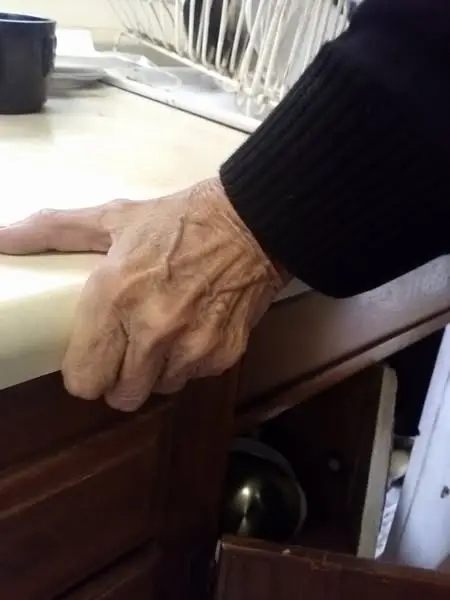
I Caught My Reflection in a Bakery Window Last March and Didn't Recognize the Way I Was Standing. I want to share what I've been doing the last few months, because my sister asked me about it on the phone last week and I realized I'd never said it out loud to anyone. I'm 62. I went through menopause at 51. The hot flashes faded after a couple of years. The sleep got mostly normal again. For about seven or eight years after that, I thought I'd come out the other side. I was teaching full-time then. Elementary school. Third grade, mostly. The kind of work that doesn't let you sit down for long stretches and doesn't let you be tired in front of the kids. I retired at 60. I picked up a few hours a week tutoring kids in reading. It keeps me in the work without the exhaustion of a full classroom. My husband Steve and I have been married 38 years. Two grown kids. Three grandchildren — six, four, and almost two. That's the bio. That's not really what I came to tell you. What I came to tell you started somewhere around my fifty-eighth birthday. It wasn't anything dramatic. It was a slow drift. I started getting cold in rooms other people weren't cold in. I started reading two fewer pages of my novel before falling asleep at night. I started suggesting we take the elevator at the movie theater instead of the stairs to the upper level — the same stairs I'd taken without thinking about for thirty years. I started telling my daughter, when she asked me to come along to the playground with the grandkids, that maybe next time. It was small. It was so small I didn't really see it as a pattern. I just thought: I'm 58, then I'm 59, then I'm 60, and this is what those numbers feel like. Last March I was downtown picking up a birthday cake for my husband. It was a Tuesday morning, gray and cold. The kind of late-winter day when the sidewalk is still salt-stained from the last snow. I walked from where I'd parked to the bakery — three blocks. It used to be a quick walk for me. That morning it felt like work. The bakery is in an old brick building with a big plate-glass window facing the street. I stopped in front of it to read the menu. And I caught my own reflection in the glass. For about three seconds I didn't recognize the woman I was looking at. She was leaning forward a little at the shoulders. Her hand was on the door handle the way you'd put your hand on a railing — to steady yourself, not to open something. Her chin was tucked down toward her collarbone. She looked tired in a way I hadn't realized I'd started to look. I stood there in front of that bakery window for what felt like a long minute. I straightened up. I rolled my shoulders back. I lifted my chin. I looked at the reflection again. That was the woman I was used to seeing. The one I'd just been looking at — the woman who'd been standing on that sidewalk three seconds earlier — was someone else. Someone who had been quietly taking over the way I held my body and I hadn't noticed. I bought the birthday cake. I drove home. I didn't tell Steve about the bakery window. I sat with it for a few days. I started paying attention. I noticed I was bracing the kitchen counter with one hand when I bent to get a pan out of the lower cabinet. I noticed I was sitting down on the bench in our front hall to put my boots on instead of leaning against the wall the way I had for thirty years. I noticed I was asking Steve to bring the groceries in from the car. I noticed I'd stopped pushing the grandkids on the backyard swing because the standing-and-pushing made my legs ache. None of it was a problem. All of it was something. I went to my doctor. Dr. Okafor has been my doctor for about nine years. She's a careful, unhurried woman. She listens. I told her the bakery window story. I told her about the bracing and the bench and the swing. I told her I wasn't depressed. I wasn't unhappy. I wasn't dealing with anything in particular. I was just slower and quieter than I used to be, and I'd seen myself standing differently in a bakery window and it had unsettled me. She listened the whole way through. She ran a comprehensive workup — full lipid panel, thyroid, vitamin D, B12, iron, blood sugar, cardiac markers. A week later she called me herself. She said: "Your bloodwork is fine. Vitamin D is on the low end of normal. Everything else is right where I'd want it for a woman your age." Then she said something I've been thinking about ever since. She said: "Linda, a lot of what you're describing is what we see in women who are ten or twelve years post-menopause. The estrogen that supported your cardiovascular system for decades has been gone for a while now, and the body has been adjusting to that. For some women that adjustment is smooth. For others it's a stretch of years where they feel slower and quieter and colder than they used to. It's not a disease. It's not a deficiency. It's a chapter of the body's life that doesn't have a single prescription answer." She talked about the foundation. Movement — keep walking, add a little resistance work if I could. Sleep — protect it. Sunlight when I could get it. Social connection. A thoughtful approach to what I was putting in my body — more vegetables, more antioxidant-rich food, plenty of water. She said: "If you want to add one thoughtful thing supplementally, I won't argue with it. Just call the office first so we can check for interactions. And don't expect a switch to flip. Expect a foundation to slowly hold you a little better." I thanked her. I drove home thinking about the word foundation. I'm not someone who jumps into supplements. I've watched my sister buy a bag full of pills from every health-food store she's ever walked into, and a month later they're under her bathroom sink and she's onto the next thing. I wanted to add one thing. One thoughtful thing. I sat with it for a few weeks. I did some reading. About a month after the bakery window, I went to breakfast with my friend Constance at the diner we've been meeting at every other Saturday for almost twenty years. I told her about the bakery window. About the bracing. About the swing. She listened the way Constance listens, which is over a cup of coffee with both hands wrapped around the mug. When I was done she set her coffee down. She said: "I want to tell you something, but I want you to know I'm not selling anything and I'm not promising anything." I said okay. She said her sister-in-law — a woman in her late sixties who'd been through a similar stretch of years — had added a beetroot supplement to her morning about a year ago with her doctor's approval. Constance's sister-in-law said it was part of what had helped her come back to herself. Not the whole thing. Part of it. Constance said the brand was something called Rosabella. A small farming community out in Lancaster County. She said she wasn't telling me to try it. She was telling me it was a thing her sister-in-law had done and felt good about, and she thought of me when I described the bakery window. I asked her to text me the name. She did. I went home that afternoon and did some reading. What I learned was that beetroot has been studied for decades for cardiovascular wellness and for supporting the body's antioxidant systems. The active compound is something called betalains — that deep crimson red pigment that stains your cutting board when you slice a beet. Betalains are one of the more potent antioxidants in the food supply, and they have a particular affinity for the cardiovascular system. They support the body's natural antioxidant balance. They support healthy circulation. They're part of the family of plant compounds researchers have been studying for their role in supporting cardiovascular wellness during the years after menopause, when the body's natural support systems shift. Beetroot is a structure-function ingredient, not a medication. It supports healthy cholesterol levels already within the normal range. It supports healthy circulation. It doesn't replace anything else you're doing — it works alongside it. That last part is what made me comfortable. I wasn't going to replace anything Dr. Okafor had recommended. I was going to add one thing to what I was already doing. Before I ordered, I called Dr. Okafor's office. I told the nurse what I was thinking. Told her the brand. Told her the dose on the bottle. Told her the only thing I take is a daily multivitamin and a low-dose vitamin D capsule. She talked to Dr. Okafor and called me back the next day. She said it was a sensible thing to add. No interactions to worry about. Have me mention it at my next visit. I ordered the bottle. When it arrived, I noticed the color of the capsules before anything else. A deep, almost-purple red. The reading I'd done explained why — Rosabella cold-presses their beets at low temperatures, which takes longer but preserves more of the betalains. That deep color is the visible marker of the active compound being intact. I set the bottle on my kitchen counter next to the coffeemaker. The next morning I put one capsule on the saucer next to my mug and took it with my first sip. I'm not going to tell you something happened in seventeen minutes. I don't think these things work like a switch flipping. What I will tell you is what I noticed over the next couple of months. The first thing was small. I caught myself, about three weeks in, carrying both bags of groceries into the house from the car in one trip instead of two. I didn't decide to do it. I just did it. I was already standing on the porch with both bags before I realized I hadn't asked Steve to come help. The second thing was the bench in our front hall. I started putting my boots on standing up again. Leaning against the wall, the way I used to. I didn't realize I'd stopped using the bench until I stopped using it. The third thing was the swing. I was at my daughter's house in June for a Sunday afternoon and my six-year-old grandson asked me to push him on the swing. I pushed him for almost ten minutes. My legs didn't ache. I came inside and sat at my daughter's kitchen island and drank a glass of water and felt the kind of pleasant tiredness you feel when you've done something physical instead of the kind of bone-deep tiredness I'd gotten used to. About four months in, I caught my reflection in a different window. This one was the window of a flower shop on the same downtown street as the bakery. I was walking past it on a Saturday morning to pick up something for Steve. I stopped in front of the glass. I looked at the woman in the reflection. Her shoulders were back. Her chin was up. Her hand wasn't on a railing. She looked like me. I stood there for a second and I'll tell you the truth — my eyes filled up. I'd thought the woman I'd seen in the bakery window in March was the woman I was now. She wasn't. She'd been a woman who'd been quietly slipping for a few years and I'd let her, and I'd assumed she was the new normal. She wasn't the new normal. She was the bottom of a stretch I'd been in. I walked into the flower shop and bought a small bunch of tulips and walked back to my car and drove home and didn't say anything to Steve about it. Some things you keep for yourself for a while before you say them out loud. At my next appointment with Dr. Okafor, my bloodwork was the same as it had been in March. Good. Where she wanted it. She didn't change anything. She didn't put me on a prescription. She asked me how I'd been feeling. I told her. The groceries. The boots. The swing. The flower shop window. I mentioned the beetroot. Same brand, same dose, every morning. She nodded. She said it sounded like a reasonable addition and she was glad I'd called the office before I started it. She said: "Linda, whatever combination of things you've been doing — the walking, the supplement, paying closer attention to your sleep and your water and your vegetables — keep doing it. The foundation is holding you." That was about two months ago. I want to be careful about what I'm claiming. I don't know how much of my coming back is the beetroot. I don't know how much is the resistance work I started doing with two-pound dumbbells in my living room a few times a week. I don't know how much is the better attention I started paying to my water and my vegetables. I don't know how much is the fact that I finally told my doctor the truth about how I'd been feeling and stopped pretending it was nothing. It's probably all of it together. Bodies are different and lives are different and I can't tell you that what worked for me would work for anyone else. What I can tell you is what I did. I stopped explaining away what I was noticing about myself. I told my doctor. I let her run the bloodwork to rule out anything specific. I listened when she said the answer wasn't a prescription but a foundation. I added the things she asked me to add — sleep, movement, water, vegetables, one thoughtful supplemental thing. I called the office before I added the supplement. I waited for the doctor's approval. I added the supplement to what I was already doing — not in place of anything. If you've been in a similar stretch — you're a decade or so past menopause, your numbers are fine, your doctor is happy with you, and yet you've been slowly getting colder and quieter and more tired than you used to be — it might be worth a conversation. Not a prescription conversation. A foundation conversation. What are you protecting in your sleep? What movement are you doing? What are you putting in your body? Is there one thoughtful thing you'd want to add, with your doctor's input? That conversation is what got me here. Talk to your doctor or pharmacist before adding any new supplement, especially if you're on medication for blood pressure or cardiovascular health. That one phone call is what made me comfortable starting, and it's what I'd tell anyone else to do first. The brand I used is Rosabella. 1,300 milligrams per capsule, cold-pressed at low temperatures, grown in Lancaster County. One capsule with a glass of water in the morning. That's the whole thing. P.S. Constance and I had breakfast at the diner two weekends ago. I told her about the flower shop window. She didn't say anything for a few seconds. Then she said: "I'm glad. I wasn't sure if I should have told you about it at all that morning. I didn't want to push." I told her she hadn't pushed. She'd offered. There's a difference. The women I trust most in my life are the ones who know the difference. P.P.S. Rosabella has a 90-day money-back guarantee. If you're not satisfied for any reason, every penny back. No questions asked. I think that's a sensible policy for a supplement — it gives you time to actually see whether it does anything for you. I'd give it a few weeks at minimum. Bodies are different. Some people notice something within the first week or two. Others take longer. P.P.P.S. I keep an extra bottle in the house just in case. They're a small operation and the harvest is once a year, so the bottling can run on its own schedule. P.P.P.P.S. Here's what I'd tell you to do. Call your doctor's office first. Tell them exactly what you're thinking and exactly what you're on. Wait for the callback. If the doctor approves, put one capsule on the saucer next to your morning coffee mug. Don't change anything else without your doctor's input. Give it a few weeks before you decide anything. And in the meantime — protect your sleep. Drink your water. Walk. Lift something heavier than your coffee cup a few times a week. Stand up straight when you catch yourself in a window. The bottle isn't the whole foundation. It's one piece of it. P.P.P.P.P.S. My daughter had us over for dinner last Sunday. After we ate I went out to the backyard with my grandson and we kicked a soccer ball around for about twenty minutes. I was the goalie. He scored on me probably fifteen times. I was sweating and laughing and my hair was a mess. My daughter came to the back door at one point and watched us. When I came inside she didn't say anything. She just hugged me longer than usual. There are moments where the people who love you tell you they've noticed the difference without using any words. That was one of them. https://track.tryrosabella.com/feb71eaf-4594-4b50-b39e-f5e5eeea7537 Individual experiences vary. These statements have not been evaluated by the FDA. This product is not intended to diagnose, treat, cure, or prevent any disease.

InactiveJun 29, 26
Feel Like Yourself Again

alevia.com

Feel Like Yourself Again

Learn more

The phone rang at 2:47 in the morning and I knew before I picked it up. You know that thing your body does. That cold thing in your chest before your brain has caught up. I knew. I just didn't know what yet. It was Memorial Hospital. A woman named Patricia who I will remember for the rest of my life because she said my name three times before I could form a sentence. Mrs. Vega. Mrs. Vega. Mrs. Vega. Your husband was brought in by ambulance about an hour ago. He's stable. We need you to come down. I asked her what happened. She said the words "hypertensive event" and I said okay even though I didn't know what that meant. I'd been a dental hygienist for 22 years. I cleaned teeth. I didn't know what a hypertensive event was. I just knew it had a word for it and that meant it was real. I drove from our house in Mesa to the hospital in 14 minutes. The speed limit is 45. I don't remember a single light. I don't remember my hands on the steering wheel. I remember pulling into the visitor parking lot and sitting in the car for 30 seconds because I couldn't make my legs work. His name is Daniel. We've been married 28 years. I'm going to tell you what happened that night and what happened in the 6 weeks after, because I made a promise to myself sitting in a hospital chair at 4 in the morning that if my husband came home alive I was going to tell other women what nobody told me. And he came home alive. So here I am. Typing this on a Sunday afternoon while he's outside in the garage doing something with the lawnmower. My name is Diana. I'm 54 years old. I clean teeth at a small dental practice off Southern Avenue. I have two grown sons, one in Tucson and one in Reno, and a granddaughter named Mia who is 4 and calls me Nana with two syllables, like Na Na. I've lived in Mesa, Arizona for 31 years. My husband Daniel sells commercial real estate. He drinks too much coffee. He used to smoke and quit in 2009. He grew up in a small town in New Mexico and he says yes ma'am to women in their 70s the way his mother taught him to. He turned 56 in February. I'm going to back up because I want to tell this right. Daniel had been off for a while. I don't know how long exactly. That's the part that haunts me. You live with somebody for 28 years and you don't notice the thing changing because you see them every day and the change is slow. He'd been getting headaches. He told me about them in November. Said they came on around 4 in the afternoon and felt like a band tightening across the back of his head. I told him to drink more water. He laughed and said he drinks a gallon a day. I told him to go to the doctor. He said he had an appointment in January for his physical and he'd bring it up then. January came. He went. He told me his blood pressure was a little elevated. The doctor wanted him to lose 10 pounds and watch his salt and come back in 6 months. That was January. The phone rang in March. In between January and March, this is what I noticed and didn't say anything about. He started waking up in the middle of the night to pee. Not unusual for a 56 year old man, I told myself. He was getting winded walking from the parking lot to his office building. The building has 18 stairs. He used to take them two at a time. By February he was taking the elevator and lying about it. He started skipping his Saturday morning bike ride with his friend Greg. He told Greg he was busy. He wasn't busy. He was sitting on our patio drinking coffee and looking out at the yard. His face had been a little puffy. His ankles had been a little swollen at night. He told me one Sunday in February that he felt "weird" and I asked what kind of weird and he said "just weird" and we changed the subject. I want you to understand something. I am not a stupid woman. I work in healthcare. I knew what those things meant. I just didn't put them together because he's my husband and I love him and you don't always want to see what you're seeing. The night it happened, Daniel had gone to bed at 10:15. I'd stayed up to finish a book. I went to bed around 11:30. He was already asleep. I noticed his breathing sounded heavier than usual but I told myself I was being paranoid. At 1:42 AM I woke up because he was sitting up in bed. I asked if he was okay. He said his head was hurting and he was going to take some Tylenol. He got up. I heard the bathroom faucet. I heard the medicine cabinet. Then I heard him say my name in a voice I'd never heard before. "Diana. Something's wrong." I got out of bed. He was sitting on the edge of the bathtub. His face was grey. Not pale. Grey. The color of wet cement. He was sweating through his t-shirt. His hands were shaking. I called 911 from the bathroom floor. The paramedics took 9 minutes. I let them in. They put him on a stretcher. One of them asked me what medications he was on and I said none, he doesn't take any medications, and the paramedic looked at me like I'd given the wrong answer. His blood pressure when they got there was 217 over 124. I rode in the back of the ambulance. I held his foot through the blanket because I couldn't reach his hand. I kept saying his name. He kept saying mine. At the hospital they took him back. I sat in the waiting room. A woman came out at 2:47 AM and that's when she called me. She was a nurse. She said he was stable. She said he hadn't had a stroke or a heart attack but he'd been very close to having one or the other. She said the word "hypertensive crisis" and explained it to me like I was a child, which I appreciated, because at 2:47 in the morning I needed to be talked to like a child. She said his blood pressure when he came in was higher than they liked to see. She said they'd brought it down and he was responding well to medication. She said I could see him in about an hour. I sat in a chair in the hallway and I called both of my sons. The one in Tucson answered on the second ring. The one in Reno answered on the fourth. I tried to be calm. I wasn't calm. At 4:15 AM they let me into his room. He was lying in a hospital bed in a gown. There were wires coming out of him in 6 different places. His face was less grey but his eyes were tired in a way I'd never seen them. He looked at me and he said, "I'm sorry, baby." I want to tell you what he said next because I think about it every single day. He said, "I knew. I knew something was wrong. I just didn't want to know." I sat down in the chair next to his bed and I held his hand and I didn't say anything for a long time. Because I knew too. I'd known since November. I'd known and I hadn't pushed. I'd let him not go back to the doctor. I'd let him not bring up the headaches when his number was elevated. I'd let him take the elevator and pretended I didn't notice. I'd let him because I was scared. Same as him. They kept him for 3 days. They sent him home with three new prescriptions and a sheet of paper with diet recommendations on it that we both knew he wasn't going to follow. They told him to come back in 2 weeks. That's when the second part of this story starts. Daniel went back to work after a week. He didn't want to. His boss told him to take more time. Daniel said he'd go crazy sitting in the house. He was right. He would have. He's not built for stillness. He started taking the medications. Lisinopril for the blood pressure. Hydrochlorothiazide which is a water pill. Amlodipine which I'd never heard of. He took them every morning with a glass of water and he didn't complain. The medications brought his number down. Within a week his readings at home were 134 over 86. The doctor said that was a huge improvement. The doctor was happy. Daniel was not happy. He was tired all the time. The kind of tired where he came home from work at 5:30 and sat on the couch and didn't move until I put a plate in front of him. He started having a dry cough that wouldn't go away. The water pill made him pee 8 times a day, which doesn't sound like a big deal until you're a grown man in a real estate office trying to sit through a closing. His feet got cold. His hands got cold. I'd reach for his hand at night and it would be cold the way feet are when they've been outside in winter. He said one night, "I'm alive, but I don't feel alive." We were sitting on the patio. It was the first week of April. The mountains looked purple the way they do in Mesa at sunset. He said it without drama. He said it like he was reporting weather. I didn't sleep that night. I went into the kitchen at 1 in the morning and I sat at the counter with my laptop and I started reading. I want to tell you what I read because I think it matters. I wasn't looking for an alternative to his medication. I was looking for something that might support what his medication was doing without taking more from him than it had already taken. He was already on three pills. Each pill came with side effects. Each side effect was making him feel less like himself. I'd watched a man I'd known for 28 years collapse in 2 hours and then I'd watched the medications that saved his life slowly drain something else out of him. There had to be more to the story than that. I started reading about blood pressure. Why it goes up. What's actually happening in the body. The doctor at the hospital had used the words "vascular health" and I'd nodded but I didn't really know what that meant. Here's what I learned, in plain language. Your blood vessels are not just plumbing. They're alive. The inside of your blood vessels is a thin layer of cells called the endothelium and that layer is supposed to flex and dilate and respond to what your body needs at any given moment. When you're exercising it should let more blood through. When you're resting it should relax. When you're under stress it should manage the pressure without staying clamped down. When your endothelium isn't healthy, it stops doing those things well. It gets stiff. It gets inflamed. It can't dilate the way it's supposed to. And your heart has to push harder to move blood through it. That's what high blood pressure actually is. It's not just a number. It's a sign that the inside of your blood vessels isn't working the way it should. Medications can help bring the number down. They do it by relaxing your vessels chemically, or by reducing the volume of fluid in your body, or by slowing your heart rate. They work. Daniel's medications worked. He was alive because of them. But what they don't do is repair the underlying issue. They manage the number. They don't address what's making the number go up in the first place. That's when I started reading about Amla. I'd never heard the word. Amla. It's a small green fruit that grows on trees in India. The English name is Indian gooseberry. People have been using it as food and medicine in South Asia for over 3,000 years. What got my attention was a study I read where researchers had given Amla extract to people with metabolic syndrome and watched what happened to their endothelial function over 12 weeks. The reflection index, which is a measure of how well your blood vessels are working, improved. Their nitric oxide levels went up. Nitric oxide is what your blood vessels use to dilate. Their inflammation markers went down. Their blood pressure responded. I read for 4 hours. I read studies. I read summaries of studies. I read medical journal articles I had no business reading at 1 in the morning. And what I kept finding was that Amla seemed to support the very things Daniel's medications couldn't address. The vessel health itself. The inflammation underneath the number. The oxidative stress that ages blood vessels faster than the calendar should. I want to be clear with you. I am not a doctor. Daniel is on medication and he's staying on medication. I'm not telling anyone to throw away their prescription. I'm not telling you Amla is a cure. I'm telling you what I read and what I decided to try because I couldn't keep watching my husband sit on the couch with cold hands feeling not alive. I ordered Alevia Amla on a Wednesday. I'm going to tell you why I picked Alevia because I looked at a lot of options. There was cheap Amla powder on Amazon. There were random brands with ingredient lists that worried me. Alevia uses the form of the fruit that's been studied in actual human research, in a dose that lines up with the studies. The bottle has a 90 day money back guarantee. That mattered to me because I'd just spent $4,800 on a hospital bill and I wasn't going to throw money at something that might be nothing. The bottle came on Friday. I gave Daniel the first capsule on Saturday morning at 7:30 AM with his other medications and his coffee. I didn't make a big deal out of it. I just said, "Try this for me." He said, "What is it?" I said, "It's a fruit. It's been around for 3,000 years. I read about it. Just take it." He looked at me for a second. Then he took it. Because he loves me. The first 2 weeks I didn't notice anything. I checked his blood pressure every morning the way the doctor had asked us to. The numbers were the same as they'd been on the medication. 132. 128. 134. Steady but unchanged. Day 17 was when I noticed his hands. I reached for his hand on the couch and it was warm. Just warm. Like a normal person's hand. He didn't notice. I did. I held it for a minute and then I let it go and I didn't say anything because I didn't want to jinx it. Day 24 was when he came home from work and walked the dog before dinner. He hadn't done that in 6 months. He hadn't done it on his medication. He just did it. Came in the door, said hi, picked up the leash, took Bandit out. Walked him for 20 minutes. Came back. Made himself a sandwich. Day 31 was when his cough went away. Not gradually. It was just gone one Saturday and I noticed because I realized I hadn't heard it that morning. Day 40 was when he asked me if we wanted to drive up to Sedona for a weekend. Day 51 he went back to his Saturday bike rides with Greg. His blood pressure on day 60 was 122 over 78. The doctor was surprised. The doctor asked if he'd been changing anything. Daniel told him about the Amla. The doctor was careful but not dismissive. He said we'd watch the numbers. He said if they stayed where they were he'd consider lowering one of the medications at the next visit. I want to be careful here. We are still 6 weeks into this. Daniel is still on all three medications. Nobody is reversing anything and nobody is calling this a cure. What I'm telling you is that my husband stopped feeling like a man whose battery was disconnected and started feeling like himself again. That's the only claim I'm making. He showed up to Mia's preschool spring program two weeks ago. He played horsey with her on the floor of our living room afterward. I watched him from the kitchen doorway and I cried into a dishtowel because there was a stretch of about 8 weeks where I genuinely didn't know if my granddaughter was going to remember him. I made a promise to myself in a hospital chair at 4 in the morning that if he came home I would tell other women what nobody told me. So here it is. If you're a woman my age and your husband has been "off" for a while and you've been telling yourself it's nothing, please don't wait for the phone call at 2:47. Take him to the doctor. Push him. Be a pest. Be the wife he resents for two weeks because she made him go in. And after the doctor, after the medications, after the moment when the number comes down but the man you married is still missing, please look at what's actually happening underneath the number. Read about Amla. Read about endothelial function. Read about what a fruit that's been used for 3,000 years has been associated with in human research. I'm not selling you anything except a story. The product I trust is Alevia Amla. The 90 day money back guarantee is what made me click the order button at 5 in the morning when I was scared. If it doesn't work for your husband, you send it back. That's the deal. That's the only fair deal. Daniel is in the garage right now. He's been out there for 2 hours doing something with the lawnmower. I can hear him whistling through the kitchen window. He hadn't whistled in about a year and I didn't notice it was missing until it came back. I want every woman reading this to hear her husband whistle again. P.S. The cardiologist told us at our last visit that endothelial function is one of the most under appreciated parts of cardiovascular health. He said most patients only ever hear about cholesterol and blood pressure, but the inside of the vessels is where the actual story happens. That's what Amla is associated with supporting. The story underneath the numbers. P.P.S. The 90 day money back guarantee is real. I called Alevia myself before I ordered because I wanted to hear a person say it. They picked up. The woman on the phone told me that if any customer doesn't see what they hoped for in 90 days, they refund the full purchase. No restocking fee. No questions. I'd never had a supplement company stand behind their product like that. P.P.P.S. Daniel doesn't know I'm writing this. He'll see it eventually. He's going to be a little embarrassed and a lot grateful. He's a private man and this isn't the kind of thing he'd want shared. But I made a promise in that hospital chair, and I keep my promises. P.P.P.P.S. If you're the husband reading this over your wife's shoulder, please listen to her. If she's worried, she's worried for a reason. Don't make her wait for the ambulance. 👉 https://alevia.com/amla/33

InactiveJun 27, 26
Half of Women Stop Their Statins. Here's What Your GP Isn't Telling You About W…

elvarim.com

Half of Women Stop Their Statins. Here's What Your GP Isn't Telling You About Why

Learn more

Nearly half of British women put on statins stop taking them within a year. This is what I did in the six months before I would have been one of them. Nearly half of the women I know who have been prescribed statins in the last five years are no longer taking them. Not because they have decided their hearts do not matter. Because the side effects their GP gently warned them about turned out to be anything but gentle — muscle ache that keeps them awake at night, a fatigue that sits on the afternoon like a damp cloth, a slow sense that something inside them is not quite running right anymore. That is not me exaggerating. The research backs it up. Roughly half of patients started on a statin stop within the first year, and women report the side effects at noticeably higher rates than men do. It is one of the quietest failure rates in British cardiology, and almost nobody has the conversation about it until they are already on the pill and struggling. I was 56, two weeks out from starting one myself. What I did instead, in the six months my GP gave me to try, is the reason I am writing this page. My name is Linda. I am 58. I live just outside Harrogate. I spent thirty-one years as a primary school teacher. I have one husband who still does not know how to load the dishwasher properly. Two grown daughters. One granddaughter who thinks I am a slightly rubbish baker but a good reader-of-stories. I am writing this because I want to tell you about my older sister Carol first. Because if I do not tell you about her, none of the rest of this is going to make sense. Carol is four years older than me. She used to grow roses in every corner of her back garden. She hosted Christmas for fifteen people without breaking a sweat. She was the one who taught me how to drive, how to argue with a plumber, how to push back on a doctor when something felt off. She was started on atorvastatin at 54. Total cholesterol around 6.2. LDL in the high 3s. Her GP told her it was routine. Six weeks in, the calf cramps started waking her at 2am. Her GP said muscle symptoms happen, mentioned magnesium, did not change anything. Six months in, she could not finish a flight of stairs without holding the banister halfway up. A year in, she gave up the garden. Twenty years of roses. She told me she just did not have it in her hands or her back anymore. Two years in, she stopped reading novels. She said the words slid off the page. She would read the same paragraph four times and still not have it. Her chart, the whole time, looked tidy. LDL down. GP pleased. Fifteen-minute review every twelve months, prescription renewed, see you next year. The last time I sat in her kitchen — about three months before my own bloods came back — she said, "Linda, I don't feel like myself. I haven't for a long time." She was 58. She looked 70. That was the conversation sitting in the back of my head when my GP turned her monitor around and said the word. When I went through menopause at 52, my cholesterol was 4.6. LDL around 2.7. Fine numbers. Boring numbers. The kind you forget about on the way out of the surgery. Four years later, at my NHS Health Check, my total came back at 6.8. LDL at 4.4. Triglycerides up. Statins. I asked for six months. I wanted to see what I could do first. I told my GP what I had watched happen to my sister. She softened. "Six months," she said. "Then we talk again." Here is what I tried, because I am stubborn and I read too much. Mediterranean diet — properly, not the Waitrose-olive-oil version. Oily fish three times a week. Porridge every morning with ground flaxseed. Plant sterol spread. A Benecol yoghurt drink daily. I cut biscuits almost entirely, which nearly broke me. I walked five miles a day with my neighbour Pauline. I did two Pilates classes a week at the village hall. Five months in, I went for my retest. Total cholesterol: 6.5. LDL: 4.2. I had shifted the needle by 0.2. That was it. I sat in the surgery car park afterwards and I cried. Not from sadness. From the quiet certainty that I had done every single thing they had told me to do, for five months, and the only thing waiting on the other side was the same prescription that had hollowed my sister out. There were other things bothering me by then too. My hands and feet were colder than they used to be, even in summer. I was getting cramp in my left calf on the longer walks. Stairs felt heavier. Not harder. Heavier. Like something small was missing from the engine. I had assumed those were just signs of being in my late fifties. They were not. I would find out later what they actually were. The shift came from somewhere I did not see coming. A woman named Dr. Jane Bellingham gave a talk at a U3A meeting Pauline dragged me to in October. Retired cardiologist, spent her career at one of the Leeds teaching hospitals. The talk was meant to be about "ageing well." What it turned into was forty minutes that made me feel like I had been lied to for thirty years. She said the number my GP was watching — total LDL — is not the number that does the damage to your arteries. The damage happens when LDL becomes oxidised. That is when it slips into the artery wall, triggers inflammation, and starts building the plaque that narrows the pipes. Bring down the oxidation. Support the lining of the blood vessels — the endothelium. And the picture changes. The LDL number tends to come down on its own. The circulation improves. The arteries start behaving younger than their age instead of older. Statins do not address oxidation. They do not repair the endothelium. They switch off the liver enzyme that produces cholesterol, drag the LDL number down on the chart, and let the underlying mechanism keep grinding away underneath. That is why my sister's chart looked controlled for two years while she could not garden anymore. I sat in that folding chair at the village hall and I felt something tighten in my chest. Not panic. Anger. Then Dr. Bellingham said the line that made me actually pull out my phone and start typing. "There is one supplement with enough randomised controlled trial data behind it that I genuinely recommend it to my own family. And it is not what any of you are going to guess." She said aged garlic extract. Not a clove of garlic on your toast. Not the pungent capsules from the health food shop. Aged garlic extract — the specific kind cured for a long stretch of time in a controlled environment, until the harsh compounds are gone and a stable, water-soluble compound called S-allyl cysteine has developed. She talked about a cardiologist at UCLA named Matthew Budoff who had run four randomised trials on it. Measurable slowing of coronary calcium build-up. Improvements in arterial stiffness. LDL coming down. Real movement in blood pressure. She mentioned Karin Ried's work out of Australia. I went home and spent three evenings on PubMed. Not glossy websites. Actual papers. She was right. The trial data is there, and it is specifically on aged garlic extract, not the ordinary sort. And I will tell you what I figured out around midnight on the third evening. The reason I had never heard about this in any GP appointment, anywhere, in eighteen years of going to the surgery, is that you cannot patent garlic. There is no rep walking into a GP practice with a pen and a glossy folder on it. No quarterly bonus structure attached to a clove of garlic that has been sitting in a curing room for twenty months. A compound with this much trial data behind it should be in every cardiology conversation a GP has with a woman over fifty. It is in almost none of them. I will be honest about what I did next, because I think most women would do the same thing. I walked into Holland & Barrett and bought the cheapest garlic capsules on the shelf. 1,000mg, plenty of "allicin potential," the label told me. Six weeks later my LDL came back at 4.1. Basically nothing. Back to the research. The mistake was obvious once I saw it. Allicin is unstable. It breaks down in your stomach before it reaches your bloodstream. The ageing process is what converts it into S-allyl cysteine, which is stable, water-soluble, and actually survives. Without the ageing step, you are paying for garlic breath. The dose matters too. The trials that showed real cardiovascular effects used the equivalent of 2,400 to 7,200mg of aged extract daily, standardised for SAC. Most high-street bottles contain a fraction of that and do not print the SAC content anywhere on the label. You were not failing. You were taking the wrong product. I came across Elvarim through a woman in a menopause forum I occasionally read. British brand. Small operation. She had posted her before-and-after bloods on a proper GP letterhead, and the comment thread underneath was genuine — other women posting their own results, arguing about dosing, the usual. What sold me was their sourcing page. Their garlic is aged for twenty months — not the three or six months most brands quietly do. Each softgel is standardised for a guaranteed S-allyl cysteine content, printed on the bottle. The extract is suspended in MCT oil from coconut, because the researchers showed the active compounds absorb significantly better with a lipid carrier. Third-party tested. GMP certified. Full paperwork available on request. Every detail I would have checked, they had already addressed. I ordered a three-month supply. Two softgels with breakfast. I did not tell my GP. I did not tell my husband. I did not even tell Carol. I wanted to see what the number did without anyone else's opinion in the room. The first thing I noticed was not my cholesterol. It was my hands. About nine days in, I was washing up after Sunday lunch and realised my fingers were warm. Not "I've been in hot water" warm. Just — warm, at rest. The low-level chill I had been carrying for two years had gone. Pauline noticed it on our walk the following week. I was keeping up on the hill that usually left me puffing. Then small things kept stacking up. I slept through the night for the first time in months at the end of week three. Not the broken, surfacing-every-two-hours sleep I had grown used to. Proper sleep. I stopped reaching for the second cup of tea at three in the afternoon to make it through to dinner. The cramp in my left calf, which I had stopped mentioning to anyone because I was tired of hearing "well, you are not twenty anymore" — it went. At the six-week mark I booked a private bloods test at a local clinic because I could not wait for my NHS retest in February. Total cholesterol: 5.7. LDL: 3.4. Triglycerides down meaningfully. My ratios had shifted the way the research said they would. Three months in I went back to my GP for the scheduled retest. Total cholesterol: 5.3. LDL: 3.1. HDL slightly up. Triglycerides in range. Blood pressure 128 over 79, down from 142 over 88. She looked at the screen. Then at me. Then at the screen again. "Margaret. What have you been doing?" I told her. All of it. The talk. The research. The product. I watched her write "aged garlic extract 20-month cure" in her notes, which I did not expect. "I am not prescribing the statin today," she said. "We will retest in three months. Keep doing whatever this is." I sat in the car park afterwards for ten minutes before I drove home. Not crying this time. Just sitting. I called Carol that night. I told her everything. The talk. The PubMed papers. The product. The numbers. She was quiet for a long time. Then she said, "Linda. Why is none of this in any GP's office?" I did not have a good answer. She started on Elvarim the following week, alongside her atorvastatin. She is six weeks in now. The calf cramping has stopped. She walked the length of her own road last Sunday without holding onto anything. Her next bloods are in six weeks and I will not pretend to know what they are going to say. But she sounded like my sister on the phone last night. Not like the version of her I had been talking to for two years. That is the bit I want you to take from this, if you take anything. If you are being offered a statin and you want to try something else first, do not do what I did at Holland & Barrett. Do not buy a 1,000mg garlic capsule with "allicin yield" on the label and assume that is what was studied. It is not. That product and the one used in the trials are essentially different substances. You want aged garlic extract with a verified S-allyl cysteine content, aged long enough to have properly developed, at a dose that matches the research — not a token amount. Elvarim is the only UK brand I have found that meets all three on the bottle. The softgel I take delivers the equivalent of 7,200mg of aged extract with the SAC content actually printed. Twenty-month cure. MCT oil carrier. Independently tested, batch by batch. Two softgels with breakfast. No garlic taste. No smell. No burps. They offer a ninety-day guarantee. I think that is fair, because ninety days is honestly how long you need to see what your bloods are doing. My circulation shifted in the first fortnight. My sleep deepened in week three. The cholesterol movement showed up on paper at six weeks and was more pronounced at twelve. If the numbers do not move for you, you send it back. No argument. I am not telling anyone to refuse a statin or stop one they are on. That is a conversation for you and your GP, and my GP and I had ours with all the cards on the table. If your risk profile means statins are right for you, take them. But if you are where I was — not yet on the medication, numbers creeping the wrong way, your GP watching the calendar, your sister or your mother already on the pills and not the same person she used to be — then ninety days is worth it. I wish I had known at 52 what I know at 58. I would have started earlier. I would have called Carol four years sooner. This is the one I take: 👉 https://elvarim.com/products/aged-garlic-extract-7500mg-odorless-softgels — Linda

InactiveJun 27, 26
92 Nutrients In 2 Daily Capsules
Video

vitaleaf.store

92 Nutrients In 2 Daily Capsules

Order now

Why take 7 different vitamins when 2 capsules can do it all? 🌿 Vita Leaf Moringa packs 92+ nutrients & 46 antioxidants into one clean, plant-based capsule — sourced from one of the most nutrient-dense plants on Earth. 🌿 Complete plant protein (9 essential amino acids) ☀️ Supports steady energy — no caffeine, no crash 🛡️ Supports immune & antioxidant defense ✨ Supports skin, hair & vitality 🏆 Over 1 million bottles sold ⚠️ July 4th Sale: Get your 1st month FREE — limited time only. 👉 Tap "Shop Now" to start your moringa journey today. 🌱 Not intended to diagnose, treat, cure, or prevent any disease.

Track SakuraGlow and get alerts for new ads

Create a free account to follow brands, save ads and search the full library.