PixelSpyer

Richard Coleman ad: Your Job Did This. Not Your Age.

Your Job Did This. Not Your Age.
Richard Coleman

Auto Service, 552 followers, 12 ads in library

InactiveHealth & SupplementsImageLibrary ID 1670051000871269
Launched Jun 26, 2026Run time unknown

New ads are still being tested; watch whether it survives past 30 days.

Ad copy

Your Job Did This. Not Your Age.

I'm Richard Coleman. Retired OTR truck driver. Thirty-one years over the road. And what I'm about to tell you is something I wish somebody had said to me ten years ago — before the morning hacking, before the shortness of breath walking to my own mailbox, before my wife Carol started watching me climb the stairs the way you watch someone you're quietly worried about but don't want to say anything to yet. I never smoked. Not once in my life. So why do my lungs sound like I did? I started driving at 23. Long haul. Midwest to the coasts, coasts back to the Midwest, repeat until your body stops keeping track of time zones. Thirty-one years of diesel engines, loading docks, truck stop idling, and cab air that wasn't always what it should have been. You don't think about what you're breathing when you're driving. You think about the load. You think about the weather. You think about making the delivery window so the dispatcher stops blowing up your phone. You think about getting home before the kids go to sleep on a Friday. But the cab fills up with diesel exhaust every time you idle. Every truck stop where the engine runs while you sleep. Every loading dock where you're sitting in line with twenty other rigs. Every stretch of interstate where the ventilation isn't pulling the way it should. You breathe it because that's the job. Because nobody told you that thirty years of diesel particulates had a cumulative cost that wouldn't show up until you were past sixty and couldn't explain it to your doctor. I never smoked. I stayed in reasonable shape. I watched what I ate the best a man can when he's living on truck stop food for weeks at a time. So when the breathing stuff started — slow, easy to dismiss, easy to explain away — I did exactly what any man in my position would do. I blamed getting older. That's the story that makes sense, right? You're 58 years old. You get winded walking across a parking lot that never used to bother you. You wake up every morning with your chest full of something that takes twenty minutes of hacking and clearing before you feel anything close to normal. You're coughing at the dinner table, coughing at 2am until Carol asks from the other side of the bed if you're okay. That's just age. That's what happens to a man your age who spent thirty years sitting down for a living. Except I couldn't make that explanation sit right. No matter how many times I told it to myself. My father smoked two packs a day for forty years. I watched him slow down in his late fifties — the same winded feeling on stairs, the same tight chest in the mornings, the same cough that followed him everywhere. I watched what that did to him over the next ten years. I watched him go from the man who could fix anything to the man we had to drive places because he couldn't trust his own breath on a bad day. And I swore — I genuinely swore — that wasn't going to be me. Because I never touched a cigarette. So how does a man who never smoked end up with the same morning cough as a man who smoked two packs a day for four decades? I went to my doctor. He said it was normal aging. Gave me an inhaler for the bad mornings and told me to come back in six months. I went home and accepted that. But I kept coming back to the same thought at night: my father smoked his whole adult life. I never did. We have the same cough. That doesn't add up. That cannot be the whole story. I just didn't know what the rest of the story was yet. Until Gary called me. --- Gary drove for the same company I did for fourteen years. Same routes, same rigs, same thirty-plus years of diesel cab air. Gary is not a supplement person. I want to be clear about that. This is a man who told me once — completely seriously — that the entire health supplement industry existed for one purpose: to take money from people who were scared and give them something to believe in. He wouldn't take a multivitamin if you put it in front of him. So when Gary called me last October and said he needed to tell me about something he'd been taking for his breathing, I thought he was setting up a joke. "I know exactly how this sounds," he said. "Just don't hang up." I didn't hang up. He told me his mornings had become something he dreaded. The congestion, the hacking, the chest that felt like something was pressing down on it before he even sat up in bed. He'd gone to his doctor. Got an inhaler — same as me. Helped on the worst mornings but didn't touch the underlying heaviness that had been building for years. His daughter had found some mullein tea online. He tried it for three weeks. Did absolutely nothing. He was starting to accept that this was simply what the rest of his life was going to feel like. Then his neighbor — a retired pipefitter, never smoked, thirty-five years of chemical fumes and welding smoke — mentioned something he'd been using. A liquid respiratory support formula. Wildcrafted. Sublingual drops. Gary said it sat on his kitchen counter for three weeks before he opened it because he felt ridiculous having bought it. "I felt like I'd fallen for something," he said. But he took it. And six weeks later he called me. "Third day," Gary said. "I started bringing up stuff I didn't know was in there. Dark. Thick. The color of old motor oil. I thought something was actually wrong with me." He went to his doctor. His doctor told him it was deep-layer mucus. Old accumulation. The kind that builds up in the lower airways over years of occupational exposure and doesn't respond to coughing, inhalers, or anything you can buy over a pharmacy counter. He said he almost never sees patients bring that layer up on their own. He asked Gary what he was taking and wrote it down. By the end of week two, Gary's morning routine — thirty minutes of hacking and clearing — was down to five minutes. By week three, he slept through the night. Full night. First time in over a year. "I still have the same lungs I was born with," Gary said. "I'm not telling you this fixed anything permanent. But the buildup — the junk sitting in there from thirty years on the road — it's moving. My mornings are different." Then he said something that stayed with me. "You know what I keep thinking about? Sandra having to do everything herself. I keep thinking about what that was going to look like in five years." Sandra is Gary's wife. And what Gary was describing — the thing underneath the breathing problem — was the same thing that had been sitting in the back of my mind for two years without me ever saying it out loud. I didn't want to become the man Carol had to manage. The man my kids worried about at family dinners. The man who couldn't be counted on to be himself anymore. I'd watched my father become that man. I'd watched what it cost him. And what it cost the people around him. That was the real fear. Not the cough. Not the shortness of breath. The loss of being the man I'd always been to the people who needed me to be that man. I told Gary it was probably placebo. He said: "Order it. Try it yourself. Then call me back." --- I almost didn't. Three weeks I sat on it. Three weeks of telling myself I wasn't the kind of man who bought things off Facebook. Three weeks of getting up every morning and spending twenty-five minutes clearing my chest before I could face the day. But Gary's voice kept bothering me. Not because he was sold on something. Because he sounded genuinely surprised. And Gary doesn't get surprised easily. So I started reading. Not the marketing. The actual research into what was happening in my chest and why thirty-one years of diesel cab air might have something to do with it. Here's what I found. And it changed how I understood every symptom I'd been dismissing as aging. Your lungs are a filter. The most hardworking filter in your body. Every mile you drove, every hour in that cab, every loading dock where the engine idled — your lungs were doing exactly what they're built to do. Filtering. Trapping. Capturing the diesel particulates, the exhaust fumes, the carbon residue from thirty years of road. Pulling it out of the air before it could do more damage. For a few years of that exposure, your lungs can manage. For a decade, they're working hard. For thirty years — the kind of career most of us actually had — the cumulative burden starts to show up in ways that look exactly like aging but aren't. The science on this is settled. Diesel exhaust is a documented occupational carcinogen. Long-term exposure is directly linked to chronic respiratory irritation, progressive mucus overproduction, and reduced airway function — in people who never smoked a single cigarette. Research shows occupational exposure accounts for nearly a third of all COPD cases in never-smokers. One in four people with serious breathing problems never smoked. You did everything right. You never smoked. And your lungs still got here. Because it was never about cigarettes. It was about what you breathed for thirty years while you were keeping the load moving and the family provided for. Think about the air filter in a diesel engine. It doesn't fail suddenly. It clogs slowly — mile after mile, month after month — until one day the airflow isn't what it was and you pull it and see thirty thousand miles of trapped debris where clean air used to move freely. Your lungs are that filter. And that accumulated burden doesn't clear on its own. It doesn't respond to an inhaler. It doesn't move with Mucinex or steam treatments or the mullein tea your daughter found online. Because most of it isn't sitting in your upper airways where those things can reach. It's the deep-layer buildup. Sitting in the lower airways. Quietly restricting the airflow. Making every morning harder than it needs to be. Here's the other thing nobody tells you — and this is the part that mattered most to me: Most of what makes your mornings hard may not be permanent damage. I'm not a doctor. I'm not telling you your lungs are fine. Thirty years of diesel exposure does real things to real tissue and some of that is what it is. But a significant part of what makes breathing hard every morning — the congestion, the heaviness, the feeling you can't get a full breath, the constant throat clearing — is mucus. Deep-layer accumulated mucus that's been building in your airways for years and has never had anything capable of actually moving it. That's not permanent damage. That's a mechanical problem. And mechanical problems can be addressed. --- So I did what any skeptical man would do before spending money on something he doesn't believe in. I ordered two mullein products off Amazon and tried them myself first. First bottle — popular brand, good reviews, took it every morning for three weeks. My chest barely moved. Second bottle — different label, slightly different formula. Another three weeks. A little more coughing. Nothing that changed my mornings in any meaningful way. I was ready to call Gary and tell him he'd gotten lucky. Then I went back and read more carefully. And I noticed that the people reporting real results weren't just saying mullein. They were specific about the form. The dose. The delivery. And once I understood why, those two bottles I'd thrown money at made complete sense. Most mullein products fail for three reasons. The first is form. A capsule dissolves in your stomach. The active compounds travel through your digestive system, get processed through your liver, and by the time anything reaches your respiratory tract most of the value is gone. Think of it the same way you'd think about putting oil in the wrong part of an engine — wrong delivery system, wrong result. A capsule breaking down in your gut was never going to reach the place where thirty years of road debris actually lives. The second is dose. Studies showing real respiratory support from mullein used 1,500 to 2,500 milligrams of properly extracted plant material. Most Amazon capsules contain 400 to 600 milligrams of dried powder that's been sitting in a warehouse for months. Not even close. The third is that mullein alone isn't enough. Mullein supports surface mucus mobility. But it doesn't break the bonds holding deeper, older mucus in place. For that you need bromelain — which breaks down the protein structure of thick bonded mucus the way a penetrating solvent breaks down compacted grease. And you need cordyceps, which supports the tiny structures lining your airways that are supposed to sweep them clean continuously but get overwhelmed after decades of particulate exposure. Without those two, you're loosening surface material and leaving everything underneath untouched. Wrong form. Wrong dose. Incomplete formula. That's why the capsules didn't work. --- That's when I ordered Airovine. Wildcrafted mullein — real plant material, properly extracted to preserve the active compounds — at a dose that matches what the research actually used. Combined with bromelain to break the protein bonds holding deep mucus in place. Combined with cordyceps to support the airway structures responsible for clearing what gets loosened. Delivered as liquid sublingual drops. Two drops under the tongue, held thirty seconds. Bypasses your stomach and liver entirely. The active compounds absorb directly and reach your respiratory system the way capsules never can. No pills. No brewing anything. Two drops before your morning coffee. Airovine doesn't claim to reverse thirty-one years of diesel exposure. It doesn't claim to treat any medical condition. It's not a detox product. What it does is support your body's own ability to clear mucus, maintain airway comfort, and keep the respiratory structures doing the job they're designed to do — after decades of working conditions that made that job significantly harder. --- It arrived on a Thursday. I took the first dose that morning. What I expected: nothing. I'd already wasted six weeks on two Amazon bottles. I ordered it to settle the question. Day one — nothing. Day two — nothing. I was drafting what I was going to say to Gary. Day three I was at the bathroom sink and I coughed up something that stopped me where I stood. Dark. Thick. The color of old motor oil. Came from somewhere much deeper than my throat. I stood there looking at it and thought about thirty-one years. Thirty-one years of diesel cabs and loading docks and truck stop nights with the engine running. That's what I was looking at. Finally moving. I called my doctor that afternoon. He told me it was deep-layer mucus. Old accumulation. He said most patients never bring that layer up on their own. He asked what I was taking and wrote it down in my chart. By the end of week one, my morning routine was running about ten minutes. Still not nothing. But less than half of what it had been. By week two, I slept through the night. Full night. No waking up at 2am tight-chested. I woke up at 5:30 on a Tuesday and just lay there listening to my own chest. Quiet. Genuinely quiet. In a way it hadn't been in years. By week three, I walked from the truck to the back of the hardware store and back without stopping to catch my breath the way I'd been doing for eighteen months. Carol noticed before I said anything. She asked if I was feeling better. I showed her the bottle. She looked at it for a long time. Then she said: "Why didn't you try this a year ago?" I didn't have a good answer. I still have the same lungs I was born with. Thirty-one years of road behind me and that history doesn't disappear. I'm not a different man. But the buildup — the accumulated weight of three decades of diesel and dock air — is moving. My mornings are different. My chest is lighter. The heaviness I had accepted as permanent turned out to be something that could actually be addressed. For the first time in years I'm not lying awake wondering how much worse it's going to get. --- Here's what I need you to understand. Because this is the part nobody told me when it might have mattered. You are not getting winded because you're old. You are getting winded because your lungs spent thirty years filtering the cost of every mile you drove. The diesel exhaust. The dock air. The truck stop nights with the engine running. All of it — your lungs pulled it out of the air, shift after shift, year after year, so you could keep driving. Keep delivering. Keep the income coming in. Keep being the man your family counted on. Your lungs showed up for every shift you did. They never called in sick. They never asked for anything in return. What you're feeling now is not your body failing you. It's the accumulated cost of thirty years of hard work making itself known. And the men who recognize that — who understand it's not aging but occupational buildup — and who take the right steps to support their body's ability to address it, are the men who stay active. Who stay independent. Who keep being the man their family knows instead of slowly becoming a situation their family has to manage. I know what that second version looks like. I watched it happen to my father. I watched what it cost him and what it cost the people around him. I'm not going to become that if I can help it. And you don't have to either. --- Airovine was built for you. Not for smokers. Not for athletes. Not for people who buy supplements like groceries. For the man who spent decades providing for his family in conditions that were hard on his lungs. Who never smoked. Who showed up every day and never complained about what it cost him physically. Who is now noticing the bill has arrived — and who is not ready to accept that this is simply what the rest of his life looks like. Two drops under the tongue each morning. That's the protocol. Wildcrafted. Sublingual. Therapeutic dose. Mullein, bromelain, and cordyceps — the only combination that addresses the full picture of what happens when hardworking lungs have spent three decades filtering occupational exposures. 60-day money-back guarantee. If your mornings don't change. If your chest doesn't feel different. If you don't notice something real — you pay nothing. No forms. No arguments. --- Every day that buildup stays in your airways is another day it's restricting your breathing, reducing your stamina, narrowing the distance between who you are now and the man you don't want to become. It didn't clear on its own last year. It won't clear on its own next year. The men who act are the men who get their mornings back. Who sleep through the night. Who stay the man their family knows. I waited three weeks after Gary called me. Three weeks of mornings I didn't have to have. Don't wait the way I did. Thirty-one years over the road. Thirty-one years of breathing what the job put in the air. Your lungs worked every mile you drove. They earned this. 👉 https://airovine.com/pages/besthealthhack-com-5-reasons-this-works — Richard Coleman, Retired OTR Truck Driver, 31 Years --- P.S. The buy-two-get-one-free option on the site is the one I'd take. The real difference shows up around week two and three and you don't want to run out before you've given it a proper chance. The 60-day guarantee is real. No paperwork. No runaround. One thing Gary warned me about: Airovine sources wildcrafted ingredients and doesn't mass-produce. Word travels fast in trucking communities and they can't always keep pace with demand. Gary waited two weeks for his second order. If they're out of stock when you click — get on the waitlist. Worth the wait. But if there's supply when you read this — don't sit on it the way I did. Two drops. Every morning. That's all it takes to find out.

airovine.comLearn more
Placements
FacebookInstagramAudience NetworkMessengerThreads
Reach (1 location)
🇬🇧 United Kingdom

Why this ad works

Hook, angle, audience and three ideas to borrow — written by AI from the ad copy.

Similar ads from other brands

InactiveJun 29, 26
Support stamina and heart health every day

track.tryrosabella.com

Support stamina and heart health every day

Learn more

I Caught My Reflection in a Bakery Window Last March and Didn't Recognize the Way I Was Standing. I want to share what I've been doing the last few months, because my sister asked me about it on the phone last week and I realized I'd never said it out loud to anyone. I'm 62. I went through menopause at 51. The hot flashes faded after a couple of years. The sleep got mostly normal again. For about seven or eight years after that, I thought I'd come out the other side. I was teaching full-time then. Elementary school. Third grade, mostly. The kind of work that doesn't let you sit down for long stretches and doesn't let you be tired in front of the kids. I retired at 60. I picked up a few hours a week tutoring kids in reading. It keeps me in the work without the exhaustion of a full classroom. My husband Steve and I have been married 38 years. Two grown kids. Three grandchildren — six, four, and almost two. That's the bio. That's not really what I came to tell you. What I came to tell you started somewhere around my fifty-eighth birthday. It wasn't anything dramatic. It was a slow drift. I started getting cold in rooms other people weren't cold in. I started reading two fewer pages of my novel before falling asleep at night. I started suggesting we take the elevator at the movie theater instead of the stairs to the upper level — the same stairs I'd taken without thinking about for thirty years. I started telling my daughter, when she asked me to come along to the playground with the grandkids, that maybe next time. It was small. It was so small I didn't really see it as a pattern. I just thought: I'm 58, then I'm 59, then I'm 60, and this is what those numbers feel like. Last March I was downtown picking up a birthday cake for my husband. It was a Tuesday morning, gray and cold. The kind of late-winter day when the sidewalk is still salt-stained from the last snow. I walked from where I'd parked to the bakery — three blocks. It used to be a quick walk for me. That morning it felt like work. The bakery is in an old brick building with a big plate-glass window facing the street. I stopped in front of it to read the menu. And I caught my own reflection in the glass. For about three seconds I didn't recognize the woman I was looking at. She was leaning forward a little at the shoulders. Her hand was on the door handle the way you'd put your hand on a railing — to steady yourself, not to open something. Her chin was tucked down toward her collarbone. She looked tired in a way I hadn't realized I'd started to look. I stood there in front of that bakery window for what felt like a long minute. I straightened up. I rolled my shoulders back. I lifted my chin. I looked at the reflection again. That was the woman I was used to seeing. The one I'd just been looking at — the woman who'd been standing on that sidewalk three seconds earlier — was someone else. Someone who had been quietly taking over the way I held my body and I hadn't noticed. I bought the birthday cake. I drove home. I didn't tell Steve about the bakery window. I sat with it for a few days. I started paying attention. I noticed I was bracing the kitchen counter with one hand when I bent to get a pan out of the lower cabinet. I noticed I was sitting down on the bench in our front hall to put my boots on instead of leaning against the wall the way I had for thirty years. I noticed I was asking Steve to bring the groceries in from the car. I noticed I'd stopped pushing the grandkids on the backyard swing because the standing-and-pushing made my legs ache. None of it was a problem. All of it was something. I went to my doctor. Dr. Okafor has been my doctor for about nine years. She's a careful, unhurried woman. She listens. I told her the bakery window story. I told her about the bracing and the bench and the swing. I told her I wasn't depressed. I wasn't unhappy. I wasn't dealing with anything in particular. I was just slower and quieter than I used to be, and I'd seen myself standing differently in a bakery window and it had unsettled me. She listened the whole way through. She ran a comprehensive workup — full lipid panel, thyroid, vitamin D, B12, iron, blood sugar, cardiac markers. A week later she called me herself. She said: "Your bloodwork is fine. Vitamin D is on the low end of normal. Everything else is right where I'd want it for a woman your age." Then she said something I've been thinking about ever since. She said: "Linda, a lot of what you're describing is what we see in women who are ten or twelve years post-menopause. The estrogen that supported your cardiovascular system for decades has been gone for a while now, and the body has been adjusting to that. For some women that adjustment is smooth. For others it's a stretch of years where they feel slower and quieter and colder than they used to. It's not a disease. It's not a deficiency. It's a chapter of the body's life that doesn't have a single prescription answer." She talked about the foundation. Movement — keep walking, add a little resistance work if I could. Sleep — protect it. Sunlight when I could get it. Social connection. A thoughtful approach to what I was putting in my body — more vegetables, more antioxidant-rich food, plenty of water. She said: "If you want to add one thoughtful thing supplementally, I won't argue with it. Just call the office first so we can check for interactions. And don't expect a switch to flip. Expect a foundation to slowly hold you a little better." I thanked her. I drove home thinking about the word foundation. I'm not someone who jumps into supplements. I've watched my sister buy a bag full of pills from every health-food store she's ever walked into, and a month later they're under her bathroom sink and she's onto the next thing. I wanted to add one thing. One thoughtful thing. I sat with it for a few weeks. I did some reading. About a month after the bakery window, I went to breakfast with my friend Constance at the diner we've been meeting at every other Saturday for almost twenty years. I told her about the bakery window. About the bracing. About the swing. She listened the way Constance listens, which is over a cup of coffee with both hands wrapped around the mug. When I was done she set her coffee down. She said: "I want to tell you something, but I want you to know I'm not selling anything and I'm not promising anything." I said okay. She said her sister-in-law — a woman in her late sixties who'd been through a similar stretch of years — had added a beetroot supplement to her morning about a year ago with her doctor's approval. Constance's sister-in-law said it was part of what had helped her come back to herself. Not the whole thing. Part of it. Constance said the brand was something called Rosabella. A small farming community out in Lancaster County. She said she wasn't telling me to try it. She was telling me it was a thing her sister-in-law had done and felt good about, and she thought of me when I described the bakery window. I asked her to text me the name. She did. I went home that afternoon and did some reading. What I learned was that beetroot has been studied for decades for cardiovascular wellness and for supporting the body's antioxidant systems. The active compound is something called betalains — that deep crimson red pigment that stains your cutting board when you slice a beet. Betalains are one of the more potent antioxidants in the food supply, and they have a particular affinity for the cardiovascular system. They support the body's natural antioxidant balance. They support healthy circulation. They're part of the family of plant compounds researchers have been studying for their role in supporting cardiovascular wellness during the years after menopause, when the body's natural support systems shift. Beetroot is a structure-function ingredient, not a medication. It supports healthy cholesterol levels already within the normal range. It supports healthy circulation. It doesn't replace anything else you're doing — it works alongside it. That last part is what made me comfortable. I wasn't going to replace anything Dr. Okafor had recommended. I was going to add one thing to what I was already doing. Before I ordered, I called Dr. Okafor's office. I told the nurse what I was thinking. Told her the brand. Told her the dose on the bottle. Told her the only thing I take is a daily multivitamin and a low-dose vitamin D capsule. She talked to Dr. Okafor and called me back the next day. She said it was a sensible thing to add. No interactions to worry about. Have me mention it at my next visit. I ordered the bottle. When it arrived, I noticed the color of the capsules before anything else. A deep, almost-purple red. The reading I'd done explained why — Rosabella cold-presses their beets at low temperatures, which takes longer but preserves more of the betalains. That deep color is the visible marker of the active compound being intact. I set the bottle on my kitchen counter next to the coffeemaker. The next morning I put one capsule on the saucer next to my mug and took it with my first sip. I'm not going to tell you something happened in seventeen minutes. I don't think these things work like a switch flipping. What I will tell you is what I noticed over the next couple of months. The first thing was small. I caught myself, about three weeks in, carrying both bags of groceries into the house from the car in one trip instead of two. I didn't decide to do it. I just did it. I was already standing on the porch with both bags before I realized I hadn't asked Steve to come help. The second thing was the bench in our front hall. I started putting my boots on standing up again. Leaning against the wall, the way I used to. I didn't realize I'd stopped using the bench until I stopped using it. The third thing was the swing. I was at my daughter's house in June for a Sunday afternoon and my six-year-old grandson asked me to push him on the swing. I pushed him for almost ten minutes. My legs didn't ache. I came inside and sat at my daughter's kitchen island and drank a glass of water and felt the kind of pleasant tiredness you feel when you've done something physical instead of the kind of bone-deep tiredness I'd gotten used to. About four months in, I caught my reflection in a different window. This one was the window of a flower shop on the same downtown street as the bakery. I was walking past it on a Saturday morning to pick up something for Steve. I stopped in front of the glass. I looked at the woman in the reflection. Her shoulders were back. Her chin was up. Her hand wasn't on a railing. She looked like me. I stood there for a second and I'll tell you the truth — my eyes filled up. I'd thought the woman I'd seen in the bakery window in March was the woman I was now. She wasn't. She'd been a woman who'd been quietly slipping for a few years and I'd let her, and I'd assumed she was the new normal. She wasn't the new normal. She was the bottom of a stretch I'd been in. I walked into the flower shop and bought a small bunch of tulips and walked back to my car and drove home and didn't say anything to Steve about it. Some things you keep for yourself for a while before you say them out loud. At my next appointment with Dr. Okafor, my bloodwork was the same as it had been in March. Good. Where she wanted it. She didn't change anything. She didn't put me on a prescription. She asked me how I'd been feeling. I told her. The groceries. The boots. The swing. The flower shop window. I mentioned the beetroot. Same brand, same dose, every morning. She nodded. She said it sounded like a reasonable addition and she was glad I'd called the office before I started it. She said: "Linda, whatever combination of things you've been doing — the walking, the supplement, paying closer attention to your sleep and your water and your vegetables — keep doing it. The foundation is holding you." That was about two months ago. I want to be careful about what I'm claiming. I don't know how much of my coming back is the beetroot. I don't know how much is the resistance work I started doing with two-pound dumbbells in my living room a few times a week. I don't know how much is the better attention I started paying to my water and my vegetables. I don't know how much is the fact that I finally told my doctor the truth about how I'd been feeling and stopped pretending it was nothing. It's probably all of it together. Bodies are different and lives are different and I can't tell you that what worked for me would work for anyone else. What I can tell you is what I did. I stopped explaining away what I was noticing about myself. I told my doctor. I let her run the bloodwork to rule out anything specific. I listened when she said the answer wasn't a prescription but a foundation. I added the things she asked me to add — sleep, movement, water, vegetables, one thoughtful supplemental thing. I called the office before I added the supplement. I waited for the doctor's approval. I added the supplement to what I was already doing — not in place of anything. If you've been in a similar stretch — you're a decade or so past menopause, your numbers are fine, your doctor is happy with you, and yet you've been slowly getting colder and quieter and more tired than you used to be — it might be worth a conversation. Not a prescription conversation. A foundation conversation. What are you protecting in your sleep? What movement are you doing? What are you putting in your body? Is there one thoughtful thing you'd want to add, with your doctor's input? That conversation is what got me here. Talk to your doctor or pharmacist before adding any new supplement, especially if you're on medication for blood pressure or cardiovascular health. That one phone call is what made me comfortable starting, and it's what I'd tell anyone else to do first. The brand I used is Rosabella. 1,300 milligrams per capsule, cold-pressed at low temperatures, grown in Lancaster County. One capsule with a glass of water in the morning. That's the whole thing. P.S. Constance and I had breakfast at the diner two weekends ago. I told her about the flower shop window. She didn't say anything for a few seconds. Then she said: "I'm glad. I wasn't sure if I should have told you about it at all that morning. I didn't want to push." I told her she hadn't pushed. She'd offered. There's a difference. The women I trust most in my life are the ones who know the difference. P.P.S. Rosabella has a 90-day money-back guarantee. If you're not satisfied for any reason, every penny back. No questions asked. I think that's a sensible policy for a supplement — it gives you time to actually see whether it does anything for you. I'd give it a few weeks at minimum. Bodies are different. Some people notice something within the first week or two. Others take longer. P.P.P.S. I keep an extra bottle in the house just in case. They're a small operation and the harvest is once a year, so the bottling can run on its own schedule. P.P.P.P.S. Here's what I'd tell you to do. Call your doctor's office first. Tell them exactly what you're thinking and exactly what you're on. Wait for the callback. If the doctor approves, put one capsule on the saucer next to your morning coffee mug. Don't change anything else without your doctor's input. Give it a few weeks before you decide anything. And in the meantime — protect your sleep. Drink your water. Walk. Lift something heavier than your coffee cup a few times a week. Stand up straight when you catch yourself in a window. The bottle isn't the whole foundation. It's one piece of it. P.P.P.P.P.S. My daughter had us over for dinner last Sunday. After we ate I went out to the backyard with my grandson and we kicked a soccer ball around for about twenty minutes. I was the goalie. He scored on me probably fifteen times. I was sweating and laughing and my hair was a mess. My daughter came to the back door at one point and watched us. When I came inside she didn't say anything. She just hugged me longer than usual. There are moments where the people who love you tell you they've noticed the difference without using any words. That was one of them. https://track.tryrosabella.com/feb71eaf-4594-4b50-b39e-f5e5eeea7537 Individual experiences vary. These statements have not been evaluated by the FDA. This product is not intended to diagnose, treat, cure, or prevent any disease.


InactiveJun 28, 26 · 1d
2000 readers are reading now

plotaranovel.com

2000 readers are reading now

Learn more

The contraction hit me in the back of a locked bedroom, and nobody came. I screamed. I pounded the door until my fists bled. I was eight months pregnant with Alexander Blackwell's baby, and I was locked in the servants' quarters of his Manhattan estate like a dog. His fiancée, Vivienne, had the only key. Let me go back twelve hours so you understand how I ended up here. My name is Maren Cole. I'm twenty-four. I was a nursing student with $200,000 in debt from my mother's cancer treatments when I signed a surrogacy contract with Blackwell Fertility Partners. The deal was clean: carry the embryo, deliver a healthy baby, receive $150,000. No contact with the biological father. No complications. They lied. The biological father was Alexander Blackwell himself — thirty-two, billionaire, CEO of Blackwell Industries, and the coldest man I have ever met. He looked at me the way you look at a piece of medical equipment. Functional. Temporary. Disposable. "You will live in the east wing," he told me on my first day at the estate, not even looking up from his phone. "You will follow the nutritional plan. You will not enter the main house without permission. And you will not speak to me unless spoken to." I should have walked out. But my mother was dying, and the hospital bills were drowning us. So I swallowed my pride and said, "Yes, Mr. Blackwell." For three months, it was bearable. The east wing was comfortable. The doctors were professional. I followed every rule. I grew his baby inside my body and asked for nothing. Then Vivienne Laurent moved in. She was his fiancée — a French socialite with porcelain skin, razor-sharp cheekbones, and eyes like a snake. She hated me on sight. Not because I'd done anything wrong. But because I was carrying the one thing she couldn't give him. She was infertile. That's why they'd hired a surrogate. And every time she looked at my growing belly, I saw murder in her eyes. It started small. My meals would arrive cold, or not at all. My prenatal vitamins disappeared from my bathroom. The thermostat in my room was turned down to fifty degrees in the middle of winter. I reported it to the house manager. He smiled politely and did nothing. I tried to tell Alexander. He didn't even let me finish. "Vivienne is the lady of this house," he said, his voice like a blade. "If you have a problem with her, the problem is you. Don't waste my time again." So I stopped complaining. I wrapped myself in extra blankets. I bought my own vitamins with the little money I had. I ate whatever scraps I could find in the kitchen at 2 a.m. I told myself: Just survive until the baby comes. Take the money. Save your mother. Get out. But Vivienne wasn't done. Last night, at a dinner party with thirty of Alexander's business associates, she made her move. She stood up, flicked her champagne glass toward me, and screamed. "She tried to POISON me! I saw her put something in my drink!" Every head turned. Alexander's face went white, then red. He didn't ask me what happened. He didn't check the glass. He didn't even look at me. He grabbed my arm so hard I heard something pop in my shoulder, dragged me out of the dining room in front of everyone, and threw me into the servants' quarters. "You stay here until I decide what to do with you," he snarled. The door locked from the outside. That was twelve hours ago. Now I'm on the floor, contractions ripping through me, eight months pregnant, alone, and I can hear Vivienne laughing on the other side of the wall. And the worst part? The baby I'm about to deliver early, in this cold room, on this concrete floor — she isn't just a surrogacy contract. She's mine. Alexander doesn't know. Nobody knows. The clinic made an error. They implanted MY egg. This is my biological daughter. And her father just locked me in a room to die.

InactiveJun 28, 26
If you're tired of being dismissed and ignored, read this... ☝️

nourial.com

If you're tired of being dismissed and ignored, read this... ☝️

See details

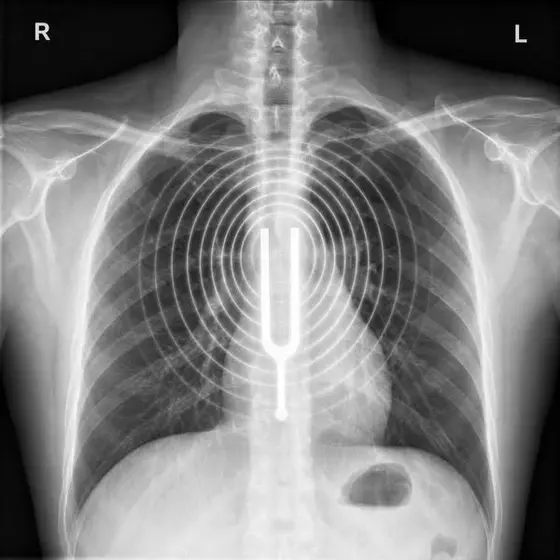
For 3 years I was told my pain was anxiety, and handed another prescription. Then a neurologist pressed something to my chest, and the pain I lived with every day went silent. I sat in her office, holding back tears. Not from the pain this time. Though it was always there, humming in the background, every hour of every day. No. I was crying because I was tired. Tired of being told my pain wasn't real. Tired of hearing "your tests came back normal" like it was supposed to comfort me. Tired of watching doctors glance at their watches while I tried to explain that something was deeply, fundamentally wrong inside my body. "Have you considered that this might be stress-related?" my GP asked, already reaching for her prescription pad. I wanted to scream. If it was stress, why did the pain wake me up at 4 AM, radiating so deep it felt like my bones were humming with electricity? If it was anxiety, why did my shoulders feel like they were filled with broken glass every time I tried to lift my arms above my head? I had tried everything they suggested. Meditation apps. Yoga. Magnesium supplements. CBD oil. Acupuncture. Anti-inflammatory diets. Physical therapy twice a week for eight months. Nothing worked. Or rather... everything worked for a few hours. Maybe a day. Then the pain came crawling back, settling into my body like it owned the place. After my sixth doctor gave me the same dismissive shrug, I did something I should have done years earlier. I found a neurologist who specialized in chronic pain and nervous system disorders. Her name was Dr. Chen. She spent 40 minutes with me. Forty minutes. I almost cried just from being listened to. She ran tests the other doctors never thought to run. She asked questions no one had asked before. And then she showed me something on a nerve conduction study that changed everything. "See this?" she said, pointing to a pattern on the screen. "Your nervous system isn't functioning normally. It's stuck in fight-or-flight mode. Chronic sympathetic activation. Your nerves have become hypersensitive. They're amplifying pain signals that should be minor, and they're firing even when there's no injury present." She set down the chart and looked at me. "Your pain isn't psychological. It's neurological. There's a difference. And the reason nothing has worked is because pills and stretches don't reset a dysregulated nervous system." I sat there in silence, processing. For three years, I had been told I was anxious. Stressed. Overthinking. That I needed to relax. And the whole time, my nervous system was physically stuck in a state of emergency, screaming danger signals that no amount of deep breathing could turn off. "So what do I do?" I asked. "How do I reset it?" Dr. Chen didn't answer right away. Instead, she pulled a metal instrument out of her desk drawer. It looked like a two-pronged fork with a weighted base. "This is a 128 Hz tuning fork," she said. "Neurologists have used this frequency for over 60 years to test nerve function. But here's what most doctors don't realize, or don't tell their patients." She struck the fork against her palm. A deep, resonant hum filled the room. "This specific frequency doesn't just test your nerves. It calms them. When you apply this vibration to your body, it triggers a release of nitric oxide. A molecule that dilates blood vessels, increases circulation, and physically shifts your nervous system out of fight-or-flight." She pressed the base of the fork against my collarbone. The vibration traveled through my chest, down my spine, into places I didn't know could feel anything except pain. For ten seconds, the constant background noise in my body went quiet. Not muted. Not dulled. Quiet. She pulled the fork away, and the hum faded. "That's what your nervous system is supposed to feel like," she said. Then she put the fork back in the drawer. "So you'll do this every visit?" I asked. She paused. "I can't. Insurance only codes this as a diagnostic test. Officially, this isn't a treatment." I drove home in a daze. If my own neurologist couldn't give me the one thing that quieted my body in ten seconds, I would find it myself. That night, I couldn't sleep. But not because of the pain. Because I couldn't stop researching. I bypassed the wellness blogs and went straight to the medical journals. Everything Dr. Chen said checked out. 128 Hz is the specific frequency that resonates with human nerve tissue. It's been used in neurology for decades. And studies showed that sustained exposure to this vibration triggers nitric oxide release, reduces inflammatory markers, and shifts the autonomic nervous system toward parasympathetic dominance. Rest and digest. Not fight or flight. The science wasn't alternative medicine. It wasn't woo-woo. It was physics meeting biology. I ordered a medical-grade tuning fork that night. When it arrived two days later, I felt foolish. It was just a piece of metal. Heavy. Simple. My neck was locked up that morning. The kind of tension that made turning my head feel like grinding gears. I struck the fork against my palm and pressed the stem to the base of my skull. Hummmmm. The vibration didn't stay on the surface. It traveled. Through bone. Into tissue. Somewhere deep. Within thirty seconds, the grinding sensation softened. The muscles at the top of my spine released, like a massage working from the inside out. I sat on my bed and cried. Not because of the relief. Though that was part of it. Because I realized how much time I had lost. Three years of being told I was imagining things. Three years of doubting myself. Three years of my body screaming for help while doctors told me to download a meditation app. And the answer was physics. I started using the fork twice a day. Morning and night. On my neck, my shoulders, my lower back, the base of my skull. Within two weeks, the constant background ache that I had learned to live with started to fade. I stopped waking up at 4 AM. I made it through entire workdays without needing to lie down. By the end of the first month, I went for a walk with my husband. A real walk. Not a shuffle to the mailbox and back. He noticed before I did. "You're not wincing when you move," he said. I hadn't realized I had been. I'm writing this because I know there are other people out there who have been told their pain is psychological. Who have been gaslit by doctors who spent eight minutes with them and dismissed years of suffering. Who have tried everything and are starting to believe that maybe the pain really is all in their head. It's not. Your nervous system might be stuck. And no amount of willpower or positive thinking can settle it on its own. But the right 128 Hz frequency, applied the right way, can help it stand down. The tuning fork I use is the Nourial 128 Hz Healing Instrument. I looked at cheaper ones on Amazon, but they're made from cast aluminum that doesn't hold the frequency precisely. And if the pitch is off, you don't get the neurological benefit. Nourial machines theirs to medical-grade precision. The weight is balanced to sustain vibration deep into tissue. It feels like a surgical instrument, not a toy. And it doesn't arrive as a bare piece of metal you have to figure out on your own. It comes as a complete kit. The fork itself, an activator hammer to strike it cleanly every time, a protective pouch so it never gets knocked off its frequency, and the complete Tuning Fork Guide that maps out every placement point on the body. So from the very first night, I knew exactly where to press it and for how long. That last part mattered more than I expected. I had read about people who ordered a fork online, opened the box, and had no idea what to do with it. Mine came with the map. Nourial backs it with a 60-Day Money-Back Guarantee, which is honestly the only reason I let myself try it in the first place. I told myself: if I don't feel a real difference, I'll send it back. I didn't send it back. I bought a second one for my desk. If you've been dismissed, gaslit, or told your pain isn't real, this might be your answer. The only thing I regret is the three years I waited. Every week I told myself "maybe next month" was another week my nervous system stayed stuck. You deserve to know your pain is valid. You deserve to feel like yourself again.

InactiveJun 27, 26
I wish I knew this earlier

getveylor.com

I wish I knew this earlier

See details

I used to be the funny one. Not in a performing way. In the way where something struck me and I laughed and everyone around me laughed because it was real. I cannot tell you when it stopped. I noticed it one day at my granddaughter's birthday party, watching everyone else in the room be light, and realized I was watching them do it rather than doing it myself. That was three years ago. Last month I laughed the real kind for the first time since. My daughter looked over and did not say anything. She did not have to. My mother lost it too. She is 88. She lost it long before she lost anything else. I am 66. --- Three years ago my doctor scrolled through my chart without looking at me. "Lynn. You've been on this combination for five years. The numbers are stable. I think what you're experiencing now is baseline for someone with your history. Let's talk about what realistic management looks like." Realistic management. My hands were folded in my lap. I looked at them. She was not taking something away. She was naming something that had already been taken and calling it normal. I drove home. I did not cry. I have not cried in front of anyone in longer than I can remember. I put the car in the garage. I sat there for a while. --- My mother at 62: She made up songs about the dog. Not real songs. Just things she sang while doing dishes, naming whatever the dog was doing. It was not funny because it was clever. It was funny because she did it without thinking and did not care if anyone heard. Year 1 on medication: "I feel better." She seemed flatter. The doctor said that was the anxiety coming down. Year 3: The dog songs stopped. She was not aware they had stopped. Year 5: She stopped initiating plans. Calls. She waited to be called. Year 7: At Christmas she sat at the edge of the room rather than the center. Year 12: Her world had become very small and very quiet and everyone said she seemed calm. She was not calm. The lightness was gone and what remained looked like calm from the outside. I was 54. I sat in her kitchen and did not name what I was watching. --- Here is what the alarm takes first, before the sleep, before the 3 AM: it takes the spontaneous self. The part that laughs before it decides whether something is funny. The part that says the ridiculous thing because it occurred to her, not because she planned it. The alarm runs before thought. Before the laugh can complete itself, the monitoring starts. The room is assessed. The laugh is evaluated and the evaluation kills it. What comes out is the polished version. The jaw, clenched before her eyes are open. The shoulders up around her ears. The hum of fight-or-flight that will not turn off even when she tells herself it is time to relax. These sensations and lightness cannot coexist. She was not getting more serious as she got older. The alarm was getting louder. Nobody called it that. --- I have a document. Lexapro 2017. Helped. Did not give back the lightness. Buspirone added 2019. Helped more. The lightness stayed gone. Effexor 2020. Some people said it helped with the emotional numbing. It did not help me. Magnesium glycinate. Ashwagandha. L-theanine. Combinations. Nothing moved what I was actually trying to move. EMDR 2020, eighteen months. My therapist was excellent. She helped me understand the thoughts. The alarm did not care about the thoughts. Amazon obsidian bracelet 2021. Nothing. The pattern across all of it: every single intervention aimed at the chemistry after the alarm fires. The alarm fires first. Then the chemistry. Then the medications and the supplements arrive to manage the chemistry. The alarm itself, the thing that fired before the laugh could complete itself, had never been the target. I did not know that for five years of protocol. --- Here is what nobody told me in five years of management. The alarm fires pre-cognitively. Before thought. Before chemistry. At the vagal level, before anything the medications could engage. Every protocol I was given began its work at the point of the symptom. Nothing was aimed upstream of the symptom. The spontaneity goes because the alarm fires before the spontaneous response can form. Not because of a thought. Not because of anxiety as an emotion. Because of a physical signal firing at a layer before any of that. The lightness does not coexist with the alarm. Not because she changed. Because the alarm took the room first. "Serotonergic interventions address neurochemical cascade following autonomic activation. They do not intercept the pre-cognitive alarm signal at the vagal level..." Five years of aimed-at-the-wrong-layer. --- The cold water. I have been doing it for years without knowing what I was pressing against. The vagus nerve runs closest to the surface at the inside of the wrist. Cold water delivers a counter-signal along the vagal pathway. The alarm receives it. The alarm quiets. For thirty seconds. Then the water shuts off. The alarm comes back. Pierre Curie documented in 1880 that real obsidian and real black tourmaline produce a continuous gentle electrical current where they rest against skin. The same signal. It does not stop when the stone warms. It runs all night. The cold water, made into something that does not stop. --- I had stopped looking. Six weeks after that appointment I was in the supplement aisle of a health food store. Looking at the things I had already tried. Magnesium. GABA. Ashwagandha. I put nothing in my basket. --- Two women in the next aisle. One of them said: "--the Amazon ones don't work because they're glass. Not because obsidian doesn't work. Glass warms to body temperature in forty-five minutes. Once it warms, the piezoelectric current stops. The nerve gets nothing. It is inert. Everything sold as obsidian online is dyed black glass." I moved closer without deciding to. "Real obsidian and real tourmaline at the pulse point deliver a continuous current at the vagal nerve, all night, before the alarm decides how the morning goes. The stone doesn't warm the way glass does. The current doesn't stop." The other woman said: I tried an obsidian bracelet from Amazon. Nothing happened. "Glass. That's why. The approach works. The material was fake." She was in her late sixties. No badge. Just calm. The specific calm of someone who has found the other side of something she spent a long time in. I said: I've been on medications for five years. The lightness is gone. Not just sleep or the 3 AM. The spontaneous part. The part that laughed. She looked at me for a moment. "That's what went first for me too," she said. "Before the sleep. Before all of it. The lightness. The alarm takes that first and it's so gradual that you don't know it's gone until you notice it one day." She knew exactly what I meant. Nobody in five years of protocol had known exactly what I meant. "The Certificate of Analysis is on the site. Third-party tested. You can read the lab results before you order. Not a claim. A document. That's how I knew it was real stone and not glass." She said the name: Veylor. I ordered it in the parking lot before I drove home. --- I put it on that night. Week one: Nothing I could name. The jaw was still there. I wore it to bed and noted nothing. I have been burned before. Week two: Something on Thursday morning. In the chest, where the buzzing usually lives. Slightly further back than usual. Not gone. Just not forward. I did not move. I waited. It did not come forward the way it always does? I did not tell anyone. Week three: I woke at 6:08. I lay there. The alarm was there but it had not climbed. I waited for it to spike the way it spikes. It did not spike. Week four: My granddaughter did something at the dinner table. I do not even remember what it was. Something she said. And I laughed. Not the polished version. Not the one I evaluate before it comes out. The real kind, from somewhere I had not heard from in a long time. My daughter looked over. She did not say anything. That look was the dream. Not a number. Not a doctor's confirmation. The look my daughter gave me when she recognized who was laughing. Week seven: My doctor pulled up my chart. "Lynn. This is significantly better. GAD-7 of 6. It was 14 in March. What changed?" I told her. She was quiet. "I can't officially endorse it," she said. "But I'm not going to argue with what I'm seeing." --- If you are still reading this, you know what the funny one feels like from the inside, and from the absence. You are functioning. You show up. You do the appropriate things. You make the appropriate sounds. Nobody knows how much of it is performance because you have been performing it for long enough that even you sometimes forget there is a version of you that did not need to perform. You kept telling yourself you just got more serious as you got older. That this is what 60 looks like. That the lightness was something you traded for stability. You did not trade it. It was taken. By an alarm that fires before the spontaneous response can form. Before the laugh. Before the thought. At a layer none of the medications were ever designed to reach. You already knew something wasn't reaching it. Every time you watched other people be light in a room and felt yourself monitoring instead of joining. You knew. You kept telling yourself you were wrong. You were not wrong. https://getveylor.com/products/veylor-obsidian-black-tourmaline-bracelet --- The bracelet is called Veylor. Real obsidian and real black tourmaline. Hand-cut, not molded. Third-party tested. Certificate of Analysis on the site before you order. Not glass. Real stone that delivers the continuous piezoelectric signal at the vagal nerve site on the inside of the wrist, all night, before the alarm decides the morning. You sleep in it. You shower in it. Within the first hour you stop noticing it is there. The alarm does not stop noticing. Every order includes a second bracelet. Your daughter has been watching you. She knows the version that laughed without planning it. She has been watching you not have it and she has not said anything because there is nothing to say. The second bracelet is for her. Not because she has anxiety. Because she deserves the mother who was in the room the real way. Small operation. Hand-cut and third-party verified. When stock sells out the wait is eight to twelve weeks. I checked before writing this. 90-day guarantee. If nothing shifts in the lightness, in the sleep, in the 3 AM, send both back. Every cent returned. No questions. Pfizer does not refund Effexor. Forest Laboratories does not refund Lexapro. Not one of them offered a guarantee when the protocol delivered realistic management and nothing else. Veylor does. https://getveylor.com/products/veylor-obsidian-black-tourmaline-bracelet --- You are at a crossroads right now. Path one is what you already know. The jaw before your eyes open. The monitoring that starts before you are fully in the room. The polished laugh. The appropriate version of yourself at every dinner, every family moment, every morning that starts with the alarm already running. Your mother is 88. She lost the lightness years before she lost anything else. Her doctor says she is doing well. You know what doing well looks like from the inside. Every day you stay on path one is a day you chose it. The alarm will keep running at the layer nobody addressed. The spontaneous version of you will keep waiting at a door the medications were never designed to open. Ninety days. The guarantee means you lose nothing by trying and everything by not. She is 88. She does not know there was a door. You know. https://getveylor.com/products/veylor-obsidian-black-tourmaline-bracelet --- Week 1: Jaw still there. Noted nothing. Week 2: Thursday morning. Chest buzzing sitting further back. Did not come forward? Week 3: Woke at 6:08. Alarm didn't climb. Week 4: My granddaughter said something. I laughed. The real kind. My daughter looked over. Week 7: GAD-7 from 14 to 6. My doctor said to keep doing whatever I was doing. Your timeline will be different. The lightness has been gone for years. Give the alarm what it has been missing and see what comes back. https://getveylor.com/products/veylor-obsidian-black-tourmaline-bracelet --- Every night the alarm fires at the layer nobody addressed is another night the spontaneous version of you waits behind the door the medications cannot open. The pattern does not wait while you consider. It ran last night. It will run tonight. It does not need your permission. The link is above.

Track Richard Coleman and get alerts for new ads

Create a free account to follow brands, save ads and search the full library.