
PixelSpyer

Hydrix ad: Ton ennemi invisible 😤

Ton ennemi invisible 😤
Hydrix

Health & wellness website, 8 followers, 6 ads in library

InactiveSoftware & AppsImageLibrary ID 37022379740708848
Launched Jun 26, 2026Run time unknown

New ads are still being tested; watch whether it survives past 30 days.

Ad copy

Ton ennemi invisible 😤

🌀 Ballonnements 😩 Fatigue qui ne part pas 📉 Rien ne semble fonctionner Le cortisol dérégulé change tout. Hydrix Équilibre+ aide ton corps à se réguler — 4 actifs, 1 sachet 👇

hydrix.frShop now
Placements
FacebookInstagramAudience NetworkMessengerThreads
Reach (0 locations)
Not disclosed
Languages
French

Why this ad works

Hook, angle, audience and three ideas to borrow — written by AI from the ad copy.

Similar ads from other brands

InactiveJul 22, 26
Drcalley – Cuscino posturale per bambini

drcalley.com

Drcalley – Cuscino posturale per bambini

Shop now

7.400 euro. Diciotto mesi. Una struttura metallica fissata intorno alla testa di mia figlia ogni notte, mentre piangeva dicendo che le faceva male dormire. E la cosa che ha realmente affrontato il problema costava più o meno quanto una sola rata mensile del suo piano di pagamento ortodontico — e funzionava mentre lei dormiva tranquillamente. Ho scoperto tutto nell’ordine sbagliato. Questa è la parte che non posso restituirle, ed è il motivo per cui sto scrivendo questo. La foto a sinistra mostra mia figlia a undici anni: headgear, apparecchio, tutto quanto. La foto a destra la mostra a tredici anni: libera. Tutti pensano che siano stati quei dispositivi a portarla fin lì. Lasciate che vi racconti cosa quei dispositivi non hanno fatto — e ciò per cui la sua sorellina non ne avrà mai bisogno. È iniziato nel modo più comune. Denti affollati, mandibola inferiore arretrata, un ortodontista con un piano di trattamento e un portale per i pagamenti. “Prima l’espansore, poi l’apparecchio, poi l’headgear notturno per guidare la mandibola. Circa 7.400 euro in totale per questa fase.” Ho chiesto se fosse davvero tutto necessario. “Se non guidiamo la crescita adesso, diventerà più difficile in seguito.” Guidare la crescita. Ricordate questa frase. Quello che seguì furono diciotto mesi di una sorta di guerra familiare continua. Gli scatti dell’espansore che le facevano venire le lacrime agli occhi. I brackets. E l’headgear — Dio, l’headgear. Un arco facciale e una fascia che avrebbe dovuto indossare dieci ore ogni notte. Lo nascondeva. Lo “dimenticava” a casa della nonna. Lo metteva per andare a dormire e se lo toglieva alle 2 del mattino, e io lo trovavo sul pavimento e a colazione litigavamo per il suo stesso viso. Per un anno rifiutò ogni pigiama party — A UNDICI ANNI — perché preferiva perdersi una festa piuttosto che farsi vedere con quell’apparecchio. Abbiamo terminato quella fase. I denti erano più dritti. Il conto era stato pagato. E durante la visita finale feci la domanda che avrei dovuto fare alla prima visita: “Perché, innanzitutto, la sua mandibola è cresciuta in questo modo?” L’ortodontista, mentre sistemava la sua cartella: “Di solito è un’abitudine dei tessuti molli. Respirava con la bocca? La lingua rimane bassa, il palato resta stretto, la mandibola ruota verso il basso e all’indietro. È una causa piuttosto comune.” Rimasi seduta lì a fare i conti, con la bocca aperta. Respirava con la bocca? Aveva dormito con la bocca aperta per tutta la vita. Si vedeva in ogni foto. Il suo russare si sentiva lungo tutto il corridoio. E io ne stavo sentendo parlare DOPO aver speso 7.400 euro, al passato, come se fosse una curiosità. Dissi: “Quindi l’headgear tirava la mandibola in avanti… contro un’abitudine che la spingeva indietro ogni singola notte?” “È un modo di vederla. È per questo che rispettare le ore di utilizzo notturno è così importante.” Diciotto mesi passati a fissare del metallo alla testa di mia figlia per forzare, dolorosamente, durante poche ore di utilizzo ogni notte, esattamente la stessa direzione di crescita che la respirazione nasale produce delicatamente, gratuitamente, per tutta la notte — se solo qualcuno si fosse preoccupato di sistemare prima la respirazione. Ecco il meccanismo che ho imparato con due anni di ritardo. La lingua, quando riposa sul palato, è l’espansore naturale. La sua pressione silenziosa — dieci ore ogni notte, ogni notte dell’infanzia — allarga il palato e porta la mandibola verso l’alto e in avanti. Funziona solo quando le labbra sono chiuse e il naso si occupa della respirazione. Aprite la bocca durante la notte e la lingua scende: Il palato si restringe. La mandibola ruota verso il basso e all’indietro. I denti si affollano. Poi l’industria vi vende i sostituti meccanici, un dispositivo alla volta: Un espansore per fare il lavoro di allargamento della lingua. L’headgear per fare il lavoro di guida in avanti della lingua. L’apparecchio per sistemare la posizione dei denti. Abbiamo pagato a prezzo pieno un’imitazione di una funzione che il suo stesso corpo svolge gratuitamente — mentre la causa originale continuava ad agire ogni notte tra un appuntamento e l’altro. Ora arriva la parte di questa storia che va nel verso giusto. La sua sorellina aveva sette anni quando ho scoperto tutto questo. Stessa bocca aperta durante la notte. Stesso leggero russare. Stessa traiettoria — riuscivo già a vederla nella sua foto scolastica, quel primo accenno di un mento che iniziava ad arretrare. Stessa sala d’attesa nel suo futuro. Altri 7.400 euro sul nastro trasportatore. Non questa volta. Con lei, invece, abbiamo sistemato le notti — prima del danno, non dopo. Il cuscino Drcalley: mantiene la sua testa allineata durante il sonno in modo che le vie respiratorie rimangano aperte, il naso prenda il sopravvento, le labbra si chiudano da sole e la lingua torni a riposare sul palato. L’espansore naturale, di nuovo al lavoro. Niente fissato intorno alla sua testa. Niente che possa strapparsi via alle 2 del mattino. Niente di cui vergognarsi durante un pigiama party. Lei semplicemente dorme — profondamente, tranquillamente — e la crescita viene guidata nel modo in cui l’ortodontista intendeva: dieci ore ogni notte, con piena aderenza, perché non c’è NULLA a cui dover aderire. Prima settimana: niente di visibile, dormiva benissimo. Terza settimana: russare scomparso, labbra chiuse quando andavo a controllarla. Terzo mese: si svegliava luminosa, le occhiaie stavano svanendo. Nono mese: il suo dentista, con la fronte corrugata mentre guardava le misurazioni: “La sua arcata si sta sviluppando magnificamente. Potrebbe essere una delle fortunate che non avrà mai bisogno di molto.” Fortunata. Certo. Chiamiamola fortuna. Due figlie. Stessa genetica. Stessa casa. Stesso schema iniziale. Una si è sentita dire: “Aspettiamo e vediamo.” Poi sono arrivati 7.400 euro di dolorosa correzione meccanica, diciotto mesi di litigi e un album di ricordi pieno di pigiama party persi. L’altra ha sistemato le sue vie respiratorie a sette anni con un cuscino ed è sulla buona strada per evitare completamente il nastro trasportatore. Se vostro figlio è già su quel nastro trasportatore — espansore programmato, headgear “tra uno o due anni”, un preventivo piegato dentro un cassetto della cucina — fate alla prima visita la domanda che io ho fatto soltanto all’ultima: PERCHÉ la mandibola sta crescendo in questo modo? Se la risposta riguarda una bocca aperta durante la notte, capite cosa state comprando: la correzione di una forza che continuerà a spingere indietro ogni singola notte finché qualcuno non sistemerà la respirazione. Sistemate la respirazione. Qualunque altra cosa facciate dopo: sistemate prima la respirazione. 👉 https://drcalley.com/products/drcalley-cuscino-posturale-per-bambini P.S. Ho chiesto all’ortodontista perché la respirazione non venga affrontata all’INIZIO dei piani di trattamento. La sua risposta sincera: “È difficile verificare l’aderenza alle misure relative alle vie respiratorie, e i genitori vogliono vedere progressi visibili.” Traduzione: I denti raddrizzati vengono bene in foto insieme a un piano di pagamento; i problemi prevenuti non si possono fotografare affatto. Vostra figlia non ha bisogno di venire bene in foto per una cartella clinica. Ha bisogno che la causa venga fermata stanotte. 👉 https://drcalley.com/products/drcalley-cuscino-posturale-per-bambini P.P.S. Se siete ancora prima del “nastro trasportatore” — bambino sotto gli otto anni, bocca aperta durante la notte, magari un leggero russare — avete tra le mani il biglietto vincente che mia figlia maggiore non ha mai avuto. Più giovane è il viso, più la lingua può ancora modellarlo gratuitamente. Non sprecate questo periodo semplicemente “monitorando”. 👉 https://drcalley.com/products/drcalley-cuscino-posturale-per-bambini

InactiveJun 27, 26
Start Now 👉

kindle.peech.app

Start Now 👉

Learn more

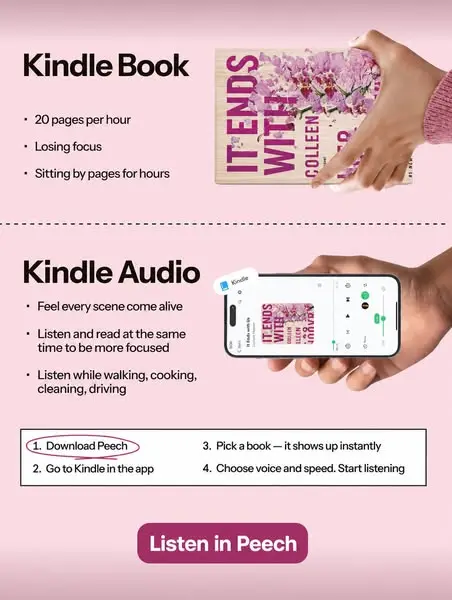
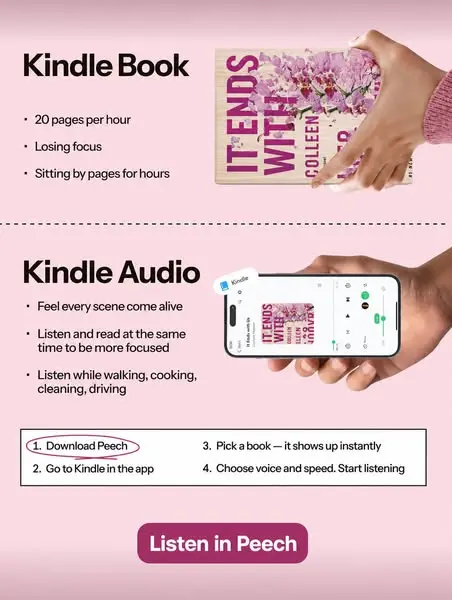
Everyone told me love was supposed to feel good. No one warned me that sometimes love is learning to make excuses for the person who hurts you. I grew up in a house that was too quiet. Not because it was peaceful — but because all of us had learned to stay silent. Silent when the doors slammed. Silent when, the next morning, my mother smoothed her concealer a little thicker over her cheekbone. I swore to myself when I was still a girl: this will never happen to me. I'll be smarter. I'll choose someone different. I'll break the cycle. And then I met him. He came into my life like a breath of air after a long dive underwater. Beautiful enough to stop my heart. Smart, successful, attentive to the little things I forgot about myself. He looked at me like I was the only thing in the world worth having. And for the first time in a long while, I let myself believe I deserved to be happy. The first months felt like a dream I never wanted to wake from. He knew how to make me laugh. He knew what to say when I was falling apart. He knew me — sometimes, it seemed, better than I knew myself. And then came the thing I didn't let myself see right away. A wrist gripped a little too hard. An apology the next morning — so sincere, so desperate, that I was the one who ended up comforting him. "I didn't mean to. You know I'm not like that. I just love you so much, it makes me crazy to think of losing you." And I believed it. God, how I wanted to believe it. Because I knew his story. I knew the hell he'd been through as a child, the scars he carried inside. And every time something happened, I told myself: it's not him, it's his past. I can heal him. Love heals — that's what I'd always been told. But between "he slipped" and "it's happening again" lies a chasm you only see later, looking back. I grew quieter. More careful choosing my words. I started reading his mood the moment I crossed the threshold — the way I once read my father's. I stopped seeing my friends, because it was easier that way. I began to disappear — slowly, piece by piece, and I hardly noticed it happening. The woman who'd sworn this would never happen to her looked back at me from the mirror with her mother's eyes. And then I found out I was pregnant. And everything changed. Because now it wasn't only my life anymore. I held the test in my hands and understood: one day this child would grow up in a house that was too quiet. One day they would learn to stay silent when the doors slammed. And they'd ask me the one question I'd have no answer for: "Mom, why did you stay?" I loved him. That's the worst part — that I really did love him, even then. No one warns you that leaving the person who hurts you is a hundred times harder when, in between the pain, you still see the person you fell for. But my love for him and my love for myself finally stood on opposite sides. And for the first time in my life, I had to choose. I thought about that chain — my mother, me, my child. About how pain is handed down like an inheritance, unless someone finds the courage to cut it off. And I understood who I had to become. Not the one who endures. Not the one who forgives for the hundredth time. But the one with whom all of it ends. The story has only just begun. Find out if she finds the courage to break the cycle — listen to "It Ends with Us" on Peech.

InactiveJun 27, 26
Intelligent control
4

facebook.com

Intelligent control

Send WhatsApp message

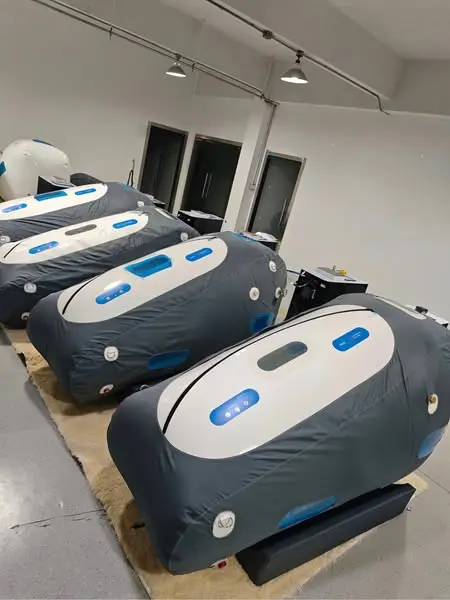
🌟 IPad Intelligent Control Soft Chamber Oxygen Cabin🌟​ 🔥 Core Highlights 🔥​ ✅ Medical - Grade Therapy at Home:Our 1.5ATA Soft Pod brings hyperbaric oxygen therapy straight to your living room. Boost your body’s natural healing, enhance cognitive function, and improve sleep quality without leaving your house.​ ✅IPad Intelligent Control System: Oxygen chamber control, data monitoring, entertainment system ✅ Innovative Soft Design:Unlike traditional hard chambers, our soft pod is lightweight, foldable, and easy to set up. It’s perfect for any space, whether you’re in a cozy apartment or a spacious home office.​ ✅ Tailored Wellness Experience:Customize your session time and pressure settings to meet your unique needs. Whether you’re recovering from an injury, combating fatigue, or simply seeking relaxation, this pod adapts to you.​ #HBOT# Hyperbaric oxygen chamber

Track Hydrix and get alerts for new ads

Create a free account to follow brands, save ads and search the full library.