PixelSpyer

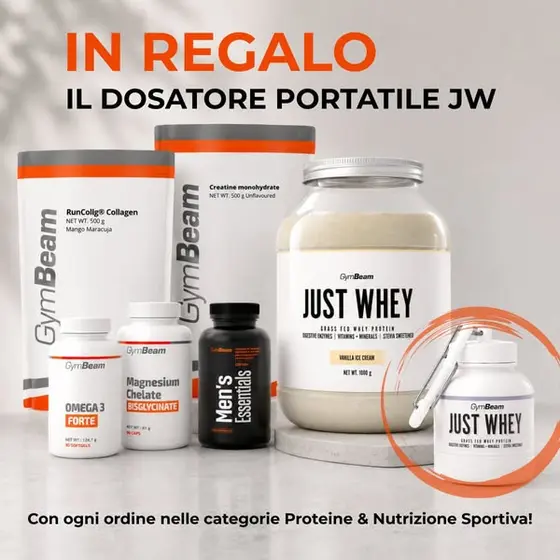
GymBeam ad: Sblocca il tuo regalo! šŸŽ

Sblocca il tuo regalo! šŸŽ
GymBeam

Nutrition, 839.9K followers, 5 ads in library

InactiveHealth & SupplementsImageLibrary ID 1033962046250946
Launched Jun 26, 2026Run time unknown

New ads are still being tested; watch whether it survives past 30 days.

Ad copy

Sblocca il tuo regalo! šŸŽ

šŸŽ UN REGALO PER TE! Scegli i tuoi prodotti preferiti delle categorie Proteine & Nutrizione Sportiva e ricevi in omaggio il pratico Dosatore Portatile JW šŸ’Ŗ šŸ›’ Non lasciartelo sfuggire!

gymbeam.itShop now
Placements
FacebookInstagramAudience NetworkMessengerThreads
Reach (0 locations)
Not disclosed
Languages
Italian

Why this ad works

Hook, angle, audience and three ideas to borrow — written by AI from the ad copy.

Similar ads from other brands

InactiveJun 27, 26
Brothers who want to get bigger, look here!
Video

simplesigil.com

Brothers who want to get bigger, look here!

Shop now

Two slices are enough: Energy Ɨ Endurance Ɨ Confidence. Don't chase a temporary "spike" — return to your best self every day. Rosa Roxburghii combine a powerful botanical formula (Rosa Roxburghii extract, Vitamin C, SOD, Flavonoids, Zinc, and Selenium) — so that when it matters, you feel more stable, more enduring, and more in control. What you'll notice: āœ… Stable energy – Clear focus during the day, restful nights. No crashes, no jitters. āœ… Endurance support – A natural rhythm and staying power exactly when you need it. āœ… Real confidence – A calm mind, better control, and a presence others notice. Why Rosa Roxburghii? 🌿 Plant‑based Ā· Stimulant‑free Ā· Sugar‑free – Designed for daily use, without the shakes or side effects. šŸ”¬ Meaningful formula: Rosa Roxburghii – Rich in Vitamin C and SOD (superoxide dismutase), a powerful antioxidant that fights fatigue and supports cellular energy. Flavonoids & natural polyphenols – Help reduce oxidative stress and improve metabolic efficiency. Zinc + Selenium – Core nutrients for immune health, male vitality, and overall well‑being. šŸ­ Made in GMP‑certified facilities – Third‑party analyzed, discreet shipping. Trust from the source. šŸ’Æ 180‑Day Guarantee – Try it risk‑free. Not for you? We'll refund you. How to use it (really simple): Take 2 slices a day at the same time (many prefer after dinner or post‑workout). Consistency makes the difference. Easy to carry in your backpack or while traveling. Limited Offer: šŸŽ‰ Buy 2 Get 2 FREE Ā· Fast & Discreet Shipping Ā· 180‑Day Risk‑Free Warranty Make energy Ɨ endurance Ɨ confidence your daily habit. šŸ›’ Buy now and get back to your best self!

šŸ‡¬šŸ‡§
InactiveJun 27, 26
Ceylon Cinnamon 7200mg Equivalent with MCT Oil

zelrae.com

Ceylon Cinnamon 7200mg Equivalent with MCT Oil

Learn more

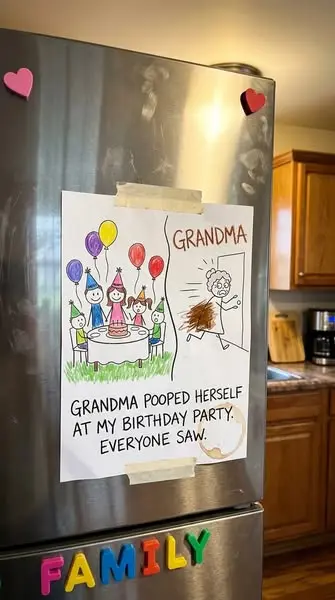
I'm going to f*cking lose it if I read one more post that says: "My A1C is finally under control. But I can't go to my granddaughter's birthday party without planning my exit route to every bathroom first. I had an accident last month. In front of everyone. I haven't left the house since." And the replies flood in. "Try the extended release version." "Take it with a meal." "Add probiotics." "Have you tried cutting out more carbs?" Stop. You are not housebound because your blood sugar isn't controlled. You're housebound because your medication controls your blood sugar by routing everything through your gut. And nobody told you what years of that would eventually do to it. Your Metformin works through your intestinal wall. That's the pathway. That's always been the pathway. The same mechanism that gets your blood sugar down strips your gut lining of its ability to protect itself in the process. Lactate buildup. Bile acid disruption. Chronic intestinal inflammation that builds silently for years while your A1C looks perfect on the chart. Your doctor calls it GI side effects. Like it's a mild inconvenience you manage around. It is not a mild inconvenience. It is your gut being dismantled from the inside while everyone congratulates your numbers. And switching to extended release doesn't stop it. Adding a probiotic doesn't address it. Taking it with food delays the onset. It doesn't repair what's underneath. My name is Dr. James Parker. Gastroenterologist. Eighteen years in practice. I've seen what Metformin does to the gut up close. With a camera. And I have to tell you something that's been deliberately kept out of this conversation. Because for fifteen of those eighteen years, I watched the same pattern destroy people's lives in the most private way imaginable. And the medical system called it "managed." A patient gets diagnosed with Type 2. Their endocrinologist puts them on Metformin. Tells them to watch the carbs. Walk more. Come back in three months. Numbers look great. Then they end up in my office. "Dr. Parker, I don't understand. My A1C is exactly where my doctor wants it. But I can't trust my gut anymore. I planned every exit at my daughter's wedding last year. I sat in the back row at church for three years. Last month I had an accident at my grandchild's birthday party. My husband pretended he didn't notice. I haven't said that out loud to anyone." I'd tell them what I was trained to say. "Let's switch to extended release. Make sure you take it with food. We'll add a probiotic and see if that helps with motility." They'd switch. They'd add the probiotic. Three months later: still planning every outing around bathroom access. "What about reducing fiber?" Still happening. "Maybe a gut motility prescription?" Still happening. This conversation repeated itself so many times I stopped counting. And every time, the answer was the same. Adjust the routine. Add another fix. Monitor the A1C. Except the A1C looked fine. And they still couldn't sit in the stands at their grandson's soccer game. In 2021, I made a decision to start looking harder at what was actually happening. I started tracking every long-term Metformin patient in my practice whose gut symptoms were worsening despite all the standard interventions. Every formulation switch. Every dietary change. Every probiotic protocol. Over the following year, I found myself looking at the same picture across dozens of patients. All of them medicated. All of them compliant. All of them getting worse in the one dimension nobody was measuring. And as I dug into the research alongside a colleague specializing in metabolic disease, we kept landing on the same finding. A mechanism almost nobody was discussing in the context of Type 2 management. Here's what your Metformin does not do. Your cells have receptors in their walls. They're called GLUT4 transporters. Think of them as gates. When insulin signals them to open, glucose flows from your blood into your cells the way it's supposed to. In Type 2 diabetes, those gates stop responding. Insulin knocks. Nothing opens. Glucose builds up in your blood instead of going where it belongs. Metformin works around this problem. It forces glucose handling through the gut instead of through those broken cell wall gates. That works. Your numbers improve. But the gates stay broken. And every day your gut pays the full price of being the only pathway in use. There is a compound found in a very specific form of cinnamon that does something your Metformin has never been designed to do. It activates the GLUT4 transporters directly. At the cell wall. Without touching your gut at all. The gates start responding again. Glucose moves from blood into cells the way it was always supposed to. Through the wall. Not through your gut. This is not a "blood sugar supplement" in the way the supplement industry uses that phrase. This is a completely separate mechanism. A second pathway. And the research on it had been sitting in peer-reviewed journals for years while patients in my waiting room were mapping every public bathroom between their house and their daughter's wedding venue. I didn't go to wellness websites. I pulled clinical studies. PubMed. Peer-reviewed journals. Multiple countries. Randomized controlled trials. What I found was not vague. Measurable reductions in fasting blood glucose. HbA1c improvements. Reduced inflammatory markers. In patients already on medication. Not instead of medication. Alongside it. But every study specified the same thing. The form matters. There are two kinds of cinnamon sold across the world. Ceylon cinnamon. And Cassia cinnamon. Cassia is in almost every supplement on the market. Every blood sugar support product at the pharmacy. Every jar labeled "cinnamon" at the grocery store. And Cassia contains coumarin. A compound that at the daily doses required to activate GLUT4 transporters consistently has been shown to cause liver damage over time. Every study that found the GLUT4 activation result used Ceylon cinnamon. The type where natural coumarin levels are low enough that daily long-term use is clinically safe. Most patients I'd spoken to who had tried cinnamon supplements had tried Cassia. They stopped after reading about liver risk. They were right to stop. They weren't wrong about the mechanism. They'd been taking the wrong form. Let me tell you about the patient who changed everything. Her name was Dorothy. Sixty-four years old. Type 2 diabetes for six years. On Metformin from day one. Her endocrinologist called her a model patient. Her A1C was perfect. Her daughter brought her in. "Dr. Parker, my mother stopped coming to family things about two years ago. She won't say why. I only found out what was happening because my kids told me. My twelve-year-old asked me why grandma always runs to the bathroom. My nine-year-old drew a picture of it. For a school project. Grandma, at a birthday party, in an accident. Labeled in block letters. 'Everyone saw.'" She showed me the drawing. A child's picture. Their grandmother, mid-accident. Taped to the refrigerator next to the family drawings. The kind of thing that gets put on the refrigerator. "She didn't leave the house for two months after that. She won't discuss it. My kids ask me why grandma always needs a bathroom and why she ruins every trip we take. I don't know what to tell them. I need to know what's actually happening to her." I brought Dorothy in. The workup showed exactly what I'd started to expect. Chronic intestinal inflammation. Bile acid dysregulation. Gut wall damage consistent with years of Metformin-induced assault on the intestinal lining. Dorothy's blood sugar was beautifully controlled. Dorothy's gut had been paying for that control for six years. And nobody had looked. I called her daughter. "Dorothy's intestinal wall is inflamed. Chronically. The Metformin is doing exactly what it's designed to do for her blood sugar. But the gut wall has been absorbing the cost of being the only pathway in use for six years. That is what's causing the urgency. The unpredictability. The accidents. None of this is aging. It is a direct consequence of a mechanism that was never designed to protect the gut while it managed the blood sugar." "So she has to stop Metformin?" "No. Her blood sugar needs management. But we need to give her cells a second pathway. One that completely bypasses the gut." I explained the GLUT4 research. I explained why Ceylon cinnamon was the only form where the science held and long-term daily use was safe. Her daughter went home that night and ordered Ceylon cinnamon from Amazon. First result. Strong reviews. Dorothy started taking it alongside her Metformin every morning. Week one. Gut still unpredictable. Week two. Maybe marginally better. Still mapping bathrooms. Week three. No meaningful change. Week four. Her daughter called. "Dr. Parker, she's been taking it every single day. Nothing has changed. She still can't go anywhere. It's not working." I asked her to bring me the bottle. I sent it to an independent lab. What came back didn't surprise me. But it still made me angry. The "Ceylon cinnamon" in that bottle was almost entirely Cassia. Ceylon content was at trace levels. High-temperature processing had degraded what little active compound remained. Coumarin content was not in the safe range for daily use. The rest was filler. It wasn't Ceylon cinnamon. It was Cassia powder in a Ceylon-labeled bottle, sold under a Sri Lanka flag icon on an Amazon thumbnail. Dorothy hadn't been taking what the GLUT4 research studied. She'd been taking the exact form the research had ruled out. Every day. For four weeks. No wonder the gut wall hadn't improved. I ordered every Ceylon cinnamon supplement I could locate. Every brand making the claim. The "organic certified" ones. The "clinically standardized" ones. The "premium sourced" ones. Same lab. Same tests. What came back was one of the more demoralizing things I've encountered in two decades of clinical practice. Most came back as Cassia, mislabeled. Several with coumarin at concentrations unsafe for the daily long-term use this mechanism requires. A number showed heavy metal contamination. Two came back with pesticide residue above acceptable thresholds. Several had no detectable standardized extract at all — just degraded powder with negligible active compound content. All of them had strong reviews on Amazon. All of them were being consumed daily by people who had no idea what they were actually taking. Then one came back different. A few weeks earlier, Dorothy's daughter had mentioned that a friend of hers had been active in an online diabetes community. Not a Facebook ad. Not a practitioner recommendation. A community thread — people discussing what had and hadn't worked for Metformin side effects specifically. Someone had posted about a brand they'd spent weeks researching for sourcing and lab verification before ordering. The brand was Zelrae. Dorothy's daughter asked if I'd look into it. I ordered it. Sent it to the same lab that had tested everything else. The results came back clean across every single test. True Ceylon cinnamon. Sri Lanka sourced and verified. Low-temperature processed specifically to preserve the active compounds. Coumarin within the range safe for sustained daily use. Zero heavy metal contamination. Zero pesticide residue. Zero fillers, stems, seed material, or unlisted additives. Standardized extract concentration matching what the GLUT4 research had actually used. It was the only brand I tested that passed every category. Every other brand had failed at least one. I told Dorothy's daughter: stop the Amazon brand. Replace it with Zelrae. Dorothy started two softgels every morning alongside the same Metformin she'd been on for six years. Week one. She mentioned something small. The morning urgency felt slightly less intense. She wasn't sure if she was imagining it. Week two. She went to the grocery store. Didn't map the bathrooms first. She didn't say anything at the time. Her daughter told me later because Dorothy had mentioned it quietly at dinner. Week three. Dorothy called the office herself. "Dr. Parker, I went to my granddaughter's soccer game. I sat in the stands. Two hours. Nothing happened. I haven't been able to do that in three years." Her voice was breaking. Week four. Dorothy's endocrinologist called me directly. "I don't know what changed in Dorothy's protocol, but her inflammatory markers are moving. Her fasting glucose is dropping below where Metformin alone was holding it. Are you running a parallel intervention?" "Ceylon cinnamon extract. Clinically dosed. The verified form." A pause. "Should I be considering adjusting her Metformin?" It was the first time in eighteen years a colleague had asked me that question about a cinnamon supplement. Dorothy's daughter called the following week. "She came to my son's birthday party. She stayed for four hours. She ate at the table. She sat with her grandchildren. She didn't disappear. She didn't map the layout when we arrived. She was just there." She was crying. "What changed?" "The same Metformin. One addition. The form that bypasses the gut completely and lets the cells do their job through a different pathway." "Why didn't any of her doctors ever tell her about this?" I didn't have an answer. After Dorothy, I changed my protocol. Every patient on long-term Metformin with worsening GI symptoms gets a conversation about the GLUT4 mechanism and Ceylon cinnamon sourcing before I write another referral. Because I've thought about the patients I didn't have that conversation with. I've thought about Patricia. Sixty-seven years old. Eight years on Metformin. Her A1C was excellent. We called her numbers perfect. She stopped attending family events around year four. I assumed it was preference. By year eight she came in with advanced gut motility dysfunction we were treating as a primary condition. We had been managing the consequence of something we had never once addressed. I've thought about Robert. Sixty-one. His wife called me after he refused to fly to their daughter's wedding. He'd been on Metformin for five years. He told her he "didn't feel up to the travel." I knew what that meant. I didn't say it. She didn't know why he cried alone in his home office after that phone call. He had stopped every situation he couldn't control. And I had been calling his A1C excellent and sending him home. I have more than those two. I'm writing this because I keep seeing the same posts. "Blood sugar is finally where it needs to be. I just had an accident at my grandchild's party and I haven't left home since." "My numbers are controlled. I just can't commit to anything anymore without knowing exactly where the bathroom is." "My doctor says my A1C looks perfect. I feel like I'm disappearing." You are not imagining it. Your medication is doing exactly what it was designed to do for your blood sugar. And it is doing something else to your gut that nobody measured when it was prescribed. You have a second pathway. One that activates the GLUT4 transporters in your cells directly, at the wall, without routing through your gut at all. A form of cinnamon extract that works alongside your existing medication through a completely separate mechanism. You don't need a prescription for Ceylon cinnamon. It's a food-derived substance, not a pharmaceutical. It works with what you're already taking, through a pathway your current medication never touches. But — and this is not a minor point — most of what's sold as Ceylon cinnamon is not Ceylon cinnamon. Most of what I tested came back as mislabeled Cassia. Coumarin at concentrations unsafe for the daily long-term use this mechanism requires. Heavy metal contamination. Pesticide residue. Degraded active compounds. Wrong plant parts. Cheap fillers making up the volume. All of it highly rated on Amazon. All of it being taken daily by people who have no idea what's actually in the capsule. Dorothy spent four weeks on Amazon's top-rated Ceylon cinnamon. Her gut didn't improve because she wasn't taking Ceylon cinnamon. She was taking Cassia — the form the research specifically excluded — in a Ceylon-labeled bottle. The only brand that came back clean on every single test was Zelrae. True Ceylon cinnamon. Sourced and verified. Processed at low temperature specifically to preserve the active compounds. Standardized extract matched to the GLUT4 clinical research. Independent lab verified. No contamination. No fillers. No mislabeling. Two softgels every morning alongside your existing medication. Within four to six weeks, the second pathway begins activating. The gut stops bearing the full load alone. The urgency starts to ease. The planning starts to loosen. I have recommended Zelrae to every qualifying patient in my practice since Dorothy. Almost all of them are getting their ordinary lives back. Not dramatic lives. The birthday party. The grocery store without a mapped exit route. The two hours in the stands at the soccer game. Don't take a generic Ceylon supplement without knowing what the lab actually found inside it. Most of it is Cassia. And Cassia at daily therapeutic doses carries liver implications your supplement retailer will not tell you about. The only brand I have tested that is actually what it claims to be is Zelrae. zelrae.com I think about Dorothy's granddaughter's drawing. A child drew what the medical system didn't measure. What the A1C chart couldn't capture. What "your numbers look perfect, keep it up" left completely unaddressed. Your medication handles the number. There is something that handles the rest. zelrae.com P.S. When I first looked into Zelrae for Dorothy, I didn't realize they have a 30-day money-back guarantee. If the GLUT4 mechanism doesn't produce results for you, you get your money back. I wish I'd known that before Dorothy spent four weeks on an Amazon brand that wasn't what it claimed to be. Most people order at full price, but there's currently a promotion running with meaningful savings. Zelrae operates in small batches specifically to protect compound integrity — when they sell out, restock takes weeks. I have had patients wait. If you are managing Type 2 on Metformin and you are not living the life your A1C suggests you should be able to live, I would not wait on this. The birthday parties don't reschedule themselves. Dorothy went from not leaving her house to sitting in the stands for two hours. Same Metformin. One addition. The form that bypasses your gut and lets your cells use a pathway your medication was never designed to activate. → zelrae.com P.P.S. Almost everything I tested claiming to be Ceylon cinnamon came back as Cassia. Mislabeled, coumarin-heavy, poorly processed, and in multiple cases contaminated with heavy metals or pesticide residue. Amazon's top-rated Ceylon cinnamon was Cassia powder in a Ceylon bottle. Only Zelrae came back clean across every single test. The mechanism bypasses your gut completely. Your Metformin still manages your blood sugar. Zelrae activates the pathway your Metformin was never designed to touch. And your gut stops paying the price alone. → zelrae.com

InactiveJun 27, 26
The Silt Jar
3

getclarova.com

The Silt Jar

Learn more

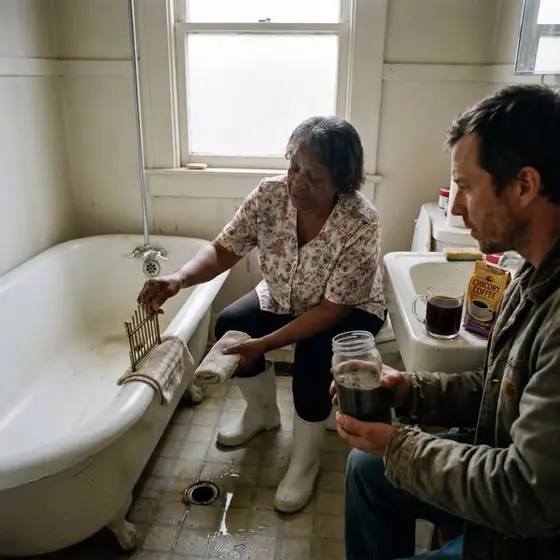
At 5:22 on the morning of my granddaughter’s first kayak trip, I poured a jar of Mississippi River silt into the bathtub and watched the drain turn brown. The trip cooler was packed. Two life jackets waited by the front door. My granddaughter Camille was asleep on the sofa because she had insisted we leave before sunrise and then spent the night talking instead of sleeping. I carried the jar into the bathroom as a test. That is what I called it. The sediment hit the water in a dark cloud. Fine brown particles spread across the tub, circled the drain, and settled into the white enamel around it. I turned on the faucet. The drain remained open, visible and completely unobstructed beneath the muddy water. Water still slowed far enough to erase any comfort the open drain should have given me. I watched the level rise slowly around both my ankles and thought about fibrin, plaque, calcium, and every hidden thing the internet had taught me could make an open artery behave like a blocked channel. Camille appeared in the doorway wearing one sock and her life jacket over pajamas. ā€œGrandma,ā€ she said, ā€œwhy is there mud in the tub?ā€ I told her the kayak trip was canceled. She looked at the brown water. ā€œBecause of that?ā€ ā€œBecause the wind is changing.ā€ The trees outside were still. Camille was thirteen, not blind. She took off the life jacket and set it on the bathroom floor. Then she said, ā€œYou did the river thing again.ā€ My name is Marisol Baptiste. I am sixty years old. I live in New Orleans in a raised shotgun house painted blue because my husband, Andre, said gray looked like surrender. I worked thirty-five years in flood control and drainage. Pumps. Canals. Gates. Culverts. Outfalls. Storm surge. Rain events measured in inches and remembered in family stories. People think flood protection is about keeping gates closed. Often, it is about moving water out. A gate can open on command. A pump can run at full capacity. If the channel has narrowed with silt, vegetation, debris, or years of neglected buildup, the water still backs up where people live. The system does not fail only at the gate. It fails along the route. That truth became personal after my cousin Renee had a stroke at fifty-eight. Renee and I were raised more like sisters than cousins. Our mothers shared a duplex. We shared a bedroom during storms, school uniforms when one family’s laundry machine broke, and every secret either of us was foolish enough to tell near an open doorway. Renee taught kindergarten for thirty-one years. The morning of her stroke, she had been cutting construction paper apples for a classroom wall. One hand stopped cooperating. She tried to keep cutting because teachers are trained to complete tasks while their bodies request meetings. A coworker noticed her speech and called for help. Renee survived. Her recovery was serious, uneven work. She relearned words with picture cards similar to the ones she had used with children. She could name elephant before she could name refrigerator, which offended her sense of educational order. I sat beside her during therapy and watched every movement become a route that had to be reopened. Afterward, my own circulation stopped feeling invisible in the normal way. It felt hidden in the dangerous way. I wanted a map. A cross-section. A maintenance report. A camera inside the channel. My appointments gave me the information appropriate to my actual history. I followed the plan. I still worried about what one appointment could not show in real time. The first article I read was about nitric oxide. Blood vessels need to open. Beetroot supports the pathway. That fit the gate. Then a video said opening was only half the story if fibrin made the flow sticky. That fit the silt. The presenter described fibrin as a repair protein that could leave a mesh behind, creating resistance inside the route. I bought nattokinase. Then I learned calcium could stiffen the channel. I bought K2 and D3. Then aged garlic for flexibility. Turmeric for the environment. Cayenne for warmth. Hawthorn for the pump. My supplement cabinet became a public-works budget. Every bottle had one project and no coordination agreement. I kept a binder. Section one: OPENING. Section two: FIBRIN. Section three: CALCIUM. Section four: WALL CONDITION. Section five: DELIVERY. I printed diagrams and placed transparent overlays on top of them the way we once compared drainage maps. One overlay showed narrowed vessels. One showed plaque. One showed fibrin strands. One showed blood pressure. The more layers I added, the less of the original map I could see. Andre called the binder the Book of Bad Water. I told him the title was disrespectful. He said the binder had taken my chair at dinner and therefore deserved a name. The jar of silt entered the story during a river survey years earlier. I had collected it from the bottom of a channel where the flow had slowed despite a functioning gate. We used samples to show why dredging mattered. When I retired, I brought one sealed jar home. It sat on the shelf with old engineering awards. After Renee’s stroke, it moved to the dining table. Then the bathroom. Then my tote bag. I carried it to appointments and family dinners because the brown layers helped me explain the fear. Andre said nobody needed a sediment demonstration with gumbo. I disagreed. The fear changed the shape of my days. I stopped paddling Bayou St. John. I had kayaked the same route for fifteen years with Renee, then with Camille when she became old enough to sit still for more than eight minutes. The route was calm, close to shore, and familiar. After the stroke, distance from land stopped being the measurement. Distance from help became the measurement. I imagined one hand slowing on the paddle. One word coming out wrong. A hidden channel inside me backing up while the visible water stayed smooth. I sold my red kayak. Andre asked why. I said the hull was getting soft. It was not. Camille kept her yellow kayak in our shed. She asked every month when we would go again. I blamed weather. Heat. Algae. Work being done on the launch. The bathtub was the first time she saw the real excuse made physical. The person who took the jar away from the bathroom was Celeste Arnaud. Celeste was seventy-four, retired from the London Avenue Canal pumping station, and wore white rubber boots in weather that required no boots because she enjoyed being prepared more than she enjoyed matching. She had worked with me during two hurricanes, three major pump overhauls, and one city-council meeting where a man asked whether canals could be ā€œturned off for the weekend.ā€ Camille called Celeste after the canceled trip. I did not know my granddaughter had her number. Celeste arrived before eight with chicory coffee and a small brass gate model used for school presentations. The tub still held brown residue. She looked at the silt jar on the sink. Then at me. ā€œYou canceled water because of water?ā€ she asked. I told her what the jar demonstrated. Celeste set the model gate across the tub drain. She opened it fully. Then she used a washcloth to push the remaining silt into a ridge three inches in front of the opening. The gate stayed open. Water pooled behind the ridge. ā€œAn open gate cannot move water through a channel filling with silt,ā€ she said. That was her spine line. The route had two problems. The gate could fail to open. The channel could resist what moved through it. Beetroot spoke to opening. Nattokinase spoke to the sticky-flow story. But a drainage system also needed flexible walls, steady pumps, and delivery to the far end. Celeste had built the same supplement binder after her husband’s heart event. She tried one ingredient at a time and changed the project whenever a new explanation sounded more urgent. Her daughter finally asked whether Celeste was maintaining her health or conducting an environmental review with no permit deadline. Celeste simplified with Clarova Circulation Complex. Aged garlic. Nattokinase. Beetroot. Cayenne. Hawthorn. Turmeric. K2 and D3. She described it as one coordinated project: Open the gate. Smooth the channel. Support the flexible banks. Warm the distant neighborhoods. Power the pump. I asked whether one liquid could contain enough of everything. Celeste picked up the binder. ā€œEnough paperwork has not moved you one foot down the bayou.ā€ Then she handed the jar to Camille. ā€œPut this somewhere your grandmother cannot flood.ā€ I brought the product, the binder, and the full supplement list into the plan already in place with the people who knew my history. Renee’s stroke had taught me to respect sudden changes, not to turn every quiet morning into an emergency review. The behavior test was the kayak trip. Twelve weeks. Bayou St. John to the old bridge and back. Camille in the yellow kayak. Me in a borrowed red one because mine had already been sold. I ordered three bottles. The first week gave me a simpler counter and no dramatic body signal. I took the measured liquid in water each morning. The separate projects came out of the cabinet. The binder went into a drawer. The silt jar disappeared. Camille had hidden it in the shed inside a life-jacket pocket. I knew because I checked. The checking was still alive. Was one foot warmer? Did my hands feel equal on the paddle grip I practiced in the yard? Did the stairs raise my pulse too quickly? Celeste told me to stop measuring the pump in dry dock. We started with the canal path. Week two: walk to the first bridge. Week three: carry the life jackets to the launch and come home. Week four: sit in the borrowed kayak tied to the dock. That step embarrassed me most. Children paddled past while I remained attached to a cleat like an exhibit. Camille sat in her yellow kayak beside me. She did not tease. She said, ā€œThe water is still here.ā€ I answered, ā€œSo am I.ā€ We stayed fifteen minutes. The next outing, we paddled one block. My right hand tingled after gripping too tightly. The old route map opened in my head. Fibrin. Stroke. Renee’s scissors falling. I loosened my grip. The tingling eased. We turned back because one block was the plan, not because fear had made the decision. I did not count that as a transformation. I counted the return time. Nine minutes out. Nine minutes back. At week six, the binder had remained closed long enough for Andre to put a vase on top of it. He said he needed the chair back at dinner. I told him the binder had never occupied a chair. He showed me a photograph from March. The binder was sitting at the table between us, open to a fibrin diagram. I had no memory of the meal. The image was evidence of absence. The new dinners had no overlays. The physical proof remained ordinary. My hands warmed more quickly after movement. My legs felt less loaded after the canal walks. The deeper change was that sensations rejoined the day instead of turning into citywide alerts. A difficult morning came after poor sleep. My left foot felt numb when I stood. I almost canceled the next practice. I moved, waited, and the sensation passed. I kept the real rules for anything new or persistent. I also kept the appointment with the kayak. Celeste called that ā€œmaintenance without evacuation.ā€ The full route happened on a Saturday in September. Sunrise colored the houses along the bayou pale orange. Camille wore the same life jacket she had dropped on the bathroom floor twelve weeks earlier. I borrowed a red kayak from the museum program. At the launch, Andre handed me the paddle. He said, ā€œNo mud tests?ā€ I said the bathtub was clean. We pushed off. The first bridge came easily. At the second, my heart beat harder from paddling against a light headwind. The old instinct said turn back before the signal became proof. Camille pointed ahead. The old bridge was visible. ā€œChannel’s open,ā€ she said. I looked at the water. Moving. Not perfectly smooth. Not empty of silt. Moving. We reached the bridge. Camille tapped her paddle against mine. On the return, she asked whether I was thinking about Renee. I said yes. She asked whether that meant we had to stop. I said no. At the launch, Andre took a photograph as we carried the kayaks onto the grass. The yellow life jacket was wet. My hair looked unreasonable. Camille was smiling with the tired satisfaction of a child who had won an argument over twelve weeks. She said, ā€œYou did the river thing correctly.ā€ Camille’s sentence became the external record. The phrase she had used in the bathroom became something else. I still own the binder. I still understand risk. I still follow the plan and respect any change that deserves more than a home analogy. The silt jar now sits in the shed beside the paddles. It is a field sample again. Not a prophecy. Clarova stayed because its mechanism matched the system I already understood without turning one ingredient into the entire flood-control plan. Open the gate. Smooth the traffic. Support the channel. Warm the far edges. Power the pump. If you are already deep in nattokinase, fibrin, K2, garlic, nitric oxide and arterial-cleaning research, the problem may not be lack of information. It may be lack of coordination. Choose the bridge. The route. The morning your body and your life are supposed to move through together. One bottle of Clarova Circulation Complex is $19.95. Two bottles with a third included are $39.95, which matched the twelve-week kayak plan. Three bottles with two more included are $59.95 if you want the longer five-month runway and the lowest cost per bottle. The order is covered by a ninety-day money-back guarantee. If the channel never carries you to the bridge and the behavior stays on dry land, ask for the money back. An open gate should move water all the way home. — Marisol P.S. Celeste still wears white rubber boots on sunny days. She also took the brass gate model home after leaving a brown washcloth in my bathtub. When I complained, she said every demonstration needs a cleanup budget. P.P.S. Renee’s stroke taught our family the signs that require action, and we act. The silt picture helped me organize a daily routine between those moments. It never became a reason to delay help or replace the plan built from real information. P.P.P.S. The silt jar is sealed again. Camille wrote NOT FOR BATHTUBS across the lid in permanent marker. The life jacket that lay on the bathroom floor now hangs beside it, still carrying a dried line of bayou water along the bottom edge. That is the sediment I prefer.
InactiveJun 27, 26
Experimenta jÔ! ⭐
Video

walking.harnafit.com

Experimenta jÔ! ⭐

Learn more

AlcanƧa os teus objetivos com: āœ… Treinos para queimar gordura āœ… Uma jornada fitness passo a passo āœ… Uma ampla seleção de programas de treino āœ… Um sistema para criar hĆ”bitos saudĆ”veis āœ… Mais energia e melhor sono āœ… ConfianƧa e forƧa reais

Track GymBeam and get alerts for new ads

Create a free account to follow brands, save ads and search the full library.