PixelSpyer

Dr.Micheal Reeves ad: 🎃 Natural Support for Your Daily Routine

🎃 Natural Support for Your Daily Routine
4
Dr.Micheal Reeves

Personal blog, 36 followers, 14 ads in library

InactiveHealth & SupplementsCarouselLibrary ID 1366080038989473
Launched Jun 26, 2026Run time unknown

New ads are still being tested; watch whether it survives past 30 days.

Ad copy

🎃 Natural Support for Your Daily Routine

If you've been diagnosed with an enlarged prostate, your doctor put you on Flomax or tamsulosin, you're still getting up three to five times a night to pee, and every supplement you've tried has either stopped working or done absolutely nothing — I'm about to tell you exactly what they're not telling you and why they'll NEVER give you the real answer. For SIX YEARS my dad was watching his life shrink around his bladder. He was diagnosed with BPH at 58. Put on tamsulosin immediately. Doctor told him the medication would relax everything and he'd sleep through the night again. Within the first three months? He was getting dizzy every time he stood up. Went lightheaded at a family barbecue and had to sit on the porch while everyone else played with the grandkids. Side effect of the drug. His doctor said his body would "adjust." By year two? He was still getting up three to four times a night. The tamsulosin had taken him from five times down to three — and then stopped working. His prostate was still growing. The drug was relaxing the muscle but doing nothing about the growth. He was exhausted. Dark circles under his eyes that never went away. The kind of tired that coffee doesn't touch because it's not about energy — it's about never getting four unbroken hours of sleep. By year four? The stream was barely a stream. He'd stand at the urinal at a restaurant and wait. And wait. Thirty seconds before anything started. Then a weak, hesitant trickle that stopped and started while the guy next to him finished and walked away. He started using stalls instead. Then he stopped going to restaurants. And the urgency. God, the urgency. The sudden, overwhelming need to go — immediately — that hit in the car, at the store, in the middle of his grandson's baseball game. He mapped every bathroom within a ten-minute radius of anywhere he went. His world got smaller every month. Road trips disappeared. Movies disappeared. Sitting through a full church service became an exercise in clock-watching and anxiety. He wasn't sick. He was watching his prostate squeeze the life out of his daily routine while his doctor adjusted the dosage on a drug that had already stopped working. And every single doctor told him the same thing. --- "Tamsulosin will relax the smooth muscle and improve your flow." "Finasteride can shrink the prostate over time. Six to twelve months to see results." "Lifestyle modifications — reduce caffeine, limit fluids after 6 PM." "If the medication stops working, we can discuss surgical options. TURP is the gold standard." One of them — and this still makes me clench my jaw — told him that BPH is just a normal part of aging and he should accept that his bathroom habits would be "different going forward." He was 60 years old. He'd just retired. He was supposed to be traveling with my mom, fishing with his buddies, enjoying the years he'd worked his entire life to reach. And a urologist was telling him to accept that he'd spend those years mapping bathrooms and sleeping in ninety-minute intervals. On medication. Getting worse. Every year. He went through three urologists in six years. Not one — NOT ONE — ever looked beyond the prostate volume measurement and asked WHY the prostate was still growing while he was on medication designed to manage it. — So here's what they kept telling him to do. And I need you to pay attention because you've probably tried all of this too: Tamsulosin (Flomax) — the first-line prescription for BPH. Four years. Reduced his nighttime trips from five to three initially. Then stopped improving. Dizziness that never fully went away. Retrograde ejaculation as a side effect that his doctor mentioned casually, like it was nothing. My dad stopped talking about it. My mom mentioned it to me once, quietly. That's what these drugs take from men and nobody discusses it. Finasteride — the 5-alpha reductase inhibitor. Prescribed at year three to shrink the prostate. His doctor warned about "possible sexual side effects." Within four months his libido was gone. Not reduced. Gone. He told my mom he just wasn't interested anymore. He was 61 years old. The drug was working on his prostate — PSA dropped — but it was castrating him chemically in the process. He stopped taking it after seven months. Everything the finasteride had improved reversed within weeks. Saw Palmetto — the supplement every men's health forum recommends. Two different brands. Eight months total. First bottle, he thought he noticed a slight improvement in flow. Second month — nothing. Third month — nothing. He switched brands. Four more months. No measurable difference. His urologist said "most saw palmetto doesn't have enough active compound to do anything. But it won't hurt you." "It won't hurt you." Four months and $140 of doing nothing, and the best his doctor could say was it wouldn't hurt him. Beta-sitosterol standalone supplement — five months. Marginal improvement in urgency. No change in nighttime frequency. No change in stream strength. Pumpkin seeds from the grocery store — my mom read online that pumpkin seeds help the prostate. He ate a handful every day for three months. He liked the taste. Prostate didn't care. $60-a-month prostate support formulas with zinc, pygeum, stinging nettle, and lycopene. Two different brands. Both claimed "comprehensive prostate support." Neither moved a single symptom. Between the prescriptions, the supplements, the specialist co-pays, the ultrasounds, and the flow-rate tests — he spent over $8,400 in six years. Still getting up at night. Still standing at the toilet waiting. Still mapping bathrooms. Still on medication. Still getting worse. Every year. --- At this point I'm not frustrated anymore. I'm angry. Because I'm watching my father — who is taking every medication, following every instruction, eliminating caffeine, doing his kegel exercises, limiting fluids, trying every supplement his urologist shrugged at — get worse every year while his doctors keep adjusting dosages on drugs that aren't addressing what's actually driving the growth. Managing. The. Symptoms. Not fixing it. Not shrinking it. Not even trying to figure out WHY his prostate was continuing to grow despite being on a drug specifically designed to address prostate growth. Just managing his decline into a more exhausted, more anxious, more isolated version of himself while they treated the urinary symptoms as the problem rather than asking what was causing the prostate tissue to keep expanding in the first place. And that's when I started asking the questions nobody wants you to ask: Why are doctors so quick to prescribe alpha-blockers that relax the muscle but do NOTHING about the growth — and then act surprised when the prostate keeps growing around the relaxed muscle? Why does finasteride address the growth but come with sexual side effects so severe that most men stop taking it — and nobody offers an alternative mechanism? Why does every prostate supplement on the market contain the same saw palmetto and zinc that clearly don't work at the doses they're using — and nobody questions it? And why does NOBODY ever talk about the specific compound in pumpkin seed oil that works on the exact same enzyme as finasteride — without the side effects — and why it's NOT in any of the supplements he'd been taking? --- So I went down a rabbit hole. A deep one. I started researching why someone with BPH would have a prostate that keeps growing even on medication, even limiting fluids, even taking every supplement the men's health forums recommended. And every mainstream medical site gave me the same recycled answers. Alpha-blockers for flow. 5-alpha reductase inhibitors for shrinkage. Lifestyle modifications. Surgery when drugs fail. Here's the question that stopped me. If tamsulosin relaxes the smooth muscle of the prostate and bladder neck — and he'd been taking tamsulosin for four years — then his urinary symptoms should have remained stable or improved. They didn't. They got progressively worse. Which means either tamsulosin stops working — or the prostate tissue was growing FASTER than the muscle relaxation could compensate for. I couldn't find a single person in the BPH space asking that second question. Everyone was adjusting the tamsulosin dose or adding finasteride or switching to combination therapy. Nobody was asking what was driving the continuous prostatic tissue growth that made every intervention progressively less effective. So I kept searching. --- Here's what I found. Your prostate has an enzyme called 5-alpha reductase. Its job is to convert circulating testosterone into dihydrotestosterone — DHT. DHT is five times more potent than testosterone at the androgen receptor. And the prostate has an extremely high concentration of androgen receptors. When 5-alpha reductase is functioning normally, DHT levels in the prostate stay balanced. Prostate tissue maintains its size. But as men age, 5-alpha reductase activity increases. Not dramatically — gradually. The kind of slow, steady escalation that you don't notice until you're getting up four times a night and can't remember the last time you slept past 5 AM. And when 5-alpha reductase activity increases — DHT accumulates in the prostate tissue. DHT binds to androgen receptors in the prostatic stroma and epithelium. Those cells receive a growth signal. They proliferate. The prostate expands. Not from the outside. From the inside. The periurethral zone — the tissue surrounding the urethra — is where BPH growth concentrates. The prostate swells inward, directly around the tube you urinate through. Think of it like a fist slowly closing around a garden hose. The hose is your urethra. The fist is DHT-driven tissue growth. Every month the fist tightens a little more. The flow gets weaker. The frequency increases. The urgency gets worse. The sleep disappears. That's the squeeze. And it's what nobody was addressing. Tamsulosin relaxes the fist slightly. But the fist keeps tightening because DHT keeps telling the tissue to grow. You feel temporary relief — then the growth catches up. The fist is tighter than before. The relaxation can't keep up. The drug "stops working." It was never designed to stop the squeeze. Only to loosen it temporarily while the squeeze continued underneath. Finasteride blocks 5-alpha reductase systemically — in the prostate AND everywhere else. DHT drops across the entire body. The fist loosens. But DHT isn't just a prostate hormone. It's involved in libido, sexual function, mood, energy, muscle maintenance. When you block it everywhere to address one organ — everything else pays the price. That's why men on finasteride lose their sex drive. That's why they stop taking it. That's why the prostate grows back. So my father was: Taking tamsulosin that relaxed the fist while DHT kept tightening it from within. Taking finasteride that blocked DHT everywhere — destroying his sexual function — while addressing the prostate as collateral benefit. Eating saw palmetto that contained theoretically active compounds at doses so low they couldn't measurably inhibit 5-alpha reductase in the prostate. His doctors were managing the squeeze after it happened. Nobody was stopping the fist from closing. No tamsulosin dose can overcome a fist that DHT keeps tightening. No saw palmetto at 160mg of unstandardized extract can meaningfully inhibit the enzyme driving the squeeze. No lifestyle modification closes a fist that 5-alpha reductase is biochemically instructed to keep closing. On medication. Getting worse. Every year. Because every intervention was downstream of an enzyme that nobody was effectively and safely inhibiting. That's why his symptoms got progressively worse despite every intervention. The squeeze nobody was stopping — driven by 5-alpha reductase and DHT accumulation — was growing faster than every medication could compensate for. He wasn't broken. He wasn't old. He wasn't failing to follow instructions. He had an enzyme converting testosterone to DHT at an accelerating rate — and three urologists treating everything that resulted from it without once safely addressing the enzyme itself. --- And here's the part that made my blood boil. The medical system KNOWS about DHT-driven prostatic growth. It's in the urology literature. It's the entire basis for prescribing finasteride and dutasteride. The mechanism is well-documented. But the standard clinical approach gives you two choices. Take a drug that relaxes the muscle without touching the growth. Or take a drug that stops the growth but destroys your sexual function. That's it. Those are your options. Relax the squeeze temporarily. Or stop the squeeze but lose your manhood in the process. Because there's enormous money in keeping you on tamsulosin at $30 a month that doesn't address the growth. And finasteride at $45 a month when the tamsulosin fails. And specialist appointments every six months where they measure the growth that neither drug is safely stopping. And eventually a $15,000-$25,000 TURP surgery when the drugs fail entirely. Relax the squeeze. Ignore the growth. Profit from the progression. Schedule the surgery. --- So I kept digging. Research on 5-alpha reductase inhibition without systemic DHT suppression. Studies on plant-derived compounds that work on the prostate specifically without affecting DHT levels throughout the body. Clinical evidence on what actually stops the squeeze without the tradeoff. And I found one compound that kept appearing — not in wellness blogs, in peer-reviewed urology research — as the specific solution to DHT-driven prostatic growth without systemic sexual side effects. Pumpkin seed oil. Not pumpkin seeds from the grocery store. Not pumpkin seed extract in a multivitamin. The oil — cold-pressed from Cucurbita pepo seeds — containing a specific concentration of delta-7-sterols, beta-sitosterol, and fatty acid compounds that research has identified as natural 5-alpha reductase inhibitors that concentrate in prostatic tissue. The delta-7-sterols in pumpkin seed oil compete with testosterone for the 5-alpha reductase binding site — specifically in prostate tissue. When delta-7-sterols occupy the enzyme, testosterone can't be converted to DHT at that site. DHT production in the prostate drops. The growth signal weakens. The fist loosens — not because you relaxed the muscle, but because you reduced the signal telling the tissue to squeeze in the first place. And because these phytosterols concentrate in prostatic tissue rather than suppressing DHT systemically — the rest of the body's DHT levels remain intact. Libido stays. Sexual function stays. Energy stays. The prostate-specific squeeze loosens while everything else remains untouched. Not blocking DHT everywhere to help one organ. Addressing the enzyme in the organ where the squeeze is happening. And beta-sitosterol simultaneously reduces prostatic inflammation and improves smooth muscle relaxation in the bladder neck — the same relaxation effect that tamsulosin provides through a pharmaceutical mechanism, achieved through a phytosterol mechanism that doesn't cause dizziness, lightheadedness, or retrograde ejaculation. Both mechanisms. One compound. The squeeze loosens from the growth side. The flow improves from the relaxation side. Both simultaneously. Without the tradeoff. --- My dad tried to find a pumpkin seed oil supplement that actually matched what the research described. First — grocery store pumpkin seeds. Three months. Nothing. Raw seeds contain the compounds but at concentrations so low you'd need to eat cups per day to reach therapeutic levels. And the bioavailability of the sterols locked inside whole seeds is a fraction of what cold-pressed oil delivers. Second — a saw palmetto + pumpkin seed oil blend from a big-box store. Six weeks. The pumpkin seed oil was listed fifth on the ingredient panel. The amount was sub-therapeutic. The saw palmetto was the headline ingredient. The pumpkin seed oil was marketing decoration. Third — a standalone pumpkin seed oil capsule from Amazon. Four stars. Decent reviews. Eight weeks. Marginal improvement in urgency. Nighttime trips unchanged. He went back to the research. Read the methodology carefully. The studies showing significant improvement in BPH symptoms used cold-pressed oil from Cucurbita pepo at specific doses — 1,000mg per day of actual oil, not powder, not extract, not a blend where pumpkin seed oil is a minor ingredient in a prostate formula. The oil had to be cold-pressed to preserve the delta-7-sterols and beta-sitosterol that heat processing destroys. And it had to be at sufficient concentration — most pumpkin seed oil capsules on Amazon contain 500mg of a heat-processed oil with degraded phytosterol content. He flipped over the Amazon bottle. "Pumpkin Seed Oil 1000mg." Looked promising. But the serving size was two capsules. Each capsule was 500mg. And nowhere on the label did it specify cold-pressed, Cucurbita pepo source, or phytosterol standardization. It could have been heat-extracted commodity oil with a fraction of the active compounds. Twelve weeks of taking expensive capsules of degraded oil. The delta-7-sterols he needed might have been present in trace amounts. Might have been destroyed in processing. There was no way to know. Between the tamsulosin, the finasteride he quit, the saw palmetto, the specialist visits, the Amazon supplements, and the grocery store pumpkin seeds — he'd spent over $8,400 in six years. --- And I'm reading a men's health forum one night — researching because his urologist had just brought up TURP surgery as "something to start thinking about" — and I see someone in a BPH support thread mention a small company called Everly. A man in the thread. Different state. Same diagnosis. Same tamsulosin that helped initially then plateaued. Same saw palmetto that did nothing. Same enzyme that nobody was safely addressing. He'd found the DHT mechanism. Tried Everly Pumpkin Seed Oil Softgels. Posted his experience. Nighttime trips down from four to one in six weeks. Stream noticeably stronger by week three. Urgency reduced to the point where he stopped mapping bathrooms. Someone in the thread asked: "How? Because I tried pumpkin seed oil capsules and nothing happened." "Cold-pressed from Cucurbita pepo. Actual therapeutic dose. Softgels — oil form, not powder. The cheap ones are heat-processed and the sterols are degraded. This one actually delivers the delta-7-sterols and beta-sitosterol at the concentrations the research used. The powder capsules and grocery store seeds can't do that." I went to their site. Ready to be disappointed like I had been with every other supplement. Everly Pumpkin Seed Oil Softgels. Cold-pressed. Cucurbita pepo source. Oil-form softgels — not powder capsules — preserving the full phytosterol profile. At therapeutic dose. The delta-7-sterols and beta-sitosterol intact and bioavailable. Not a prostate formula with twelve ingredients at sub-therapeutic doses. A single-compound delivery system at the concentration the research actually used. Not managing the squeeze. Stopping the fist from closing. --- My dad started taking Everly Pumpkin Seed Oil Softgels. After one week? Nothing dramatic. He didn't notice anything different. I told him to keep going. The research showed measurable changes beginning at two to three weeks. After two weeks? He slept until 4:30 AM without getting up. He'd been waking at 1 AM and 3 AM and 5 AM for four years. That first unbroken stretch was three and a half hours. He texted me at 6 AM. "Slept until 4:30. Didn't think that was possible anymore." The delta-7-sterols were beginning to occupy the 5-alpha reductase binding sites. DHT production in the prostate was starting to decrease. The fist was beginning to loosen — not from relaxation, from reduced growth signaling. After three weeks? The stream. He'd been standing at the toilet for thirty seconds waiting for the flow to start for years. He called me on a Tuesday. "Started within five seconds today," he said. "And it didn't stop and start. Just... went." He paused. "I forgot what that felt like." After four weeks? He went to his grandson's baseball game. The whole game. Didn't get up once. Didn't think about the bathroom once. His wife texted me a photo of him in the bleachers, leaning forward, watching the game. Just watching. Not calculating how long until he needed to find a restroom. "He looks like himself again," she wrote. After six weeks? Down to one nighttime trip. One. From four. Without changing his tamsulosin dose. Without adding finasteride. Without a single sexual side effect. He went on a road trip. Three hours each way to visit his buddy at a lake house. Drove straight there without stopping. He hadn't done a road trip in over two years. He called me from the dock. I could hear the water behind him and his friend laughing at something. "I'm at the lake," he said. "Drove three hours. Didn't stop. I'm at the lake." I knew exactly what he meant. After eight weeks? He went back to his urologist for a follow-up. Flow rate test. Peak flow rate — up from 9 mL/sec to 16 mL/sec. Normal is above 15. His urologist pulled up the previous results. Looked at the current ones. Looked at him. "Your flow rate has improved significantly. Your IPSS score dropped from 24 to 11. What changed?" "I stopped the squeeze," my dad said. "DHT was telling my prostate tissue to keep growing around my urethra — tightening the fist every month. The tamsulosin was relaxing the muscle but doing nothing about the growth signal. I addressed the enzyme. The growth signal dropped. The fist loosened. The flow came back." His urologist typed notes slowly. "The mechanism is consistent with phytosterol-mediated 5-alpha reductase inhibition," he said. "We don't typically recommend plant-based interventions because the dosing and standardization are inconsistent across products." "This one isn't inconsistent," my dad said. "Cold-pressed. Therapeutic dose. Oil-form softgels. The compounds the research described — actually present, actually bioavailable." Long pause. "Your objective flow rate has improved more in eight weeks than it did in six years of alpha-blocker therapy. I'm comfortable reducing your tamsulosin. And we can take the TURP conversation off the table for now." Off the table. The surgery they'd been building toward for six years. Off the table. He walked to his truck. Got in. Sat there. Then he called me. "Flow rate normal. IPSS score cut in half. She's reducing the tamsulosin. TURP off the table. Six years. Three urologists. $8,400. On medication. Getting worse. Every year. Every single one of them relaxing the squeeze without stopping the fist. Nobody addressed the enzyme." --- Total improvement at four months: nighttime trips from four to one. Flow rate normalized. IPSS score from 24 to 11. Tamsulosin dose reduced. No sexual side effects. No dizziness. TURP surgery off the table. Road trips again. Movies again. Baseball games without clock-watching. Sleeping five and six hours straight. Going to restaurants and sitting through dinner without thinking about the bathroom once. Not from another pharmaceutical relaxing the squeeze while the fist keeps tightening. From stopping the fist from closing. --- This is what they don't want you to know. Because the second you address the 5-alpha reductase enzyme safely and reduce DHT accumulation in the prostate, you don't need their tamsulosin relaxing a squeeze that's no longer tightening. You don't need their finasteride destroying your sexual function to block an enzyme that a phytosterol addresses locally. You don't need their specialist visits measuring growth that isn't happening. You don't need their $25,000 surgery for a problem that a $30 softgel resolved. The fist loosens. The growth slows. The flow returns. The sleep returns. The way it would have years ago — if someone had addressed the enzyme instead of endlessly managing what the enzyme was doing. --- Now here's what I need you to understand. The squeeze doesn't stop itself. Every month it continues is another month of DHT-driven growth tightening around your urethra. Another month of weaker flow, more nighttime trips, more urgency, more isolation. Another month closer to the surgical conversation that could be avoided. So if you're dealing with ANY of this — getting up multiple times a night and can't remember the last time you slept through, standing at the toilet waiting for a weak stream that stops and starts, sudden urgency that controls where you go and what you do, a prostate that keeps growing despite medication, a urologist who's starting to mention surgery — this is the time. Not next month when your urologist adjusts the dosage again. Not when the nighttime trips increase to five. Not when the TURP conversation becomes a TURP date on the calendar. Right now. derythm Pumpkin Seed Oil Softgels. Cold-pressed. Cucurbita pepo source. Oil-form softgels preserving the full phytosterol profile — delta-7-sterols and beta-sitosterol intact and bioavailable. Therapeutic dose. Not a prostate formula with twelve ingredients at sub-therapeutic doses. The actual compound, at the actual concentration, in the actual form that the research used. Because your urologist isn't going to stop the squeeze. There's no protocol for plant-based 5-alpha reductase inhibition in their guidelines. There's no pharmaceutical margin in it. There's no surgery revenue in it. You have to stop the squeeze yourself. 👉https://derythm.com/products/pumkin-seed-oil

derythm.comLearn more
Placements
FacebookInstagramAudience NetworkMessengerThreads
Reach (0 locations)
Not disclosed
Languages
English

Why this ad works

Hook, angle, audience and three ideas to borrow — written by AI from the ad copy.

Similar ads from other brands

InactiveJul 23, 26
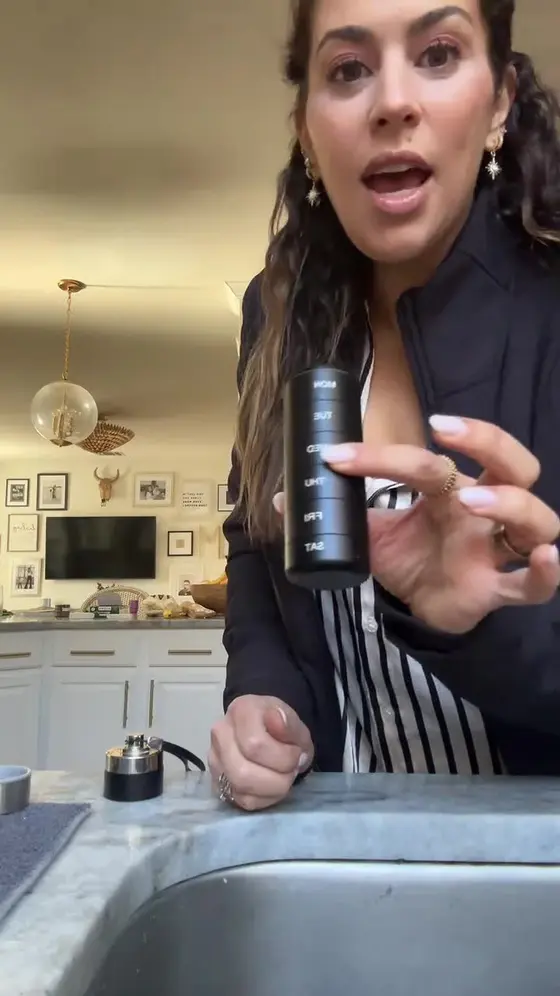
💊📅 Stay Organized, Stay Healthy — Never Miss a Dose Again! ✅

Meet the Large…
Video

m.lifesparking.com

Shop now

💊📅 Stay Organized, Stay Healthy — Never Miss a Dose Again! ✅ Meet the Large Weekly Pill Organizer — perfect for keeping your vitamins, supplements, and medications in check! 🌟 With its spacious compartments and easy-to-read layout, managing your weekly routine has never been simpler 😍

InactiveJun 29, 26
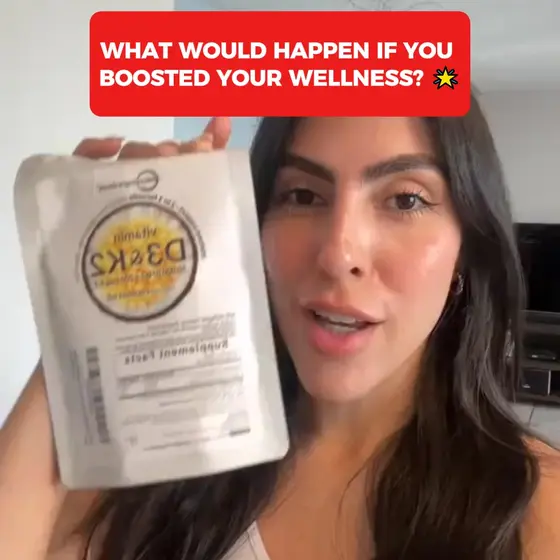
Nutrition Where It Matters Most
Video

themicrolabs.com

Nutrition Where It Matters Most

Shop now

Ever wonder why you still feel tired even after rest? ✅ Vitamin D3 supports energy & mood ✅ K2 helps your body move nutrients where they matter most ✅ Daily balance without complicated routines Buy 2 Get 1 Free — make every day a whole-body day.

InactiveJun 29, 26
My mother did everything her oncologist said. She died anyway 👉

gonaturalgoods.com

My mother did everything her oncologist said. She died anyway 👉

See details

I'm going to lose my f*cking mind if one more person tells their mother with breast cancer to "just do the chemo and stay positive" and thinks that's enough. Or tells their father with stage 3 colon cancer "the oncologist knows best, just trust the protocol." Or posts in one of these cancer support groups asking "what should I give my parents alongside treatment?" and gets 40 comments saying "turmeric" and "CBD oil" and "have them eat organic." YOU ARE NOT DOING ANYTHING WRONG. AND NEITHER WERE THEY. Chemotherapy is 30-40% effective for most solid tumors. That means 6 out of 10 times, it fails. Your mother did the chemo. Your father did the radiation. They're still progressing. They're still ending up in hospice. They're still dying. Because cancer cells have abnormal metabolism. And chemotherapy doesn't target that specifically. Nothing you've given them does. My name is Sarah Mitchell. I'm 48. I live in Arlington, Virginia. And my mother died in a hospice bed on September 14th because I did exactly what you're doing right now — I told her to trust her oncologist and do the chemo and I thought that was enough. It wasn't enough. She was 71. Linda Mitchell. Mom. Lived alone since my dad died in 2016. Called me every Sunday at 9 AM for 25 years. Got her mammogram every year. Ate organic. Took her vitamins. Did yoga. Did everything right. Everything everyone told her to do. And stage 3 breast cancer killed her in 11 months. Because none of it — not the chemo, not the radiation, not the organic food — targeted the cancer where it actually lives. The mitochondria. The cellular energy factory. The place where cancer cells produce energy differently than normal cells and chemotherapy barely touches. That "minor fatigue" your mother mentioned two months ago? That wasn't early stage. That was her immune system already failing. The cancer had been growing for months, maybe years. By the time the scan showed a 3.2cm tumor — the invasion was months old. And nothing you gave her was stopping it at the cellular level. I need you to understand this because I didn't understand it until my mother was unconscious on morphine with her hand going cold in mine while I whispered "I'm sorry" for things I didn't even know I should have done. Let me tell you what I did AFTER the funeral. I went to Whole Foods. I stood in the supplement aisle for 35 minutes. I read every label. I picked up every bottle. And I researched every single one. Turmeric. Curcumin. Nature Made. Life Extension. Anti-inflammatory. That's it. Reduces inflammation around cancer cells. Does not kill a single cancer cell. Not one. Not a fraction of one. My mother took 2,000mg daily and believed she was fighting cancer. She was reducing inflammation while cancer cells multiplied. CBD Oil. Full Spectrum. Broad Spectrum. Pain relief. Anxiety reduction. That's all. Does not target cancer metabolism. What it DOES do in people over 65: drowsiness. Interaction with medications. I gave this to my mother during treatment. She slept 16 hours a day and could barely stay awake when I visited. That's what CBD gave her. Essiac Tea. Four-herb formula. Alternative medicine staple. Beautiful marketing. Then clinical studies: no effect on tumor growth. My mother drank it three times daily for $48 per month. Her tumor went from 3.2cm to 4.8cm in three months. The tea did nothing while the cancer grew. Vitamin C. High-dose. Emergen-C. Immune support. Antioxidant. My mother was already on chemo. Her oncologist said high-dose vitamin C could interfere with treatment. But people recommend it in support groups every single day like it's harmless. To 70-year-olds on carboplatin. "Just take vitamin C." Green Tea Extract. EGCG. Resveratrol. Medicinal Mushrooms. Water pistols at a forest fire. My mother took them religiously. She was a $127-per-month customer at the supplement aisle. None of it touched the cancer where it actually metabolized energy. $127. That's what was on her counter and in her bathroom. $127 worth of supplements, all recommended by people like you and me, and not one — NOT ONE — targets cancer cell mitochondria at the point of energy production. I threw it all in the trash in the Whole Foods parking lot. A woman loading her car stared at me. I was holding a bottle of turmeric over a garbage can and crying in 38-degree weather and I'm sure she thought I was losing my mind. I was. My mother was dead because everyone told her the right things and all the right things were pointed at the wrong target. After six weeks of not sleeping, Maria called me. Maria Santos. My mother's hospice nurse. Three days a week. 39. From the Philippines. Loved my mother. Voice shaking when she spoke. "Miss Sarah. I have another patient. Mrs. Chen. 76. Stage 3 ovarian cancer. Her daughter started her on something last year. Not CBD. Not turmeric. Something called soursop extract. From Southeast Asia. Like what Filipino healers used for generations." She paused. "Her tumor markers dropped 60% in four months. Her oncologist called it 'unexpected response.' CA-125 went from 680 to 240. Four months. I've never seen that without chemo working perfectly." Then the sentence that broke me: "If I had known when Miss Linda was alive, I would have brought it to her myself every visit." I went home and I researched. Every cancer cell — breast, colon, lung, ovarian, the next one nobody's studying yet — has abnormal mitochondrial metabolism. It produces energy differently than normal cells. Relies on specific pathways. Chemo tries to kill all rapidly dividing cells. But it doesn't specifically target the metabolic abnormality. The mitochondria is the engine room. Nothing at Whole Foods shuts down the engine room. The chemo doesn't target it specifically. Turmeric doesn't target it. CBD doesn't target it. Vitamin C supports general immunity. Essiac tea does nothing. Green tea extract is a mild antioxidant. Every supplement I gave my mother was treating symptoms while the actual cancer metabolism ran unchecked. Then I found what acetogenins from soursop actually do. They're compounds found in soursop fruit. Used in Southeast Asian traditional medicine for generations. They inhibit Complex I in mitochondria — the exact pathway cancer cells depend on for energy production. Cancer cells can't produce energy. They die. Normal cells have metabolic flexibility. They adapt. They survive. Research from Johns Hopkins. Memorial Sloan Kettering. Published studies showing up to 76% growth inhibition in certain cancer cell lines. And nobody put it in a bottle for my mother. I called Dr. Ramirez. My mother's oncologist for 18 months. Long pause. "Sarah. Your mother's tumor had high metabolic activity on the PET scan. If there had been a compound specifically targeting mitochondrial Complex I — reducing cancer cell energy production while chemo worked — her immune system may have been able to control the disease better. She was strong for her age." Another pause. "There is a real possibility the outcome would have been different." A real possibility my mother would be alive. Because of a $59 extract that research has validated for decades and nobody told us. I went looking for it. Soursop supplements. I found 11 brands. I researched every one. Sent samples to an independent lab. Amazon Soursop Capsules: Powder-based. Heat-dried. Lab test showed 0.6% acetogenins. Label didn't even list a percentage. Worthless. Another supplement with marketing. Whole Foods Graviola: Low-concentration extract. Underdosed. Lab showed 1.2% acetogenins. Research requires 10-15% for therapeutic effect. Underdosed by 90%. GNC Soursop: No third-party testing. No certificate of analysis. Label said "graviola extract." No way to verify concentration. Could be anything. Amazon Brand A: Same. Mislabeled. One review said "this doesn't seem to do anything." Because it probably doesn't contain real acetogenins. NaturalHealth Soursop: Heat processing destroyed active compounds. Lab confirmed degraded acetogenins. Oxidized. Basically inert. VitaSoursop: Contamination. Heavy metals. Arsenic 4x safe limit. Generic health store brand: Fillers. Rice starch. Magnesium stearate blocking absorption. Ten products. Ten failures. Underdosed, contaminated, degraded, or not even real soursop extract. Then I found Go Natural. Skeptical. Obviously. After turmeric failed my mother. After CBD made her drowsy. After every supplement either did nothing or made things worse. But I ordered it. Cold-pressed liquid extract. Standardized to 15% acetogenins. The same concentration used in research studies. Third-party tested. Certificate of Analysis published. No heat processing. Preserved in amber glass. I stood in my kitchen and took it. Under my tongue. Waited for the bitterness. Waited for the burn. Waited for side effects. Nothing. Mild earthy taste. Gone in 30 seconds. No burn. No nausea. Nothing like the pills my mother choked down. Two dropperfuls. Three times daily. 30 seconds under the tongue. Eight weeks later my friend Karen called. Stage 3 breast cancer. 3.8cm tumor. ER-positive. Scheduled for chemo. Karen stood in my living room. "Sarah, are you sure? My oncologist said supplements interfere with treatment." I looked at her and I thought about my mother. She would have tried anything to avoid what chemo did to her body. Because that's what you do when you're fighting for your life. And she died because she trusted the protocol and nobody gave her something that actually targeted cancer metabolism. "Talk to your oncologist. Show them the research. But don't do what I did. Don't just accept that chemo alone is enough." Karen started Go Natural alongside her chemo. Two dropperfuls, three times daily. Three months later. Her tumor marker dropped from 185 to 48. PET scan showed 60% reduction in tumor size. Her oncologist said "excellent response to treatment." Karen finished chemo. Kept taking Go Natural. Two years later. No recurrence. Tumor markers normal. Same cancer type that killed my mother 18 months earlier. Different approach. The only difference: Karen targeted the mitochondria while chemo did its work. Maria uses it with her hospice patients now who are still trying. Works with families every day. Three patients have had "unexpected improvements" this year. Carol, my neighbor — 68, stage 2 colon cancer — was terrified of chemo. I gave her information about Go Natural. Six months later she called me crying. "Sarah, my CEA dropped from 98 to 23. My oncologist said I'm responding better than expected." Father Tom at St. Catherine's — 64, prostate cancer — "If Linda had known about this, she might still be calling you every Sunday." Karen takes it every day. Doesn't talk about Mom. That's her kindness. But she uses the extract. Every day. You don't need a prescription. You don't need your oncologist's permission to add immune support. Soursop extract is not a drug. It's a plant-based compound that's been researched for decades and reformulated to pharmaceutical-grade standards. If she'd known. But don't buy random soursop supplements from Amazon or Whole Foods. I tested 11 brands. 10 were underdosed, contaminated, degraded, or not even real soursop. The only one that passed every test — the only one I trust — is Go Natural. Cold-pressed. Standardized to 15% acetogenins. Third-party tested. Certificate of Analysis available. Right now, they're running a Buy 2 Get 1 Free deal—three bottles for $59. 90-day money-back guarantee. Free shipping. 👉 https://gonaturalgoods.com/products/organic-soursop-extract-1 If you are the person telling your mother to "just do the chemo and stay positive." If you are the person recommending turmeric in a support group. If you are the person who thinks CBD oil is protecting your 70-year-old father's immune system. You are doing what I did. You are treating inflammation. The cancer metabolism is running unchecked. $59 for three bottles. The turmeric your mother takes costs $22 and it's 0% effective against cancer cells. The Whole Foods aisle cost her $127 and none of it targets mitochondria. The chemo costs $150,000. The hospice cost $12,000. The funeral cost $9,200. $59. Start today. Not after the next scan. Not after you "talk to the oncologist." Today. Because cancer cells are multiplying right now with abnormal metabolism that chemo alone may not stop. Every day you wait is a day the mitochondria keep producing energy for cancer growth. Sarah Mitchell 48, Arlington, VA P.S. — My mother did everything right. Mammograms every year. Organic food. Yoga. Vitamins. Trusted her oncologist completely. She died in hospice 11 months after diagnosis with her hand going cold in mine while I apologized for things I didn't know I should have done. The extract costs $59 for three bottles. She spent more than that on turmeric that prevented nothing. If your parent has cancer — if your mother says "the chemo is working" — send them this. Don't do what I did. Don't wait. P.P.S. — I tested 11 soursop brands. 10 failed — underdosed (0.6-1.2% instead of 15%), contaminated with arsenic, heat-destroyed, or not even real soursop. Amazon brands had no third-party testing. Whole Foods brand was 90% underdosed. The only brand that passed: Go Natural. Cold-pressed, 15% acetogenins, third-party tested, pharmaceutical-grade. I researched this for six months after my mother died. Karen uses it. Maria recommends it. Carol uses it. Father Tom uses it. Only buy from: https://gonaturalgoods.com/products/organic-soursop-extract-1

InactiveJun 29, 26
Support stamina and heart health every day

track.tryrosabella.com

Support stamina and heart health every day

Learn more

I Caught My Reflection in a Bakery Window Last March and Didn't Recognize the Way I Was Standing. I want to share what I've been doing the last few months, because my sister asked me about it on the phone last week and I realized I'd never said it out loud to anyone. I'm 62. I went through menopause at 51. The hot flashes faded after a couple of years. The sleep got mostly normal again. For about seven or eight years after that, I thought I'd come out the other side. I was teaching full-time then. Elementary school. Third grade, mostly. The kind of work that doesn't let you sit down for long stretches and doesn't let you be tired in front of the kids. I retired at 60. I picked up a few hours a week tutoring kids in reading. It keeps me in the work without the exhaustion of a full classroom. My husband Steve and I have been married 38 years. Two grown kids. Three grandchildren — six, four, and almost two. That's the bio. That's not really what I came to tell you. What I came to tell you started somewhere around my fifty-eighth birthday. It wasn't anything dramatic. It was a slow drift. I started getting cold in rooms other people weren't cold in. I started reading two fewer pages of my novel before falling asleep at night. I started suggesting we take the elevator at the movie theater instead of the stairs to the upper level — the same stairs I'd taken without thinking about for thirty years. I started telling my daughter, when she asked me to come along to the playground with the grandkids, that maybe next time. It was small. It was so small I didn't really see it as a pattern. I just thought: I'm 58, then I'm 59, then I'm 60, and this is what those numbers feel like. Last March I was downtown picking up a birthday cake for my husband. It was a Tuesday morning, gray and cold. The kind of late-winter day when the sidewalk is still salt-stained from the last snow. I walked from where I'd parked to the bakery — three blocks. It used to be a quick walk for me. That morning it felt like work. The bakery is in an old brick building with a big plate-glass window facing the street. I stopped in front of it to read the menu. And I caught my own reflection in the glass. For about three seconds I didn't recognize the woman I was looking at. She was leaning forward a little at the shoulders. Her hand was on the door handle the way you'd put your hand on a railing — to steady yourself, not to open something. Her chin was tucked down toward her collarbone. She looked tired in a way I hadn't realized I'd started to look. I stood there in front of that bakery window for what felt like a long minute. I straightened up. I rolled my shoulders back. I lifted my chin. I looked at the reflection again. That was the woman I was used to seeing. The one I'd just been looking at — the woman who'd been standing on that sidewalk three seconds earlier — was someone else. Someone who had been quietly taking over the way I held my body and I hadn't noticed. I bought the birthday cake. I drove home. I didn't tell Steve about the bakery window. I sat with it for a few days. I started paying attention. I noticed I was bracing the kitchen counter with one hand when I bent to get a pan out of the lower cabinet. I noticed I was sitting down on the bench in our front hall to put my boots on instead of leaning against the wall the way I had for thirty years. I noticed I was asking Steve to bring the groceries in from the car. I noticed I'd stopped pushing the grandkids on the backyard swing because the standing-and-pushing made my legs ache. None of it was a problem. All of it was something. I went to my doctor. Dr. Okafor has been my doctor for about nine years. She's a careful, unhurried woman. She listens. I told her the bakery window story. I told her about the bracing and the bench and the swing. I told her I wasn't depressed. I wasn't unhappy. I wasn't dealing with anything in particular. I was just slower and quieter than I used to be, and I'd seen myself standing differently in a bakery window and it had unsettled me. She listened the whole way through. She ran a comprehensive workup — full lipid panel, thyroid, vitamin D, B12, iron, blood sugar, cardiac markers. A week later she called me herself. She said: "Your bloodwork is fine. Vitamin D is on the low end of normal. Everything else is right where I'd want it for a woman your age." Then she said something I've been thinking about ever since. She said: "Linda, a lot of what you're describing is what we see in women who are ten or twelve years post-menopause. The estrogen that supported your cardiovascular system for decades has been gone for a while now, and the body has been adjusting to that. For some women that adjustment is smooth. For others it's a stretch of years where they feel slower and quieter and colder than they used to. It's not a disease. It's not a deficiency. It's a chapter of the body's life that doesn't have a single prescription answer." She talked about the foundation. Movement — keep walking, add a little resistance work if I could. Sleep — protect it. Sunlight when I could get it. Social connection. A thoughtful approach to what I was putting in my body — more vegetables, more antioxidant-rich food, plenty of water. She said: "If you want to add one thoughtful thing supplementally, I won't argue with it. Just call the office first so we can check for interactions. And don't expect a switch to flip. Expect a foundation to slowly hold you a little better." I thanked her. I drove home thinking about the word foundation. I'm not someone who jumps into supplements. I've watched my sister buy a bag full of pills from every health-food store she's ever walked into, and a month later they're under her bathroom sink and she's onto the next thing. I wanted to add one thing. One thoughtful thing. I sat with it for a few weeks. I did some reading. About a month after the bakery window, I went to breakfast with my friend Constance at the diner we've been meeting at every other Saturday for almost twenty years. I told her about the bakery window. About the bracing. About the swing. She listened the way Constance listens, which is over a cup of coffee with both hands wrapped around the mug. When I was done she set her coffee down. She said: "I want to tell you something, but I want you to know I'm not selling anything and I'm not promising anything." I said okay. She said her sister-in-law — a woman in her late sixties who'd been through a similar stretch of years — had added a beetroot supplement to her morning about a year ago with her doctor's approval. Constance's sister-in-law said it was part of what had helped her come back to herself. Not the whole thing. Part of it. Constance said the brand was something called Rosabella. A small farming community out in Lancaster County. She said she wasn't telling me to try it. She was telling me it was a thing her sister-in-law had done and felt good about, and she thought of me when I described the bakery window. I asked her to text me the name. She did. I went home that afternoon and did some reading. What I learned was that beetroot has been studied for decades for cardiovascular wellness and for supporting the body's antioxidant systems. The active compound is something called betalains — that deep crimson red pigment that stains your cutting board when you slice a beet. Betalains are one of the more potent antioxidants in the food supply, and they have a particular affinity for the cardiovascular system. They support the body's natural antioxidant balance. They support healthy circulation. They're part of the family of plant compounds researchers have been studying for their role in supporting cardiovascular wellness during the years after menopause, when the body's natural support systems shift. Beetroot is a structure-function ingredient, not a medication. It supports healthy cholesterol levels already within the normal range. It supports healthy circulation. It doesn't replace anything else you're doing — it works alongside it. That last part is what made me comfortable. I wasn't going to replace anything Dr. Okafor had recommended. I was going to add one thing to what I was already doing. Before I ordered, I called Dr. Okafor's office. I told the nurse what I was thinking. Told her the brand. Told her the dose on the bottle. Told her the only thing I take is a daily multivitamin and a low-dose vitamin D capsule. She talked to Dr. Okafor and called me back the next day. She said it was a sensible thing to add. No interactions to worry about. Have me mention it at my next visit. I ordered the bottle. When it arrived, I noticed the color of the capsules before anything else. A deep, almost-purple red. The reading I'd done explained why — Rosabella cold-presses their beets at low temperatures, which takes longer but preserves more of the betalains. That deep color is the visible marker of the active compound being intact. I set the bottle on my kitchen counter next to the coffeemaker. The next morning I put one capsule on the saucer next to my mug and took it with my first sip. I'm not going to tell you something happened in seventeen minutes. I don't think these things work like a switch flipping. What I will tell you is what I noticed over the next couple of months. The first thing was small. I caught myself, about three weeks in, carrying both bags of groceries into the house from the car in one trip instead of two. I didn't decide to do it. I just did it. I was already standing on the porch with both bags before I realized I hadn't asked Steve to come help. The second thing was the bench in our front hall. I started putting my boots on standing up again. Leaning against the wall, the way I used to. I didn't realize I'd stopped using the bench until I stopped using it. The third thing was the swing. I was at my daughter's house in June for a Sunday afternoon and my six-year-old grandson asked me to push him on the swing. I pushed him for almost ten minutes. My legs didn't ache. I came inside and sat at my daughter's kitchen island and drank a glass of water and felt the kind of pleasant tiredness you feel when you've done something physical instead of the kind of bone-deep tiredness I'd gotten used to. About four months in, I caught my reflection in a different window. This one was the window of a flower shop on the same downtown street as the bakery. I was walking past it on a Saturday morning to pick up something for Steve. I stopped in front of the glass. I looked at the woman in the reflection. Her shoulders were back. Her chin was up. Her hand wasn't on a railing. She looked like me. I stood there for a second and I'll tell you the truth — my eyes filled up. I'd thought the woman I'd seen in the bakery window in March was the woman I was now. She wasn't. She'd been a woman who'd been quietly slipping for a few years and I'd let her, and I'd assumed she was the new normal. She wasn't the new normal. She was the bottom of a stretch I'd been in. I walked into the flower shop and bought a small bunch of tulips and walked back to my car and drove home and didn't say anything to Steve about it. Some things you keep for yourself for a while before you say them out loud. At my next appointment with Dr. Okafor, my bloodwork was the same as it had been in March. Good. Where she wanted it. She didn't change anything. She didn't put me on a prescription. She asked me how I'd been feeling. I told her. The groceries. The boots. The swing. The flower shop window. I mentioned the beetroot. Same brand, same dose, every morning. She nodded. She said it sounded like a reasonable addition and she was glad I'd called the office before I started it. She said: "Linda, whatever combination of things you've been doing — the walking, the supplement, paying closer attention to your sleep and your water and your vegetables — keep doing it. The foundation is holding you." That was about two months ago. I want to be careful about what I'm claiming. I don't know how much of my coming back is the beetroot. I don't know how much is the resistance work I started doing with two-pound dumbbells in my living room a few times a week. I don't know how much is the better attention I started paying to my water and my vegetables. I don't know how much is the fact that I finally told my doctor the truth about how I'd been feeling and stopped pretending it was nothing. It's probably all of it together. Bodies are different and lives are different and I can't tell you that what worked for me would work for anyone else. What I can tell you is what I did. I stopped explaining away what I was noticing about myself. I told my doctor. I let her run the bloodwork to rule out anything specific. I listened when she said the answer wasn't a prescription but a foundation. I added the things she asked me to add — sleep, movement, water, vegetables, one thoughtful supplemental thing. I called the office before I added the supplement. I waited for the doctor's approval. I added the supplement to what I was already doing — not in place of anything. If you've been in a similar stretch — you're a decade or so past menopause, your numbers are fine, your doctor is happy with you, and yet you've been slowly getting colder and quieter and more tired than you used to be — it might be worth a conversation. Not a prescription conversation. A foundation conversation. What are you protecting in your sleep? What movement are you doing? What are you putting in your body? Is there one thoughtful thing you'd want to add, with your doctor's input? That conversation is what got me here. Talk to your doctor or pharmacist before adding any new supplement, especially if you're on medication for blood pressure or cardiovascular health. That one phone call is what made me comfortable starting, and it's what I'd tell anyone else to do first. The brand I used is Rosabella. 1,300 milligrams per capsule, cold-pressed at low temperatures, grown in Lancaster County. One capsule with a glass of water in the morning. That's the whole thing. P.S. Constance and I had breakfast at the diner two weekends ago. I told her about the flower shop window. She didn't say anything for a few seconds. Then she said: "I'm glad. I wasn't sure if I should have told you about it at all that morning. I didn't want to push." I told her she hadn't pushed. She'd offered. There's a difference. The women I trust most in my life are the ones who know the difference. P.P.S. Rosabella has a 90-day money-back guarantee. If you're not satisfied for any reason, every penny back. No questions asked. I think that's a sensible policy for a supplement — it gives you time to actually see whether it does anything for you. I'd give it a few weeks at minimum. Bodies are different. Some people notice something within the first week or two. Others take longer. P.P.P.S. I keep an extra bottle in the house just in case. They're a small operation and the harvest is once a year, so the bottling can run on its own schedule. P.P.P.P.S. Here's what I'd tell you to do. Call your doctor's office first. Tell them exactly what you're thinking and exactly what you're on. Wait for the callback. If the doctor approves, put one capsule on the saucer next to your morning coffee mug. Don't change anything else without your doctor's input. Give it a few weeks before you decide anything. And in the meantime — protect your sleep. Drink your water. Walk. Lift something heavier than your coffee cup a few times a week. Stand up straight when you catch yourself in a window. The bottle isn't the whole foundation. It's one piece of it. P.P.P.P.P.S. My daughter had us over for dinner last Sunday. After we ate I went out to the backyard with my grandson and we kicked a soccer ball around for about twenty minutes. I was the goalie. He scored on me probably fifteen times. I was sweating and laughing and my hair was a mess. My daughter came to the back door at one point and watched us. When I came inside she didn't say anything. She just hugged me longer than usual. There are moments where the people who love you tell you they've noticed the difference without using any words. That was one of them. https://track.tryrosabella.com/feb71eaf-4594-4b50-b39e-f5e5eeea7537 Individual experiences vary. These statements have not been evaluated by the FDA. This product is not intended to diagnose, treat, cure, or prevent any disease.

Track Dr.Micheal Reeves and get alerts for new ads

Create a free account to follow brands, save ads and search the full library.