PixelSpyer

Cholesterol Support Group ad: Feel Like Yourself Again

Feel Like Yourself Again
Cholesterol Support Group

Shopping, 10.6K followers, 6 ads in library

InactiveHealth & SupplementsImageLibrary ID 1908750399812276
Launched Jun 26, 2026Run time unknown

New ads are still being tested; watch whether it survives past 30 days.

Ad copy

Feel Like Yourself Again

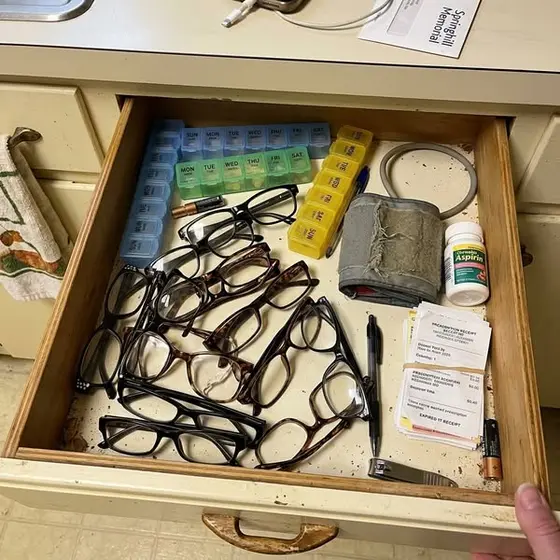
I found my mother's medication list folded inside a Bible in her nightstand the day after we buried her. It was on a piece of yellow legal pad paper, the kind she used for grocery lists, in her tight little handwriting. 14 medications. Doses next to each one. Times of day in the margins. The names of three different cardiologists at the top. She'd been carrying that list in her purse for the last 8 years of her life and I never knew. I sat down on her side of the bed and read it twice. And then I read it a third time. And then I went to her kitchen drawer, the one to the left of the sink where she kept her reading glasses, and I started counting. 14 pairs of cheap reading glasses. The kind from the spinning rack at Walgreens. Black ones, tortoise shell ones, a pair with rhinestones on the temples that I'd never seen her wear. Three pill organizers. One for the week. One for the month. A small one for travel. A blood pressure cuff with the velcro worn soft. A bottle of children's aspirin she'd been chewing one of every morning for as long as I could remember. And my mother, Janelle Adeyemi Carter, had died at 67 of a stroke in the breakfast nook of her own kitchen on a Tuesday morning in February. My name is Tamika. I'm 56 years old. I live in a small ranch house off Old Shell Road in Mobile, Alabama, about 12 minutes from the house my mother lived in for 38 years. I'm a probate paralegal. I have been one for 28 years. I know how to clean out a dead person's house. I've helped clients do it dozens of times. I knew exactly what boxes to bring. I knew which days the Salvation Army would pick up furniture. I knew to bring a Sharpie and label everything for my sisters. What I didn't know was that I would find her medication list in a Bible and have to sit down on the edge of her bed and cry like a child. My mother was not a sick woman. That's the part that I want you to understand before I tell you the rest of this. She walked 2 miles a day around the loop at Langan Park. She made her own collard greens and she didn't put a hambone in them anymore because her doctor told her to cut back on sodium. She went to Sunday service at Stewart Memorial AME. She volunteered Tuesdays at the community library shelving children's books. She drank her coffee black. She didn't smoke. She had two glasses of red wine on Saturday nights and that was it. She was on 14 medications anyway. Three for blood pressure. Two for cholesterol. One for her thyroid. A blood thinner. A water pill. Something for her kidneys because of the water pill. Something for her stomach because of all the other pills. A statin. A second statin when the first one stopped working. And three I had to Google because I'd never even heard of them. This is the part nobody warns you about. Your mother starts taking one pill in her 50s for blood pressure that was "just a little high." By her 60s she's on five. By her late 60s she's on 14 and her cardiologist is talking about adding a 15th. And the whole time she's walking 2 miles a day and skipping the hambone and saying, baby, this is just what people my age have to do. I rode in the front seat of her Buick to her appointments for the last 3 years of her life. I sat in those waiting rooms with the Keurig machine and the year old issues of Coastal Living and I watched my mother nod at every new prescription like she was being handed homework. She'd come out, look at me, and shrug. She'd say, Tamika, what am I supposed to do. He's the doctor. In January, exactly one month before she died, her cardiologist told her her LDL was up again. He said they needed to "explore other options." He used those words. Explore other options. As if a 67 year old woman who was already on two cholesterol medications was supposed to have a hearty appetite for exploration. She had a stroke on February 11. In her breakfast nook. Holding a coffee cup. My father heard the cup hit the floor from the bathroom. She was gone before the ambulance got to Springhill Memorial. 3 weeks after the funeral I went to my own primary care doctor for my annual. I'd been putting it off for 14 months. I knew it. She knew it. My husband Derrick knew it. I'm 56. I work at a desk all day. I do not walk 2 miles around Langan Park. I eat too much takeout from the Vietnamese place on Airport Boulevard because Derrick works late at his shop and I don't feel like cooking for one. I sat in the chair across from Dr. Henley and she pulled up my numbers and her face did the thing. The thing where she's about to tell you something but she's pretending she isn't. She said, Tamika, your LDL is 187. She said, your blood pressure is 142 over 91. She said, your A1C is creeping into a place we need to watch. I started laughing. I actually laughed in her face. Not because it was funny. Because I had buried my mother 3 weeks earlier with 14 pills in her purse and now I was sitting in a doctor's office about to be handed my first prescription. I said, Dr. Henley, my mother just died. She said, I know. I said, my mother was on 14 medications and walked 2 miles a day and died at 67. She said, I know. I said, I am not doing that. I am not doing what she did. Dr. Henley is a good woman. She's about my age. She has a daughter at Auburn. She put her pen down and she looked at me and she said, Tamika, I hear you. But these numbers are real. Let's start with a low dose statin and we'll talk about the rest. She wrote me a prescription. I took it. I never filled it. I drove home from that appointment and I sat in my car in my driveway for an hour and 20 minutes. The car was off. The sun was going down. Derrick's truck wasn't home yet. And I made a promise out loud to my mama that I was not going to walk her road. I started reading that night. I'm a paralegal. Reading is what I do. I read contracts and probate filings and case law for a living, and I am very good at telling the difference between a source that knows what it's talking about and a source that's selling me something. I read for 3 weeks. I read at night after Derrick went to bed. I read on my lunch break in the car. I read studies and forum threads and the boring medical literature that most people don't bother with. I learned a few things I want to share with you because I wish someone had told my mother. What I learned was that the way your body manages cholesterol and the way your body manages blood pressure are not 14 separate problems with 14 separate solutions. They're one problem with one root. The arteries in your body have a thin inner lining. Smooth, slippery, alive. When that lining is healthy, blood flows clean. Cholesterol moves through without sticking. Pressure stays steady because the vessels stay flexible. But there's a process happening inside every adult body where that lining gets irritated. Slowly. Decade by decade. By the time you're in your 50s and 60s, the irritation has been building for 30, 40 years. The lining stiffens. The body responds the only way it knows how, by sending repair cells to patch things up. Those patches are what eventually become the plaque your doctor measures with a number. The cholesterol number itself isn't the disease. It's the smoke. The fire is the irritation in the lining. Statins work on the smoke. They lower the number. They don't do much about the fire. That's why my mother could be on two cholesterol medications and still have her LDL "creeping up" 8 years into treatment. The medicines were chasing the number. The fire was still burning. I read about a lot of things in those 3 weeks. Omega 3s. Fiber. Beet root. Hawthorn. Magnesium. CoQ10. All things I'd heard of. All things that have something behind them but nothing that landed like a real answer. And then on a Saturday morning in late March, sitting at my kitchen table with my second cup of coffee, I came across a research summary about a small green fruit I'd never heard of. Amla. The Indian gooseberry. Grown on trees on family farms across India and Nepal. It has been used in Ayurvedic medicine for something like 3,000 years. It is one of the most concentrated natural sources of a particular kind of vitamin C in the world. But more than that, it carries a family of plant compounds called polyphenols that have been studied for their role in supporting healthy vascular function. The lining of the arteries. The very thing I'd been reading about. The way the research framed it stopped me cold. Amla works on the fire, not the smoke. It supports the arterial lining. It supports the body's own regulation of cholesterol synthesis in the liver. It supports the smooth muscle in the vessel walls that keeps blood pressure flexible instead of stiff. It's not a drug. It's not pretending to be one. It doesn't override the body. It supports what the body is already trying to do. I sat in my kitchen and I cried for the second time in a month. Because what if my mother had known. What if somebody had told her in 1998 when she got that first prescription that there was a 3,000 year old fruit on the other side of the world that worked on the cause and not the symptom. She would have eaten it for breakfast every day for the rest of her life. I went down the rabbit hole all the way that weekend. I found a company in Texas called Alevia. They make a pure amla extract in a capsule. No fillers. No fluff. They source the fruit from family farms in India, they test it independently in the United States, and they put it in a clean capsule with nothing else added. They had a 90 day money back guarantee. I'll tell you the truth because lying to you wouldn't help either of us. I have been burned before. I bought my mother a turmeric supplement from a TV ad in 2019 that did nothing. I bought her fish oil pills the size of my pinky that she gagged on every morning for 2 months. I bought myself an ashwagandha capsule from the vitamin store at Bel Air Mall that gave me a rash on my chest. But this was different. The mechanism made sense. The science was thirty years old, not thirty days. And the guarantee meant if it didn't do anything I wasn't out anything but a few weeks of patience. I ordered a bottle on a Sunday night. It came on Wednesday. I started taking one every morning with my coffee, sitting at the same table where I'd read about it. The first 2 weeks I felt nothing. I almost stopped at day 11. I called my sister Renee in Atlanta and told her about it and she said, baby, give it the full time. Mama always said you don't pull up a plant after 2 weeks to see if the roots are growing. I kept taking it. Week 3, I noticed I was sleeping through the night. I hadn't slept through the night in maybe 6 years. I'd been waking up at 3:14 in the morning like clockwork to use the bathroom and then lying there for an hour. I just stopped doing that. Week 4, my rings fit different. I'd been taking my wedding band off at night for 3 years because my fingers swelled. I forgot to take it off one Tuesday and woke up and it was fine. Week 6, I walked the dog around the block and I didn't have to stop at the corner to catch my breath. I'd been stopping at the corner for so long it had become a habit. I just walked past it. Week 9, I went back to Dr. Henley. I told her I hadn't filled the statin. She started to fuss. Then she pulled up my labs. My LDL had dropped 31 points. My blood pressure was 124 over 79. My A1C was back in the normal range. She sat there with her glasses on the end of her nose and she said, Tamika, what did you do. I told her. I told her exactly what I'd been doing. I told her about Alevia Amla. I told her about the reading. I told her about my mother's medication list in the Bible. She didn't argue with me. She didn't push the statin. She closed my chart and she said, keep doing what you're doing. We'll check again in 3 months. That was 7 months ago. I'm not going to lie to you and tell you I'm a different woman. I'm still 56. I still work at a desk. I still eat too much pho on Tuesday nights when Derrick is at the shop. But I'm not on a single prescription. I take one capsule of Alevia Amla every morning with my coffee. I take a fish oil at night. That's it. That's my whole list. I went to my mother's grave on what would have been her 68th birthday. I sat there on the grass with a coffee from the McDonald's drive thru and I told her everything I'd learned. I told her about the fire and the smoke. I told her I was sorry I didn't know in time. I told her I was going to make sure my sisters knew. I told her I was going to make sure my daughter Jasmine, who is 31 and already has higher blood pressure than I want her to have, knew too. I sat there for an hour and I talked to my mama like she was on the other side of the kitchen table. I'm telling you all of this because if you're a Black woman in your 50s or 60s, if you watched your mother or your grandmother or your auntie disappear into a medication list, if you've been told that the road you're on is just what happens to women like us, please hear me. That is not the only road. There is another one. I am walking it. If you want to look at it for yourself, the company is Alevia. The product is Alevia Amla. They sell it from their own website and they have that 90 day money back guarantee, which is the only reason I had the courage to start. If it hadn't done anything for me I would have sent it back and gone back to square one. I called their customer line one time with a shipping question and the woman who answered was a real person in Texas who didn't rush me off the phone. I take it every morning. My sister Renee takes it now. My cousin Doreen in Birmingham takes it. My daughter Jasmine started taking it last month. Four generations of women in my family have been buried with their pill bottles. I am breaking the chain. If you're sitting in a doctor's office and they're handing you your first prescription and something in your chest is telling you "wait," please listen to that voice. Listen to it before it gets quieter. 90 days. If it doesn't do anything, they send your money back. That's the whole deal. 👉 alevia.com/amla/33 P.S. I want to say this clearly. I'm not telling you to stop your medications. If you're on something, talk to your doctor. I never started mine in the first place, so I had nothing to come off of. But the women I know who have made changes did it with their doctor's involvement, slowly, over months, with their labs checked. Be smart. Be patient. Don't be reckless on my account. P.P.S. My mother's medication list is folded in the front of my own Bible now. I keep it there to remind me what I'm walking away from. Every morning when I take my one capsule with my coffee I think about her. I think about the 14 pairs of reading glasses. I think about the way the cardiologist used the word "explore" like he was inviting her on a vacation. She deserved better. So do you. P.P.P.S. If you have a daughter, please give her a bottle too. Don't wait until she's where I was. Whatever is happening in our blood, in our vessels, in our arteries, it didn't start at 56. It started at 26. The earlier she supports it the easier it stays supported. I wish my mother had known to give one to me when I was Jasmine's age. She didn't know. Now you do. 👉 alevia.com/amla/33

alevia.comLearn more
Placements
FacebookInstagramAudience NetworkThreads
Reach (0 locations)
Not disclosed
Languages
English

Why this ad works

Hook, angle, audience and three ideas to borrow — written by AI from the ad copy.

Similar ads from other brands

InactiveJul 24, 26
40% Off Today

mykorvos.com

40% Off Today

Shop now

I am the on-set medical consultant for an adult film studio. I have personally examined 600 male performers over the last 14 years. About 8 percent of them age in a way the other 92 percent do not — still performing reliably in their late 40s and early 50s with no pharmaceutical help, with recovery times between scenes that match what 25-year-olds should be able to do but usually cannot. The reason that 8 percent ages differently is the same reason most men over 40 in this country are slowly losing function the rest do not have to lose. My name is Dr. Marcus Reilly. I am 56 years old. I graduated from UC San Diego School of Medicine in 1997 and completed my urology residency at Cedars-Sinai in 2002. I spent the first 9 years of my career running a conventional urology practice in West Los Angeles, treating prostate cancer, kidney stones, and the standard parade of erectile dysfunction patients that every urologist over 45 sees more of every year. In 2011 I took on what was supposed to be a part-time consulting role. A friend of a friend ran a large adult film production company in the San Fernando Valley. He needed a urologist who could provide confidential medical care to his male performers — bloodwork, vascular imaging, performance counseling, and the kind of private consultations that performers cannot get from their family doctors without raising questions they do not want raised. I took the contract because the money was good and the work was interesting. I did not expect what I was about to learn. In the 14 years since, I have personally examined and consulted with more than 600 male adult film performers, ranging in age from 22 to 67. I have ordered thousands of vascular ultrasounds, lipid panels, hormone panels, and endothelial function tests. I have followed individual performers for over a decade. I have watched some of them thrive into their late 50s with the vascular profile of men 20 years younger. I have watched others wash out of the industry at 34 with the vascular profile of men in their late 60s. And what I have learned in this unusual practice has completely changed how I understand erectile dysfunction, cardiovascular aging, and the medications the rest of the urology profession is prescribing. I am writing this because I am no longer willing to keep what I have learned inside the walls of a private studio. The pattern I have been documenting for 14 years applies to every man over 40 in this country, not just performers. And the medical profession has been treating it wrong for as long as I have been licensed. Let me start with what I see. Adult film performance is essentially a stress test for the vascular system. A male performer has to produce a full, sustained, reliable erection on demand, in front of cameras, under bright lights, sometimes multiple times in a single day, sometimes after only 90 minutes of recovery between scenes. Most men reading this could not do that even once in optimal conditions. Professional performers do it for a living. This means that performers' vascular systems are exposed to demand that the average man's vascular system never sees. And that means I get to watch vascular aging in fast-forward. A 28-year-old performer who is struggling with his second scene of the day has, biologically, the vascular response of a 45-year-old desk worker. A 45-year-old performer who is still doing reliable single-scene work has, biologically, the vascular response of a 30-year-old desk worker. The same body. The same age on paper. Completely different vascular age underneath. For 14 years I have been documenting which performers age well and which do not. I have been ordering bloodwork on them. I have been doing vascular imaging. I have been following the same individuals across decades. And I have learned three things that contradict almost everything we are taught in urology residency. The first thing I have learned is that erectile dysfunction is not a sexual disease. It is a vascular disease that happens to express itself sexually first. The penis has the smallest, most fragile arteries in the male body. When the vascular system starts constricting, the penis fails first because its tiny vessels are the first to feel the loss of blood flow. Everything else — the heart attack at 58, the stroke at 62, the kidney decline at 65 — comes later. ED is not an embarrassing aging problem. It is the earliest warning shot from a cardiovascular system that is already in decline. The second thing I have learned is that the standard treatments are not treating anything. Sildenafil and tadalafil — Viagra and Cialis — do not repair vessels. They force them open chemically for a few hours by inhibiting an enzyme called PDE5. The underlying constriction continues. The dose has to creep up over the years. Eventually the maximum dose stops working. I have watched performers go through this cycle in fast-forward, and I have watched my private practice patients go through it in slow-forward. The trajectory is the same. The drug does not heal anything. It just buys you time before the failure becomes irreversible. The third thing I have learned, and this is the thing that changed how I practice, is that there is a small group of performers — about 8 percent of the ones I have followed long-term — whose vascular function does not decline with age. They are still performing reliably in their late 40s and early 50s, with no medication, with no injections, with recovery times between scenes that match what 25-year-olds should be able to do but mostly can't. I started studying these men. I ran bloodwork comparisons. I imaged their vessels. I interviewed them about their habits, their diet, their supplement use, their training. And the pattern I found is the reason I am writing this. The performers who aged well had one thing in common that had nothing to do with genetics, diet, or training. Their autonomic nervous systems were regulated. The 92 percent who declined were all, without exception, running in a chronic state of sympathetic overdrive — what most people call fight-or-flight. Let me explain why this is the whole game. Your blood vessels do not open on their own. They open on a signal, and that signal is controlled by your autonomic nervous system — the unconscious system that runs your heart rate, your digestion, and the diameter of every artery in your body. It has two settings. Sympathetic, the stress state, which constricts vessels and shunts blood toward your muscles and heart to prepare you to fight or run. And parasympathetic, the recovery state, which relaxes vessels and allows full blood flow to return — including to the vessels responsible for an erection. An erection is, physiologically, a parasympathetic event. It can only happen when the body is in the recovery state. This is not opinion. This is first-year medical physiology. A body locked in the stress state physically cannot produce a reliable erection, no matter how much desire is present, no matter what the testosterone panel says. The 8 percent who aged well spent their lives in a regulated nervous state. Their vessels received the "open" signal cleanly, on demand, and recovered fast between events. Their vascular age did not match their chronological age because their nervous systems never got stuck in the state that keeps vessels clamped shut. The 92 percent were the opposite. Chronic stress — the pressure of the work, of money, of life — kept them locked in sympathetic overdrive. Their vessels stayed constricted. By 35 most of them were already needing pharmaceutical help. By 40 most of them had washed out of the industry. Once I saw this pattern, I started looking for it in my regular urology practice. It was there. It was everywhere. Every man over 40 with ED who was sitting in my exam room had the same problem the failing performers had. A nervous system stuck in the stress state. Constricted vessels. Collapsed blood flow. The pharmaceutical pills I was writing were not addressing any of it. They were forcing the vessels open chemically while the nervous system that controlled them stayed jammed in the wrong gear. I started telling these patients the truth. That their problem was not their age, not their testosterone, not their head. It was an autonomic nervous system that had forgotten how to leave the stress state. And that if we could get them out of sympathetic overdrive, their vessels would do what they were designed to do on their own. And then I started telling them about the thing the 8 percent had figured out — most of them without knowing the science behind it. Deep pressure. This is the part where most patients look at me sideways, the same way I did when one of my long-term performer patients first told me about it 11 years ago. He wore a heavy dark stone bracelet on his wrist. Never took it off. Even on set. He told me it was the only thing that had ever "shut his body up." I nearly dismissed it. But the science is not a joke. Continuous deep pressure on the body is one of the few things clinically shown to shift the autonomic nervous system out of sympathetic overdrive and into the parasympathetic recovery state. It is the documented mechanism behind weighted blankets, behind the deep-pressure therapy used for anxiety, PTSD, and surgical recovery. Constant, gentle, physical weight tells the nervous system, at a level below conscious thought, that the threat is over. Cortisol falls. The stress state releases. And the vessels the stress state was holding shut are finally allowed to open. The performers who aged well were, independently, all doing some version of this. Some used weighted therapy. Several of them wore dense stone — specifically hematite, one of the heaviest minerals worn on the body — against the pulse, 24 hours a day. They did not know they were regulating their autonomic nervous systems. They just knew that when they wore it, their bodies worked, and when they took it off, the old problems crept back. I started studying it. And here is the catch — the catch that fooled me for the first 18 months I started recommending this to my regular patients. Most of it does not work. I had patients who came back after 6 weeks wearing "hematite bracelets" they had bought online and told me they felt no difference. I was confused. The mechanism was clear. Deep pressure regulates the nervous system. Why was it not working for them? The answer turned out to be a delivery problem — just like the performers had warned me about. Deep pressure only works if the pressure is real. And almost everything sold online as a "hematite bracelet" is not hematite at all. It is plastic beads with a thin metallic coating, or low-density composite, weighing 5 to 8 grams. That is not enough mass to produce any meaningful proprioceptive signal. You are wearing decoration. Your nervous system does not even register it. For the deep-pressure mechanism to actually shift the autonomic state, the stone has to meet a specific threshold of density and weight. The performers who aged well had, independently, all figured this out. They were not wearing $8 accessories. They were wearing solid, heavy, genuine hematite — real iron-rich stone, cold to the touch, heavy enough to be felt with every movement of the wrist, worn continuously so the signal never stopped. Once I understood the density problem, I started directing my regular urology patients to do the same thing. To stop wasting money on painted plastic and get real stone on their wrist, worn 24/7. The results started to move. The patients who had been stuck on increasing doses of Cialis for years started reducing them under the supervision of their other doctors. And then about 18 months ago, I found a company that had finally made this correctly in a single product. They are called Korvos. The product is a bracelet of solid carved hematite, and the reason I now recommend it specifically is that it solves the problems that make almost every other version useless. First, it hits the weight threshold. 30 grams of genuine stone. Heavy enough that your nervous system actually registers the continuous pressure, instead of ignoring it the way it ignores a plastic bead. Second, it is real iron-rich hematite — roughly 70 percent iron oxide — not coated composite. It is cold to the touch because it is genuine mineral, and that density is the entire point. The weight is the medicine. Third, it is built to be worn 24/7. A reinforced cord, because the autonomic nervous system does not respond to an hour of pressure. It responds to a constant signal, all day and all night, until the stress state finally releases and stays released. Fourth, there is nothing to swallow, nothing to prescribe, and nothing that interacts with the blood pressure or heart medications so many men over 40 are already taking. For a physician, that last point matters more than you know. Most of my patients are already on two or three prescriptions. I cannot recommend anything that fights with them. This fights with nothing. I wear one myself. I have for the last 14 months. My vascular ultrasound last quarter showed arterial elasticity better than it was when I was 47. I am 56. I gave one to my older brother, who is 63 and was facing prostate surgery. His urologist last month said the same thing my colleagues say when their patients respond. He said, "Whatever you are doing, keep doing it." Here is what I want you to take from this letter. If you are a man over 40 and you have noticed that the response is not what it used to be — that the first attempt is not as immediate, that the second attempt in one night is harder than the first, that recovery time is creeping up, that you need more mental focus to make things work than you used to — what you are experiencing is not aging. It is your autonomic nervous system stuck in the stress state, and the vascular constriction that comes with it. It is the same thing the failing 35-year-old performers in my studio clinic are experiencing 5 years before their bodies will visibly age in any other way. The vessels in the most vulnerable part of your body are the first to feel it. That is your earliest warning signal. And if you do nothing about it, the same vascular constriction is going to show up next in your heart, your kidneys, your eyes, and your brain. The pills the urology profession will offer you are not going to stop any of it. They are going to mask the symptom while the underlying problem compounds. But the nervous system is not broken. It is just stuck. It can be shifted back. And the mechanism that shifts it has been hiding in plain sight in the deep-pressure research for over 15 years. If you want to try Korvos, you can order it from the official website at mykorvos.com. It is $30, and the company offers a 30-day money-back guarantee. Wear it every day for a month, and if you do not notice the changes I am describing — deeper sleep, a calmer baseline, faster response, more consistent morning function, a system that just works the way it used to — send it back, and they will refund every penny. Here is what I have learned to tell my patients about timing. Week 1, you will probably notice you are sleeping deeper and grinding less. The nervous system is beginning to release. You will not feel it in the bedroom yet. Week 2 to 3, you will start to notice that morning responses are more consistent. Not necessarily stronger. Just more reliable. Every morning instead of most mornings. Week 4 to 5, you will notice that the mental-to-physical connection is faster. You think about something and your body responds in 20 seconds instead of 2 minutes. Week 6 to 8, you will notice that recovery time between events has dropped. If you used to need 24 hours, you will need 12. If you used to need 4 hours, you will need 90 minutes. By week 10 to 12, the whole system will work the way it used to work when you were younger. Immediate response on the first signal. Fast recovery. No wondering if it is going to work. It just works. This is what nervous system regulation looks like. It is what the 8 percent of performers who aged well were getting their entire careers, and what the other 92 percent never knew was available to them. I am 56. I have spent 14 years watching this play out in slow motion and fast motion at the same time. The men who get their nervous systems out of the stress state age differently. The men who do not, fail predictably. Right now, your nervous system is probably stuck. Jammed in the stress gear, holding your vessels shut, running at a fraction of the blood flow you had at 25. That is why the response is slower than it used to be. That is why recovery takes longer. That is why the second attempt is harder than the first. The system is not gone. It is just stuck. You can shift it back. The 30-day guarantee means you find out at zero financial risk. If you have noticed the early signs, do not wait. The window is open right now. In 2 years it will be smaller. In 5 years it may be closed. Click the link below. Order one. Put it on and never take it off. Pay attention to your sleep, your morning function, your response time, and your recovery between events. If after a month you have not seen what I am describing, send it back. You will have lost nothing. If after a month you have seen it, you will know what I have known for 14 years. You will know what the 8 percent of performers who aged well figured out the hard way. And you will start telling the men in your life — your brother, your father, your best friend, your son — what almost no doctor in this country is willing to tell them. The link is below. mykorvos.com Your vessels are waiting. — Dr. Marcus Reilly, MD Board-Certified Urologist, 23 years in practice On-set medical consultant, 14 years

InactiveJul 23, 26
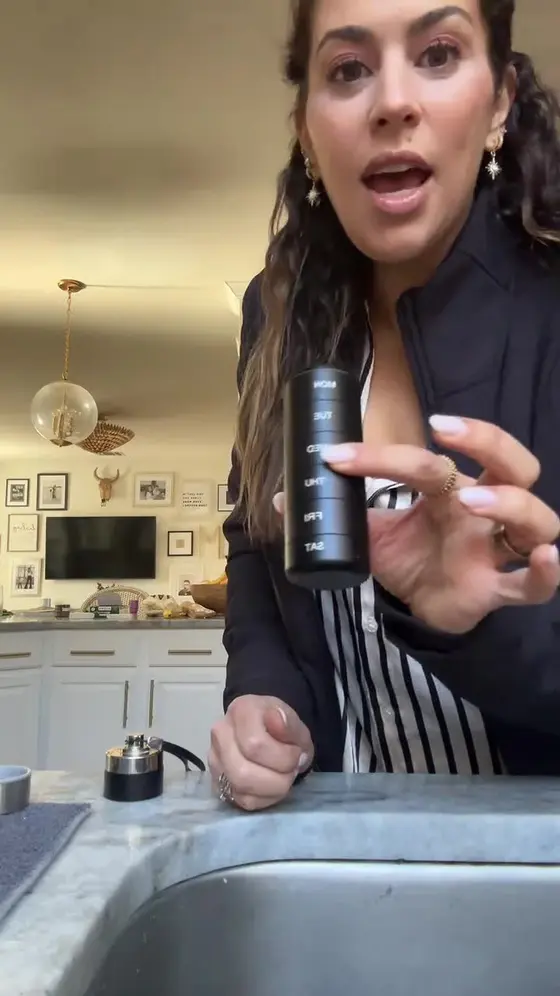
💊📅 Stay Organized, Stay Healthy — Never Miss a Dose Again! ✅

Meet the Large…
Video

m.lifesparking.com

Shop now

💊📅 Stay Organized, Stay Healthy — Never Miss a Dose Again! ✅ Meet the Large Weekly Pill Organizer — perfect for keeping your vitamins, supplements, and medications in check! 🌟 With its spacious compartments and easy-to-read layout, managing your weekly routine has never been simpler 😍

InactiveJun 29, 26
Nutrition Where It Matters Most
Video

themicrolabs.com

Nutrition Where It Matters Most

Shop now

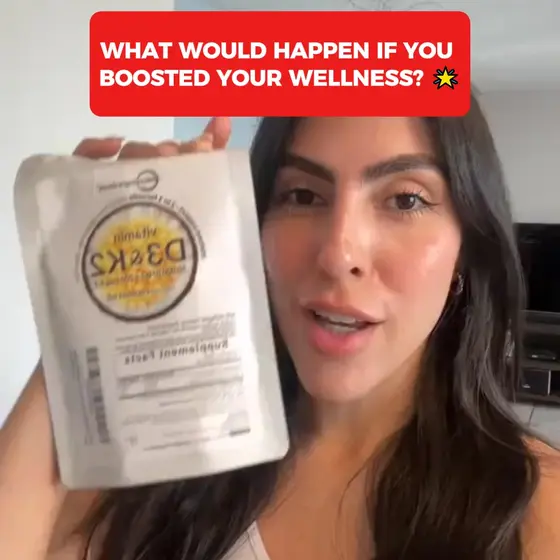
Ever wonder why you still feel tired even after rest? ✅ Vitamin D3 supports energy & mood ✅ K2 helps your body move nutrients where they matter most ✅ Daily balance without complicated routines Buy 2 Get 1 Free — make every day a whole-body day.

InactiveJun 29, 26
My mother did everything her oncologist said. She died anyway 👉

gonaturalgoods.com

My mother did everything her oncologist said. She died anyway 👉

See details

I'm going to lose my f*cking mind if one more person tells their mother with breast cancer to "just do the chemo and stay positive" and thinks that's enough. Or tells their father with stage 3 colon cancer "the oncologist knows best, just trust the protocol." Or posts in one of these cancer support groups asking "what should I give my parents alongside treatment?" and gets 40 comments saying "turmeric" and "CBD oil" and "have them eat organic." YOU ARE NOT DOING ANYTHING WRONG. AND NEITHER WERE THEY. Chemotherapy is 30-40% effective for most solid tumors. That means 6 out of 10 times, it fails. Your mother did the chemo. Your father did the radiation. They're still progressing. They're still ending up in hospice. They're still dying. Because cancer cells have abnormal metabolism. And chemotherapy doesn't target that specifically. Nothing you've given them does. My name is Sarah Mitchell. I'm 48. I live in Arlington, Virginia. And my mother died in a hospice bed on September 14th because I did exactly what you're doing right now — I told her to trust her oncologist and do the chemo and I thought that was enough. It wasn't enough. She was 71. Linda Mitchell. Mom. Lived alone since my dad died in 2016. Called me every Sunday at 9 AM for 25 years. Got her mammogram every year. Ate organic. Took her vitamins. Did yoga. Did everything right. Everything everyone told her to do. And stage 3 breast cancer killed her in 11 months. Because none of it — not the chemo, not the radiation, not the organic food — targeted the cancer where it actually lives. The mitochondria. The cellular energy factory. The place where cancer cells produce energy differently than normal cells and chemotherapy barely touches. That "minor fatigue" your mother mentioned two months ago? That wasn't early stage. That was her immune system already failing. The cancer had been growing for months, maybe years. By the time the scan showed a 3.2cm tumor — the invasion was months old. And nothing you gave her was stopping it at the cellular level. I need you to understand this because I didn't understand it until my mother was unconscious on morphine with her hand going cold in mine while I whispered "I'm sorry" for things I didn't even know I should have done. Let me tell you what I did AFTER the funeral. I went to Whole Foods. I stood in the supplement aisle for 35 minutes. I read every label. I picked up every bottle. And I researched every single one. Turmeric. Curcumin. Nature Made. Life Extension. Anti-inflammatory. That's it. Reduces inflammation around cancer cells. Does not kill a single cancer cell. Not one. Not a fraction of one. My mother took 2,000mg daily and believed she was fighting cancer. She was reducing inflammation while cancer cells multiplied. CBD Oil. Full Spectrum. Broad Spectrum. Pain relief. Anxiety reduction. That's all. Does not target cancer metabolism. What it DOES do in people over 65: drowsiness. Interaction with medications. I gave this to my mother during treatment. She slept 16 hours a day and could barely stay awake when I visited. That's what CBD gave her. Essiac Tea. Four-herb formula. Alternative medicine staple. Beautiful marketing. Then clinical studies: no effect on tumor growth. My mother drank it three times daily for $48 per month. Her tumor went from 3.2cm to 4.8cm in three months. The tea did nothing while the cancer grew. Vitamin C. High-dose. Emergen-C. Immune support. Antioxidant. My mother was already on chemo. Her oncologist said high-dose vitamin C could interfere with treatment. But people recommend it in support groups every single day like it's harmless. To 70-year-olds on carboplatin. "Just take vitamin C." Green Tea Extract. EGCG. Resveratrol. Medicinal Mushrooms. Water pistols at a forest fire. My mother took them religiously. She was a $127-per-month customer at the supplement aisle. None of it touched the cancer where it actually metabolized energy. $127. That's what was on her counter and in her bathroom. $127 worth of supplements, all recommended by people like you and me, and not one — NOT ONE — targets cancer cell mitochondria at the point of energy production. I threw it all in the trash in the Whole Foods parking lot. A woman loading her car stared at me. I was holding a bottle of turmeric over a garbage can and crying in 38-degree weather and I'm sure she thought I was losing my mind. I was. My mother was dead because everyone told her the right things and all the right things were pointed at the wrong target. After six weeks of not sleeping, Maria called me. Maria Santos. My mother's hospice nurse. Three days a week. 39. From the Philippines. Loved my mother. Voice shaking when she spoke. "Miss Sarah. I have another patient. Mrs. Chen. 76. Stage 3 ovarian cancer. Her daughter started her on something last year. Not CBD. Not turmeric. Something called soursop extract. From Southeast Asia. Like what Filipino healers used for generations." She paused. "Her tumor markers dropped 60% in four months. Her oncologist called it 'unexpected response.' CA-125 went from 680 to 240. Four months. I've never seen that without chemo working perfectly." Then the sentence that broke me: "If I had known when Miss Linda was alive, I would have brought it to her myself every visit." I went home and I researched. Every cancer cell — breast, colon, lung, ovarian, the next one nobody's studying yet — has abnormal mitochondrial metabolism. It produces energy differently than normal cells. Relies on specific pathways. Chemo tries to kill all rapidly dividing cells. But it doesn't specifically target the metabolic abnormality. The mitochondria is the engine room. Nothing at Whole Foods shuts down the engine room. The chemo doesn't target it specifically. Turmeric doesn't target it. CBD doesn't target it. Vitamin C supports general immunity. Essiac tea does nothing. Green tea extract is a mild antioxidant. Every supplement I gave my mother was treating symptoms while the actual cancer metabolism ran unchecked. Then I found what acetogenins from soursop actually do. They're compounds found in soursop fruit. Used in Southeast Asian traditional medicine for generations. They inhibit Complex I in mitochondria — the exact pathway cancer cells depend on for energy production. Cancer cells can't produce energy. They die. Normal cells have metabolic flexibility. They adapt. They survive. Research from Johns Hopkins. Memorial Sloan Kettering. Published studies showing up to 76% growth inhibition in certain cancer cell lines. And nobody put it in a bottle for my mother. I called Dr. Ramirez. My mother's oncologist for 18 months. Long pause. "Sarah. Your mother's tumor had high metabolic activity on the PET scan. If there had been a compound specifically targeting mitochondrial Complex I — reducing cancer cell energy production while chemo worked — her immune system may have been able to control the disease better. She was strong for her age." Another pause. "There is a real possibility the outcome would have been different." A real possibility my mother would be alive. Because of a $59 extract that research has validated for decades and nobody told us. I went looking for it. Soursop supplements. I found 11 brands. I researched every one. Sent samples to an independent lab. Amazon Soursop Capsules: Powder-based. Heat-dried. Lab test showed 0.6% acetogenins. Label didn't even list a percentage. Worthless. Another supplement with marketing. Whole Foods Graviola: Low-concentration extract. Underdosed. Lab showed 1.2% acetogenins. Research requires 10-15% for therapeutic effect. Underdosed by 90%. GNC Soursop: No third-party testing. No certificate of analysis. Label said "graviola extract." No way to verify concentration. Could be anything. Amazon Brand A: Same. Mislabeled. One review said "this doesn't seem to do anything." Because it probably doesn't contain real acetogenins. NaturalHealth Soursop: Heat processing destroyed active compounds. Lab confirmed degraded acetogenins. Oxidized. Basically inert. VitaSoursop: Contamination. Heavy metals. Arsenic 4x safe limit. Generic health store brand: Fillers. Rice starch. Magnesium stearate blocking absorption. Ten products. Ten failures. Underdosed, contaminated, degraded, or not even real soursop extract. Then I found Go Natural. Skeptical. Obviously. After turmeric failed my mother. After CBD made her drowsy. After every supplement either did nothing or made things worse. But I ordered it. Cold-pressed liquid extract. Standardized to 15% acetogenins. The same concentration used in research studies. Third-party tested. Certificate of Analysis published. No heat processing. Preserved in amber glass. I stood in my kitchen and took it. Under my tongue. Waited for the bitterness. Waited for the burn. Waited for side effects. Nothing. Mild earthy taste. Gone in 30 seconds. No burn. No nausea. Nothing like the pills my mother choked down. Two dropperfuls. Three times daily. 30 seconds under the tongue. Eight weeks later my friend Karen called. Stage 3 breast cancer. 3.8cm tumor. ER-positive. Scheduled for chemo. Karen stood in my living room. "Sarah, are you sure? My oncologist said supplements interfere with treatment." I looked at her and I thought about my mother. She would have tried anything to avoid what chemo did to her body. Because that's what you do when you're fighting for your life. And she died because she trusted the protocol and nobody gave her something that actually targeted cancer metabolism. "Talk to your oncologist. Show them the research. But don't do what I did. Don't just accept that chemo alone is enough." Karen started Go Natural alongside her chemo. Two dropperfuls, three times daily. Three months later. Her tumor marker dropped from 185 to 48. PET scan showed 60% reduction in tumor size. Her oncologist said "excellent response to treatment." Karen finished chemo. Kept taking Go Natural. Two years later. No recurrence. Tumor markers normal. Same cancer type that killed my mother 18 months earlier. Different approach. The only difference: Karen targeted the mitochondria while chemo did its work. Maria uses it with her hospice patients now who are still trying. Works with families every day. Three patients have had "unexpected improvements" this year. Carol, my neighbor — 68, stage 2 colon cancer — was terrified of chemo. I gave her information about Go Natural. Six months later she called me crying. "Sarah, my CEA dropped from 98 to 23. My oncologist said I'm responding better than expected." Father Tom at St. Catherine's — 64, prostate cancer — "If Linda had known about this, she might still be calling you every Sunday." Karen takes it every day. Doesn't talk about Mom. That's her kindness. But she uses the extract. Every day. You don't need a prescription. You don't need your oncologist's permission to add immune support. Soursop extract is not a drug. It's a plant-based compound that's been researched for decades and reformulated to pharmaceutical-grade standards. If she'd known. But don't buy random soursop supplements from Amazon or Whole Foods. I tested 11 brands. 10 were underdosed, contaminated, degraded, or not even real soursop. The only one that passed every test — the only one I trust — is Go Natural. Cold-pressed. Standardized to 15% acetogenins. Third-party tested. Certificate of Analysis available. Right now, they're running a Buy 2 Get 1 Free deal—three bottles for $59. 90-day money-back guarantee. Free shipping. 👉 https://gonaturalgoods.com/products/organic-soursop-extract-1 If you are the person telling your mother to "just do the chemo and stay positive." If you are the person recommending turmeric in a support group. If you are the person who thinks CBD oil is protecting your 70-year-old father's immune system. You are doing what I did. You are treating inflammation. The cancer metabolism is running unchecked. $59 for three bottles. The turmeric your mother takes costs $22 and it's 0% effective against cancer cells. The Whole Foods aisle cost her $127 and none of it targets mitochondria. The chemo costs $150,000. The hospice cost $12,000. The funeral cost $9,200. $59. Start today. Not after the next scan. Not after you "talk to the oncologist." Today. Because cancer cells are multiplying right now with abnormal metabolism that chemo alone may not stop. Every day you wait is a day the mitochondria keep producing energy for cancer growth. Sarah Mitchell 48, Arlington, VA P.S. — My mother did everything right. Mammograms every year. Organic food. Yoga. Vitamins. Trusted her oncologist completely. She died in hospice 11 months after diagnosis with her hand going cold in mine while I apologized for things I didn't know I should have done. The extract costs $59 for three bottles. She spent more than that on turmeric that prevented nothing. If your parent has cancer — if your mother says "the chemo is working" — send them this. Don't do what I did. Don't wait. P.P.S. — I tested 11 soursop brands. 10 failed — underdosed (0.6-1.2% instead of 15%), contaminated with arsenic, heat-destroyed, or not even real soursop. Amazon brands had no third-party testing. Whole Foods brand was 90% underdosed. The only brand that passed: Go Natural. Cold-pressed, 15% acetogenins, third-party tested, pharmaceutical-grade. I researched this for six months after my mother died. Karen uses it. Maria recommends it. Carol uses it. Father Tom uses it. Only buy from: https://gonaturalgoods.com/products/organic-soursop-extract-1

Track Cholesterol Support Group and get alerts for new ads

Create a free account to follow brands, save ads and search the full library.