PixelSpyer

AliExpress ad: 10Pcs Artificial Flower Pampas Grass Fake Plant Reed Wedding Decoration Flowers…

10Pcs Artificial Flower Pampas Grass Fake Plant Reed Wedding Decoration Flowers…
6
AliExpress

Company, 41.9M followers, 10 ads in library

InactiveHealth & SupplementsCarouselLibrary ID 1778554386440162
Launched Jun 26, 2026Run time unknown

New ads are still being tested; watch whether it survives past 30 days.

Ad copy

10Pcs Artificial Flower Pampas Grass Fake Plant Reed Wedding Decoration Flowers Blue Pampas Bouquet

🎉 Huge Sale! 🎉 Up to 80% off everything! Don't miss out—buy your favorites now! 🛒 Only for a limited time!

play.google.comShop now
Placements
FacebookInstagramAudience NetworkMessengerThreads
Reach (7 locations)
🌍 Worldwide🇬🇫 French Guiana🇷🇪 Réunion🇧🇬 Bulgaria🇨🇾 Cyprus🇷🇴 Romania🇲🇹 Malta
Languages
English

Why this ad works

Hook, angle, audience and three ideas to borrow — written by AI from the ad copy.

Similar ads from other brands

InactiveJun 29, 26
Support stamina and heart health every day

track.tryrosabella.com

Support stamina and heart health every day

Learn more

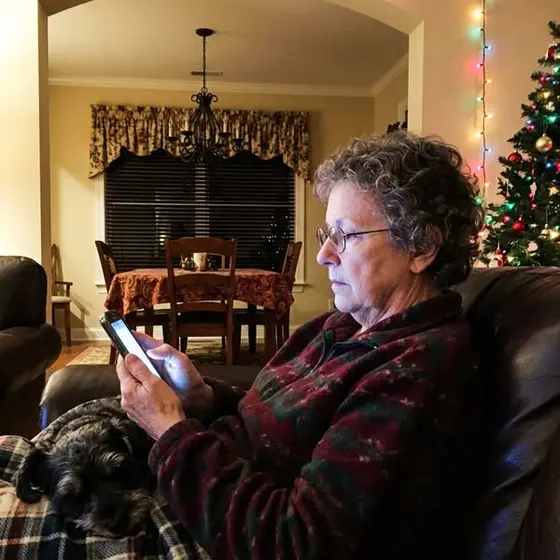
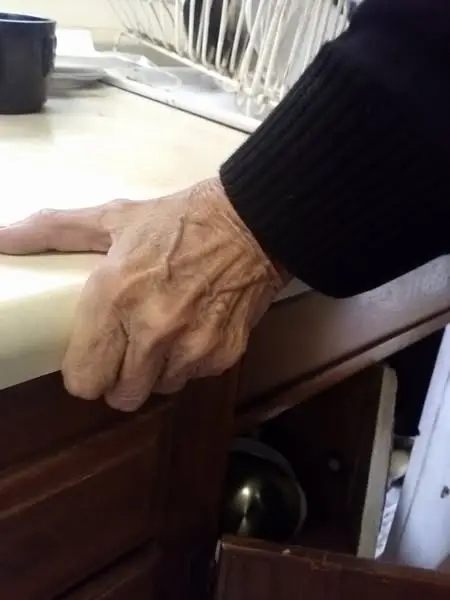
I Caught My Reflection in a Bakery Window Last March and Didn't Recognize the Way I Was Standing. I want to share what I've been doing the last few months, because my sister asked me about it on the phone last week and I realized I'd never said it out loud to anyone. I'm 62. I went through menopause at 51. The hot flashes faded after a couple of years. The sleep got mostly normal again. For about seven or eight years after that, I thought I'd come out the other side. I was teaching full-time then. Elementary school. Third grade, mostly. The kind of work that doesn't let you sit down for long stretches and doesn't let you be tired in front of the kids. I retired at 60. I picked up a few hours a week tutoring kids in reading. It keeps me in the work without the exhaustion of a full classroom. My husband Steve and I have been married 38 years. Two grown kids. Three grandchildren — six, four, and almost two. That's the bio. That's not really what I came to tell you. What I came to tell you started somewhere around my fifty-eighth birthday. It wasn't anything dramatic. It was a slow drift. I started getting cold in rooms other people weren't cold in. I started reading two fewer pages of my novel before falling asleep at night. I started suggesting we take the elevator at the movie theater instead of the stairs to the upper level — the same stairs I'd taken without thinking about for thirty years. I started telling my daughter, when she asked me to come along to the playground with the grandkids, that maybe next time. It was small. It was so small I didn't really see it as a pattern. I just thought: I'm 58, then I'm 59, then I'm 60, and this is what those numbers feel like. Last March I was downtown picking up a birthday cake for my husband. It was a Tuesday morning, gray and cold. The kind of late-winter day when the sidewalk is still salt-stained from the last snow. I walked from where I'd parked to the bakery — three blocks. It used to be a quick walk for me. That morning it felt like work. The bakery is in an old brick building with a big plate-glass window facing the street. I stopped in front of it to read the menu. And I caught my own reflection in the glass. For about three seconds I didn't recognize the woman I was looking at. She was leaning forward a little at the shoulders. Her hand was on the door handle the way you'd put your hand on a railing — to steady yourself, not to open something. Her chin was tucked down toward her collarbone. She looked tired in a way I hadn't realized I'd started to look. I stood there in front of that bakery window for what felt like a long minute. I straightened up. I rolled my shoulders back. I lifted my chin. I looked at the reflection again. That was the woman I was used to seeing. The one I'd just been looking at — the woman who'd been standing on that sidewalk three seconds earlier — was someone else. Someone who had been quietly taking over the way I held my body and I hadn't noticed. I bought the birthday cake. I drove home. I didn't tell Steve about the bakery window. I sat with it for a few days. I started paying attention. I noticed I was bracing the kitchen counter with one hand when I bent to get a pan out of the lower cabinet. I noticed I was sitting down on the bench in our front hall to put my boots on instead of leaning against the wall the way I had for thirty years. I noticed I was asking Steve to bring the groceries in from the car. I noticed I'd stopped pushing the grandkids on the backyard swing because the standing-and-pushing made my legs ache. None of it was a problem. All of it was something. I went to my doctor. Dr. Okafor has been my doctor for about nine years. She's a careful, unhurried woman. She listens. I told her the bakery window story. I told her about the bracing and the bench and the swing. I told her I wasn't depressed. I wasn't unhappy. I wasn't dealing with anything in particular. I was just slower and quieter than I used to be, and I'd seen myself standing differently in a bakery window and it had unsettled me. She listened the whole way through. She ran a comprehensive workup — full lipid panel, thyroid, vitamin D, B12, iron, blood sugar, cardiac markers. A week later she called me herself. She said: "Your bloodwork is fine. Vitamin D is on the low end of normal. Everything else is right where I'd want it for a woman your age." Then she said something I've been thinking about ever since. She said: "Linda, a lot of what you're describing is what we see in women who are ten or twelve years post-menopause. The estrogen that supported your cardiovascular system for decades has been gone for a while now, and the body has been adjusting to that. For some women that adjustment is smooth. For others it's a stretch of years where they feel slower and quieter and colder than they used to. It's not a disease. It's not a deficiency. It's a chapter of the body's life that doesn't have a single prescription answer." She talked about the foundation. Movement — keep walking, add a little resistance work if I could. Sleep — protect it. Sunlight when I could get it. Social connection. A thoughtful approach to what I was putting in my body — more vegetables, more antioxidant-rich food, plenty of water. She said: "If you want to add one thoughtful thing supplementally, I won't argue with it. Just call the office first so we can check for interactions. And don't expect a switch to flip. Expect a foundation to slowly hold you a little better." I thanked her. I drove home thinking about the word foundation. I'm not someone who jumps into supplements. I've watched my sister buy a bag full of pills from every health-food store she's ever walked into, and a month later they're under her bathroom sink and she's onto the next thing. I wanted to add one thing. One thoughtful thing. I sat with it for a few weeks. I did some reading. About a month after the bakery window, I went to breakfast with my friend Constance at the diner we've been meeting at every other Saturday for almost twenty years. I told her about the bakery window. About the bracing. About the swing. She listened the way Constance listens, which is over a cup of coffee with both hands wrapped around the mug. When I was done she set her coffee down. She said: "I want to tell you something, but I want you to know I'm not selling anything and I'm not promising anything." I said okay. She said her sister-in-law — a woman in her late sixties who'd been through a similar stretch of years — had added a beetroot supplement to her morning about a year ago with her doctor's approval. Constance's sister-in-law said it was part of what had helped her come back to herself. Not the whole thing. Part of it. Constance said the brand was something called Rosabella. A small farming community out in Lancaster County. She said she wasn't telling me to try it. She was telling me it was a thing her sister-in-law had done and felt good about, and she thought of me when I described the bakery window. I asked her to text me the name. She did. I went home that afternoon and did some reading. What I learned was that beetroot has been studied for decades for cardiovascular wellness and for supporting the body's antioxidant systems. The active compound is something called betalains — that deep crimson red pigment that stains your cutting board when you slice a beet. Betalains are one of the more potent antioxidants in the food supply, and they have a particular affinity for the cardiovascular system. They support the body's natural antioxidant balance. They support healthy circulation. They're part of the family of plant compounds researchers have been studying for their role in supporting cardiovascular wellness during the years after menopause, when the body's natural support systems shift. Beetroot is a structure-function ingredient, not a medication. It supports healthy cholesterol levels already within the normal range. It supports healthy circulation. It doesn't replace anything else you're doing — it works alongside it. That last part is what made me comfortable. I wasn't going to replace anything Dr. Okafor had recommended. I was going to add one thing to what I was already doing. Before I ordered, I called Dr. Okafor's office. I told the nurse what I was thinking. Told her the brand. Told her the dose on the bottle. Told her the only thing I take is a daily multivitamin and a low-dose vitamin D capsule. She talked to Dr. Okafor and called me back the next day. She said it was a sensible thing to add. No interactions to worry about. Have me mention it at my next visit. I ordered the bottle. When it arrived, I noticed the color of the capsules before anything else. A deep, almost-purple red. The reading I'd done explained why — Rosabella cold-presses their beets at low temperatures, which takes longer but preserves more of the betalains. That deep color is the visible marker of the active compound being intact. I set the bottle on my kitchen counter next to the coffeemaker. The next morning I put one capsule on the saucer next to my mug and took it with my first sip. I'm not going to tell you something happened in seventeen minutes. I don't think these things work like a switch flipping. What I will tell you is what I noticed over the next couple of months. The first thing was small. I caught myself, about three weeks in, carrying both bags of groceries into the house from the car in one trip instead of two. I didn't decide to do it. I just did it. I was already standing on the porch with both bags before I realized I hadn't asked Steve to come help. The second thing was the bench in our front hall. I started putting my boots on standing up again. Leaning against the wall, the way I used to. I didn't realize I'd stopped using the bench until I stopped using it. The third thing was the swing. I was at my daughter's house in June for a Sunday afternoon and my six-year-old grandson asked me to push him on the swing. I pushed him for almost ten minutes. My legs didn't ache. I came inside and sat at my daughter's kitchen island and drank a glass of water and felt the kind of pleasant tiredness you feel when you've done something physical instead of the kind of bone-deep tiredness I'd gotten used to. About four months in, I caught my reflection in a different window. This one was the window of a flower shop on the same downtown street as the bakery. I was walking past it on a Saturday morning to pick up something for Steve. I stopped in front of the glass. I looked at the woman in the reflection. Her shoulders were back. Her chin was up. Her hand wasn't on a railing. She looked like me. I stood there for a second and I'll tell you the truth — my eyes filled up. I'd thought the woman I'd seen in the bakery window in March was the woman I was now. She wasn't. She'd been a woman who'd been quietly slipping for a few years and I'd let her, and I'd assumed she was the new normal. She wasn't the new normal. She was the bottom of a stretch I'd been in. I walked into the flower shop and bought a small bunch of tulips and walked back to my car and drove home and didn't say anything to Steve about it. Some things you keep for yourself for a while before you say them out loud. At my next appointment with Dr. Okafor, my bloodwork was the same as it had been in March. Good. Where she wanted it. She didn't change anything. She didn't put me on a prescription. She asked me how I'd been feeling. I told her. The groceries. The boots. The swing. The flower shop window. I mentioned the beetroot. Same brand, same dose, every morning. She nodded. She said it sounded like a reasonable addition and she was glad I'd called the office before I started it. She said: "Linda, whatever combination of things you've been doing — the walking, the supplement, paying closer attention to your sleep and your water and your vegetables — keep doing it. The foundation is holding you." That was about two months ago. I want to be careful about what I'm claiming. I don't know how much of my coming back is the beetroot. I don't know how much is the resistance work I started doing with two-pound dumbbells in my living room a few times a week. I don't know how much is the better attention I started paying to my water and my vegetables. I don't know how much is the fact that I finally told my doctor the truth about how I'd been feeling and stopped pretending it was nothing. It's probably all of it together. Bodies are different and lives are different and I can't tell you that what worked for me would work for anyone else. What I can tell you is what I did. I stopped explaining away what I was noticing about myself. I told my doctor. I let her run the bloodwork to rule out anything specific. I listened when she said the answer wasn't a prescription but a foundation. I added the things she asked me to add — sleep, movement, water, vegetables, one thoughtful supplemental thing. I called the office before I added the supplement. I waited for the doctor's approval. I added the supplement to what I was already doing — not in place of anything. If you've been in a similar stretch — you're a decade or so past menopause, your numbers are fine, your doctor is happy with you, and yet you've been slowly getting colder and quieter and more tired than you used to be — it might be worth a conversation. Not a prescription conversation. A foundation conversation. What are you protecting in your sleep? What movement are you doing? What are you putting in your body? Is there one thoughtful thing you'd want to add, with your doctor's input? That conversation is what got me here. Talk to your doctor or pharmacist before adding any new supplement, especially if you're on medication for blood pressure or cardiovascular health. That one phone call is what made me comfortable starting, and it's what I'd tell anyone else to do first. The brand I used is Rosabella. 1,300 milligrams per capsule, cold-pressed at low temperatures, grown in Lancaster County. One capsule with a glass of water in the morning. That's the whole thing. P.S. Constance and I had breakfast at the diner two weekends ago. I told her about the flower shop window. She didn't say anything for a few seconds. Then she said: "I'm glad. I wasn't sure if I should have told you about it at all that morning. I didn't want to push." I told her she hadn't pushed. She'd offered. There's a difference. The women I trust most in my life are the ones who know the difference. P.P.S. Rosabella has a 90-day money-back guarantee. If you're not satisfied for any reason, every penny back. No questions asked. I think that's a sensible policy for a supplement — it gives you time to actually see whether it does anything for you. I'd give it a few weeks at minimum. Bodies are different. Some people notice something within the first week or two. Others take longer. P.P.P.S. I keep an extra bottle in the house just in case. They're a small operation and the harvest is once a year, so the bottling can run on its own schedule. P.P.P.P.S. Here's what I'd tell you to do. Call your doctor's office first. Tell them exactly what you're thinking and exactly what you're on. Wait for the callback. If the doctor approves, put one capsule on the saucer next to your morning coffee mug. Don't change anything else without your doctor's input. Give it a few weeks before you decide anything. And in the meantime — protect your sleep. Drink your water. Walk. Lift something heavier than your coffee cup a few times a week. Stand up straight when you catch yourself in a window. The bottle isn't the whole foundation. It's one piece of it. P.P.P.P.P.S. My daughter had us over for dinner last Sunday. After we ate I went out to the backyard with my grandson and we kicked a soccer ball around for about twenty minutes. I was the goalie. He scored on me probably fifteen times. I was sweating and laughing and my hair was a mess. My daughter came to the back door at one point and watched us. When I came inside she didn't say anything. She just hugged me longer than usual. There are moments where the people who love you tell you they've noticed the difference without using any words. That was one of them. https://track.tryrosabella.com/feb71eaf-4594-4b50-b39e-f5e5eeea7537 Individual experiences vary. These statements have not been evaluated by the FDA. This product is not intended to diagnose, treat, cure, or prevent any disease.

ActiveJun 27, 26 · 123d
Read this if you have high BP
Video

zenther.co

Read this if you have high BP

Learn more

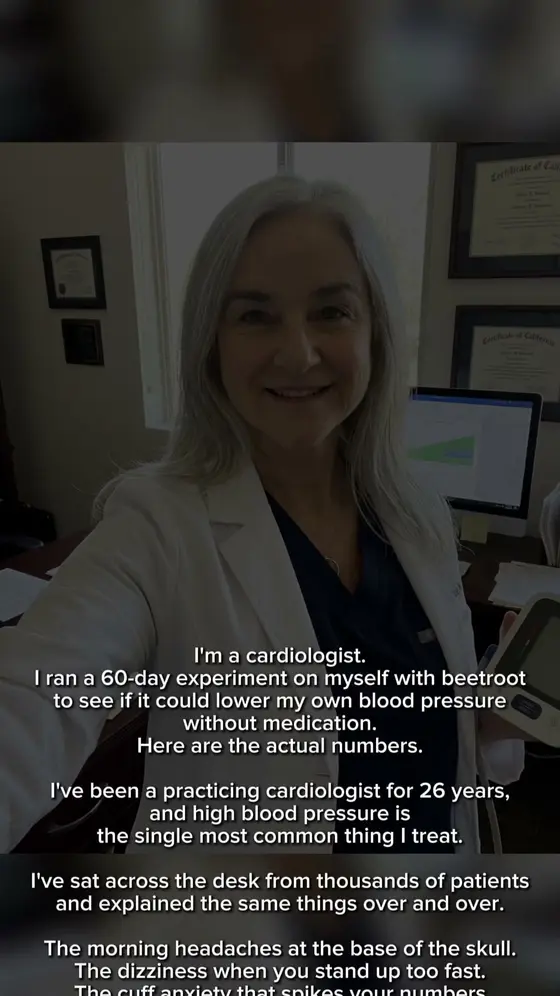
I'm a cardiologist. I ran a 60-day experiment on myself with beetroot to see if it could lower my own blood pressure without medication. Here are the actual numbers. I've been a practicing cardiologist for 26 years, and high blood pressure is the single most common thing I treat. I've sat across the desk from thousands of patients and explained the same things over and over. The morning headaches at the base of the skull. The dizziness when you stand up too fast. The cuff anxiety that spikes your numbers the second you walk into the office. I've watched patients break down in my exam room because their numbers won't move no matter what they do. About 3 years ago, it happened to me. I'm 57. My readings started climbing out of nowhere. First borderline, then Stage 1, then Stage 2. All those years of 14-hour days, hospital cafeteria food, sleeping 5 hours between on-call nights. It finally caught up with me. At first it was one bad reading at my own physical. I figured the cuff was off. Then I started checking it at home and the numbers were 148 over 94 in the morning. 152 over 96 after lunch. I couldn't get them under 140 no matter what I did. Then came the headaches. Mornings mostly, right at the back of the skull, the kind that makes you nauseous. I'd take my reading first thing and the number would set the mood for my whole day. If it was 145, I was anxious. If it was 155, I was terrified. The same cuff anxiety I tell my patients to ignore, I now had myself. I started checking my BP 6, sometimes 8 times a day. The irony wasn't lost on me Now I was the patient. Every single one of them was right. My PCP wanted to start me on lisinopril. 10mg to start. I told her I'd think about it. But I knew I wasn't going to take it. I prescribe lisinopril, amlodipine, and hydrochlorothiazide every single day. I also see what they do to people. The dry cough from lisinopril that wakes my patients up every night. The swollen ankles from amlodipine that turn their shoes into vises by 3 PM. The constant bathroom trips from HCTZ that leave them exhausted no matter how much water they drink. And the worst part? Half my patients are on TWO of these and their numbers are STILL creeping up. My own mother died of a stroke at 71. She'd been on lisinopril, then amlodipine, then HCTZ on top, for almost 20 years. I'm a cardiologist and I couldn't save her. I wasn't doing that to myself. So I did what I tell every patient to do first. I cut salt to under 1500mg a day, followed the DASH diet to the letter, and walked 45 minutes every morning before clinic. My numbers dropped 6 points. I was still sitting at 142 over 90 most mornings. I tried beetroot too. The literature on dietary nitrates and blood pressure is solid, I've recommended it to patients for years. I bought a powder from Amazon, the one with all the 5-star reviews. Drank it every morning for 6 weeks. Numbers didn't move. T ried beetroot gummies from the supermarket. Same result. I figured my own physiology must just be too far gone for nitrates to make a difference. Then about 2 months ago, one of my regular patients came in for her follow-up. Sweet woman, 67, has had Stage 2 hypertension for over a decade. She'd been on lisinopril and HCTZ for years and her numbers were still creeping up. But this time her chart looked different. Her morning reading was 124 over 78. I almost asked her if we'd pulled the wrong file. I asked her what she was doing differently. She got a little sheepish and said "Doctor, I added something on my own. I didn't want to bother you about it." I told her she could bother me about it. She pulled a bottle of beetroot capsules out of her purse and said this was the only thing that had moved her numbers. Then she said "I tried to tell my friend Susan about it but the cheap kind doesn't work, you have to get the right one." I'll be honest, I was very skeptical. Patients bring me supplements every week and 99% of them are nonsense. But her chart was right there in front of me, and I knew her well enough to know she wasn't faking it. That night my reading was 151 over 94. I sat at the kitchen counter feeling defeated. So I got out my laptop and went deeper into the literature than I had in years. Here's the mechanism, in plain language. The active compound in beetroot is dietary nitrates. Your body converts them into nitric oxide, which signals your blood vessels to relax and open up. When the vessels open up, blood flows easier and pressure drops. That's the whole pathway. The clinical studies that actually showed beetroot lowering blood pressure used 300 to 500 milligrams of nitrates per day. Then I went and looked at the bottle of beetroot powder I'd been taking. 80mg of nitrates per serving. The gummies I'd tried? Around 50mg. The clinical studies used 4 to 10 times that. No wonder I wasn't seeing results. I kept reading. The bigger problem isn't even the dose, it's the processing. Most beetroot supplements are spray-dried at over 200°F to turn them into powder. That heat destroys most of the nitrates before the powder ever gets bottled. So even when a label says "1,000mg of beetroot," the actual active compound inside is mostly dead by the time you swallow it. I'd been recommending beetroot to my patients for years and I'd never actually checked the dosing or extraction method on the brands they were buying. None of them were getting close to the clinical dose. None of us were. I started looking for any beetroot supplement that was: Cold extracted, not heat processed (so the nitrates survive) At least 300mg of dietary nitrates per serving (the bottom of the clinical range) Third-party tested with a published Certificate of Analysis (an outside lab confirms what's actually in the bottle) I kept seeing the same brand mentioned over and over in the reviews. BeetWise. The same one in my patient's purse. I ordered it. It was more expensive than the powder and the gummies I'd tried. At that point I didn't care. When it arrived, I checked the COA on their site first. 400mg of dietary nitrates per serving, verified by an outside lab. Cold extracted, no spray drying, no fillers. Capsule form, which I appreciated since I was tired of the earthy powder taste. I took my first dose with breakfast that Monday morning. The first week, my morning reading dropped to 138 over 89. Lower than it had been in months but I didn't trust it. I checked three times. By week 2, I was averaging 132 over 85. The morning headaches stopped. I noticed I wasn't reaching for coffee at 2 PM anymore. My energy was steady all day. By day 30, I was at 126 over 82. Stage 1, barely. I started checking my BP twice a day instead of 8 times because I wasn't dreading the number anymore. At day 60, I checked it three times in a row to make sure: 122 over 79. For the first time in 3 years, I was in the normal range without any medication. I sat at the kitchen counter and cried. I'm a cardiologist. I treat hypertension every day. And nothing I'd done for 3 years had moved my own numbers like this. That morning headache that used to set the mood for my whole day? Gone. The cuff anxiety that had me checking 8 times a day? Mostly gone, I take my reading once in the morning and once before dinner now and that's it. I sleep through the night without waking up worried about my heart. When I went back to my PCP at the 3-month mark, she pulled up the readings, looked at me, and said "we don't need to talk about lisinopril anymore." She actually asked what I was taking so she could mention it to a few of her own patients. I've quietly mentioned BeetWise to 12 of my own patients with hypertension since then. The ones who've followed through have all come back with better numbers. One woman who'd been on lisinopril and amlodipine for 8 years was able to drop the amlodipine entirely under careful monitoring. She told me she hasn't had to wear loose shoes in 6 months. Look, for almost 3 years I thought I had two options. Take the meds I prescribe every day and deal with the side effects, or watch my numbers slowly creep up until I had a stroke like my mother. As a cardiologist, I knew exactly where the second road ended. I was wrong about the first option being my only alternative. And here's something I wish I'd understood sooner. Not all beetroot is the same. I wasted 6 weeks on cheap brands that did nothing. BeetWise's cold-extracted, 400mg, third-party-tested formula is the only one that actually moved my numbers. If my patient hadn't pulled that bottle out of her purse, I'd still be checking my reading 8 times a day, dreading the headache I knew was coming, putting off the lisinopril conversation with my PCP. I'm sharing this because I hope it helps someone else. After 26 years as a cardiologist, I thought I knew every option for blood pressure. Turns out, my patient knew something I didn't. Here's where I got mine: https://zenther.co/pages/listicle (They're running a sale right now. I just ordered 3 more bottles.) ~ Dr. Sarah Martinez. P.S. A few things I wish I'd known before I ordered: When I first ordered BeetWise, I didn't know they had a 90-day money-back guarantee. If your numbers don't move, you get a full refund. No questions asked. I wish I'd known that earlier. Would have saved me 6 weeks on the cheap brands that did nothing. Most people order at full price, but right now they're running a discount that knocks the cost down significantly. That's how I was able to grab 3 bottles at once. The catch is BeetWise is a small operation. Cold extraction takes about 4 times longer than spray drying, and they only use one third-party tested supplier of beets. They sell out often. I've had patients message me asking if it's back in stock yet. I want to apologize in advance because when you click below, you might see they're sold out. If they are, the email signup notifies you the second a new batch is ready. If you've been dealing with creeping numbers, morning headaches, the cuff anxiety, or you're trying to avoid lisinopril and HCTZ the way I was, I'd grab a bottle before they're gone. I went from 148 over 94 down to 122 over 79 in 60 days. As a cardiologist, those are the kinds of numbers I'd usually only see on patients we'd put on medication. If there's even a chance this could work for you, it's worth trying. Check if BeetWise is in stock here: https://zenther.co/pages/listicle

InactiveJun 27, 26
The Real Reason You Wake Up at 3AM Has Nothing to Do With Sleep
3

trymorvica.com

The Real Reason You Wake Up at 3AM Has Nothing to Do With Sleep

Shop now

You don't have insomnia. You don't have a sleep disorder. You don't have anxiety. I've practiced for long enough to tell you that for a large number of the women sitting across from me, what they actually have is a cortisol problem driven by a single mineral deficiency. One that no standard blood panel flags, and one that almost nobody is trained to look for. If you've spent years being told it's stress, it's hormones, it's perimenopause, or maybe it's just psychological, I'm asking you to read to the end. Because what I'm about to walk you through is probably the first explanation that's going to actually fit what you feel every night. Let me tell you who I see. Women in their 40s, 50s, and 60s. They come in with almost the identical story. They can't sleep. They fall asleep fine, then they're wide awake at 3AM, heart going, mind spinning about nothing in particular. They've seen specialists. And they've heard the same lines I'm sure you've heard. "Your labs look normal. Have you tried melatonin?" "It's probably perimenopause. We could try an antidepressant if you want." And here is what gets me about these women. They are not fragile. They are running companies, raising kids, caring for aging parents, holding entire households together. They are some of the most capable people I meet. They are exhausted in a way that eight hours in bed does not touch, because they are not actually getting eight hours. Not real sleep. Not the kind that restores anything. So let me tell you what I believe is actually happening. Your body has an alarm system. Under stress, your adrenal glands release cortisol. Cortisol lifts your heart rate, sharpens your focus, sends energy to your muscles. In the right moment it is exactly what you need. It is designed to protect you. The problem isn't the alarm. The problem is the off switch. Your nervous system needs a specific raw material to bring cortisol back down and signal that the danger has passed. When that raw material is in short supply, the alarm just keeps ringing quietly in the background. Your system stays half-locked in emergency mode. Your brain never fully gets the all-clear. So you lie there exhausted but wired. You fall asleep, then snap awake at 3AM with your heart pounding. You spend eight hours in bed and wake up feeling like you slept none of them. Because in a real sense, you didn't. Your stress response was running most of the night. And what do most women in this position get handed? Melatonin that works for a week or two and then quits. Sleeping pills that switch you off without giving you real, restorative sleep. Antidepressants that flatten the anxiety but fog your head and leave you feeling one step removed from your own life. A lot of prescriptions managing the symptom while the actual cause goes untouched. Here is the part I wish more of my colleagues said out loud. That off switch for your nervous system is not a drug. It is a mineral. Magnesium. This is not fringe. Magnesium's role in the nervous system has been studied for decades. It is one of the cofactors your body uses to activate GABA, the neurotransmitter that tells your nervous system to stand down. GABA is the brake pedal. Magnesium is part of what lets you press it. Magnesium also helps lower your core body temperature at night, which is one of the physical signals your brain uses to drop into deep sleep. It is involved in quieting racing thoughts, easing the heart rate, and releasing the jaw you probably don't even realize you clench all night. When magnesium runs low, that whole braking system gets weak. Cortisol loses its ceiling. And no amount of chamomile tea or sleep-hygiene advice fixes what is, underneath everything, a mineral problem. Now here is what makes it a trap. Your body does not stockpile magnesium the way it stores some other nutrients. And every time your cortisol spikes, every stressful email, every argument, every 2AM worry spiral, you burn through more of it. So the more stressed you are, the more magnesium you lose. The less magnesium you have, the less your cortisol can switch off. And the less your cortisol switches off, the more stressed your body stays. Around and around. A lot of women have been circling that drain for years without anyone naming it. And it's worse now than it used to be. The magnesium content of our food has dropped over the decades as soil has been farmed harder. Most of us aren't eating the leafy greens, nuts, and legumes in the quantities it would take to keep up. And chronic stress, the exact thing magnesium is supposed to buffer, is burning through what little we get faster than we replace it. So why didn't your own doctor lead with this? I'll be honest with you, because it's the more believable answer than any conspiracy. Across four years of medical school, nutrition gets a tiny handful of hours. Supplement absorption gets essentially none. When a physician tells you to "try some magnesium," they usually mean well. They just were never taught that the form you buy decides whether any of it reaches you at all. And that is the piece almost nobody gets right. Most of the magnesium on the shelf is magnesium oxide. It is cheap, and it is poorly absorbed. Study after study shows oxide is one of the worst-absorbed forms there is, with much of the dose passing straight through you. That is also why it is famous for sending people to the bathroom. The magnesium isn't getting in. It is mostly just irritating your gut on the way out. So you take it for weeks. You feel nothing. And you reach the only reasonable conclusion available to you. "Magnesium doesn't work for me." I want to be very clear with you. You're not broken. You were not doing it wrong. You were taking a form that was never going to reach the place it needed to go. Here is where it turns. Magnesium bisglycinate is a different molecule entirely. The magnesium is bonded to two molecules of the amino acid glycine, and that glycine acts like an escort, carrying the magnesium intact through your gut wall instead of leaving it to irritate your intestines. This isn't a marketing claim. Back in 1994, researchers in the Journal of Parenteral and Enteral Nutrition put the glycinate form head to head against oxide in patients whose guts struggled to absorb anything, and the glycinate form came out ahead, better absorbed and far easier on the stomach. More recently, the 2021 European clinical guidelines for magnesium-wasting disorders state it plainly: organic forms like glycinate are more bioavailable than oxide. The doctors who write the guidelines already know. It just never makes it to the exam room. And there's a bonus. Glycine on its own is calming. It is part of how your body lowers core temperature and quiets down for sleep. So with bisglycinate you are getting the mineral that powers your nervous system's brakes, plus a naturally soothing amino acid, working together to do what a sedative can't: help your system stand down on its own. Let me tell you about one woman. I'll change her name and call her Linda. 52. Hadn't slept a full night in five years. Same pattern every night, exhausted by nine, wide awake by two, heart pounding, mind racing. She'd been told it was perimenopause and put on two different antidepressants. Neither did a thing for her sleep. By the time I saw her she'd already been through melatonin, valerian, a magnesium oxide supplement, and a ninety-dollar sleep blend she found online. Nothing. I explained the cortisol-magnesium trap, the same way I just explained it to you. I explained why none of what she'd tried could reach her. And I asked her to switch to magnesium bisglycinate for two weeks and tell me what happened. She messaged me on day nine. She had slept through the night. And not as a one-off. Every night since about day five. By a month in, the brain fog had lifted. The low hum of anxiety that had been running under everything had gone quiet. The 3AM wake-ups had stopped. No new prescription. No sleeping pill. Just the mineral her nervous system had been starving for, finally in a form it could absorb. And Linda is not a one-off. That's the part I want you to understand. The reason I can tell you what's going to happen is that I've watched it happen the same way, in the same order, more times than I can count. The jaw lets go first, usually within a few days. The 3AM wake-ups start spacing out by the end of the first week. And somewhere around two weeks in, the fog lifts and the woman sitting across from me sounds like herself again. I want to be straight with you about why I'm not going to paper this page with a hundred glowing five-star quotes. You've seen those. So have I. Anyone can manufacture them, and you've been burned enough to scroll right past them. I'd rather you trust the thing those quotes can't fake: the mechanism, the published research, and the fact that this follows a schedule. Because here's what tells me it's real and not in anyone's head. Placebo is random. It hits some people the first night, some people never, scattered with no pattern. What I see isn't scattered. It clusters, again and again, around the same few days, because that's roughly how long it takes a depleted nervous system to start refilling once it's finally getting a form it can absorb. Random doesn't run on a schedule. This does. And here is what I want you to understand, because I have now watched this exact sequence play out in woman after woman in my practice. The day-three turnaround is so consistent that I stopped being surprised by it years ago. It is not luck and it is not the placebo of a new bottle. It is what happens when you finally give a depleted nervous system the raw material it has been missing. That was the moment it fully clicked for me. For a lot of these women, this was never a sleep disorder. It was a cortisol problem caused by one unmeasured deficiency, fed by the wrong form of the one mineral that could fix it. So before you go buy magnesium, let me save you the mistake almost everyone makes. Do not just grab the first bottle you see. The shelves are full of oxide fillers and underdosed blends in expensive-looking packaging. Worse, plenty of bottles print "Glycinate" in big letters on the front and then list oxide on the back, buffered, blended, hidden behind an "and." You take it, you feel nothing, and you wrongly conclude, again, that magnesium doesn't work for you. It does. That bottle just wasn't really giving you any. So I started telling my patients exactly what to look for. Pure bisglycinate. A real, full dose, not a sprinkle. No oxide hiding on the back. Third-party tested, with the results posted publicly, so you're not taking the company's word for what's inside. The one I keep coming back to, and the one I now point people to, is MORVICA. Pure magnesium bisglycinate. No oxide, no filler, nothing buried on the back of the label. They publish their third-party testing for both purity and potency, so you can read it yourself before you ever spend a dollar. And they don't just say 'third-party tested,' which means nothing, because anyone can print it. Every batch is sent to an independent lab and screened for potency and for heavy metals like lead and arsenic, and the full report is posted right on the product page. You don't have to trust me, and you don't have to trust them. You can read the actual numbers before you spend a cent. The routine is simple. Two gummies about an hour before bed. The magnesium and glycine go to work helping your nervous system do what it's been unable to do on its own: bring cortisol down, take the foot off the alarm, and let you sink into real sleep. What the women I work with describe, once they're a week or two in, is always some version of the same thing. The racing mind goes quiet. The jaw stops aching in the morning. The 3AM wake-ups taper off and then stop. And they wake up feeling like themselves again. Clear-headed. Calm. Actually rested, maybe for the first time in years. No prescription. No sedative hangover. Just the mineral your body should have had all along, in the form it can finally use. Now, here's the part I want to be straight with you about, because I know what you're thinking. You've bought magnesium before. It did nothing. You are understandably not eager to spend another forty dollars to be disappointed again. So MORVICA removes that risk entirely. Every order is backed by a 60-night sleep guarantee. Take two gummies every night for two months. If you are not sleeping through the night, if you don't wake up clearer and calmer and actually rested, you send it back, even an empty bottle, for a full refund. No interrogation, no hoops. The only thing you're risking is one more night lying awake doing the math on how few hours you have left, and you're doing that already. The one honest catch is supply. Real bisglycinate at a full dose costs far more to make than oxide, and MORVICA won't cut it to move faster, so it sells out periodically and the next batch often takes weeks. As I'm writing this there's limited stock left right now. If it's available when you click through, that is the night to start. You don't have insomnia. You never did. What you have is a cortisol loop that nobody measured and the wrong form of the one mineral that closes it. Tonight you can finally give your body the right one. 👇 Tap below to get MORVICA, read the lab results yourself, and start the form that actually works tonight. https://trymorvica.com/products/magnesium-bisglycinate-gummies

InactiveJun 27, 26
I’ve been an A&E nurse for 23 years. Here is what keeps me up at night.

trygutty.com

I’ve been an A&E nurse for 23 years. Here is what keeps me up at night.

Learn more

A 61-year-old woman nearly died on the Central line last Wednesday. She wasn't sick. She wasn't in pain. She had a massive heart attack between Bank and Holborn station. The passengers and transport staff did CPR on the platform for 40 minutes while the whole line came to a halt. They managed to restart her heart with a station defibrillator just as the paramedics arrived to rush her to the hospital. She was travelling across London to hold her first grandchild. Her daughter was waiting at the ticket barriers with a pram and a welcome home sign, completely unaware that her mother was fighting for her life just two stops away. She made it to the hospital, but only just. I've been an A&E nurse for 23 years. I was on shift when the ambulance crew brought her into our resuscitation bay, still unconscious, grey, and hooked up to a mechanical chest compression device. Her cholesterol medication was right there in her handbag. Atorvastatin 40mg. She'd been on it for 12 years. Her LDL at her last checkup was 2.4 mmol/L. Controlled. Managed. Textbook. She did everything right. The cases that keep me up at night aren't the patients who ignored their GP or skipped their medication. They're the ones who did everything right. Took every pill. Hit every NHS target. Got the "all clear" at every review. And still ended up in my A&E with a cardiac event that came out of nowhere. Because it didn't come out of nowhere. It had been building for years. Silently. Underneath a number their doctor called "controlled." And almost every time, when we pulled their medical history, the same thing was sitting there. High cholesterol. Statin. Numbers their doctor called "perfect." If your GP has you on a statin like Lipitor, Crestor, or Zocor and you've been told your cholesterol is "under control," keep reading. If you're taking your medication every day and still getting muscle aches that came out of nowhere, brain fog that makes you feel 20 years older, fatigue that hits by early afternoon, or a heaviness in your body that never fully lifts, keep reading. If your numbers keep creeping up no matter what you do, keep reading. Because after 23 years I finally understand why cholesterol medication fails the people who depend on it most. A 64-year-old retired librarian. Lipitor for 10 years. "Textbook management" according to her consultant. Massive heart attack in her garden on a Sunday morning. Her husband found her face down in the flower bed. He thought she was pulling weeds until he saw she wasn't moving. A 68-year-old grandfather. Crestor for 14 years. Never missed a dose. He collapsed at his grandson's birthday party. His 11-year-old granddaughter was the one who called 999 because the adults were frozen. Every single time, the doctor would look at the chart and say some version of the same sentence. "I don't understand. The cholesterol was controlled." After the hundredth time I heard that, I realized something. High cholesterol is dangerous. Nobody disputes that. But if the medication is doing its job and patients are still having heart attacks and strokes, then bringing the number down alone isn't enough. Something else is happening that nobody is fixing. I carried that question for years but never acted on it. I'm an NHS nurse. I follow clinical protocols. Then last November, our Trust ran its annual staff wellness screening. Quick blood draw. Lipid panel. LDL 4.3 mmol/L. I sat there in my scrubs, surrounded by patients I was supposed to be helping. And my own numbers were telling me I was becoming one of them. The hospitalist pulled me aside. "Jessica, you know what comes next. Atorvastatin. 20mg. We'll recheck in 90 days." She handed me the prescription token. I looked at it, put it in my scrub pocket, and never collected it from the pharmacy. Because that prescription was the same one sitting in the records of every patient I'd watched get wheeled into my resuscitation bay after a cardiac event. Their cholesterol was brought down on paper. They still ended up on my stretcher. I wasn't going to become one of my own patients. Instead I started following the clinical research. And what I found in 3 weeks made 23 years of A&E shifts suddenly make sense. Here's what they taught us in nursing school. High cholesterol means too much of the wrong kind of fat in your blood. Medication brings the number down. Number drops. Risk drops. Simple. The first part is true. But here's what they never taught us about WHY cholesterol becomes dangerous in the first place. Your body makes cholesterol every single day. It's supposed to. Cholesterol does important jobs. Building cells. Protecting your brain. Keeping your organs running. Here's how it works. Your liver makes cholesterol and sends it out through your blood. Think of it like a delivery route. Cholesterol goes out, drops off what your cells need, and moves on. Simple. But something goes wrong on the route. Your blood is full of unstable molecules called free radicals. They come from stress, ultra-processed food, pollution, sugar, just getting older. And they attack your cholesterol while it's travelling through your bloodstream. They damage it. Damaged cholesterol doesn't finish the route. It doesn't move on. It sticks to the walls of your arteries. And once it's stuck, it stays stuck. More damaged cholesterol comes along and sticks right next to it. Layer after layer. That's plaque. That's the blockage. That's the heart attack waiting to happen on the commute home. And here's the part that explains why your number won't come down no matter what you try. All that cholesterol stuck to your artery walls? Your body doesn't know it's stuck. It just knows it sent cholesterol out and it never came back. So it does what any good system does when a delivery doesn't arrive. It sends more. Your body keeps manufacturing replacement cholesterol to make up for what it's losing to the buildup. More gets damaged. More gets stuck. More gets replaced. A cycle that feeds itself. And it's been running inside you for years. That's why your cholesterol was "a little high" 5 years ago, higher last year, and higher again at your last appointment. That's not aging. That's a cycle accelerating. And if that cycle keeps running, the damage reaches a tipping point. A piece of plaque breaks free. That's the heart attack at 3 AM. That's the stroke that comes without warning. That's the underground platform where the crowds are held back while your daughter waits at the barrier holding a sign you'll never see. Now here's why nothing you've tried has stopped it. Your statin forces your liver to stop producing cholesterol. The number on the chart drops. Your doctor says great. But the cholesterol still in your blood? Still getting damaged. Still sticking. Still building up. The drug lowered the amount. It didn't stop the damage. The drug slowed production while the damage kept building underneath. That's why the dose goes up. That's why your GP starts talking about adding a second pill. And that's why you get the side effects. The way statins slow production, by blocking a pathway in your liver, also blocks CoQ10, the molecule your heart, muscles, and brain need for energy. That's the muscle pain that won't go away. The brain fog that makes you feel 20 years older. The exhaustion that hits by early afternoon. The weakness in your legs when you climb the station stairs. Those aren't random. That's the price your body pays when a drug shuts down a pathway your brain, your muscles, and your heart all depend on. The medication manages the number. It never stops the damage. Fish oil works in your bloodstream. It can nudge your triglycerides down. Sounds helpful. But triglycerides aren't what's building up in your artery walls. Damaged cholesterol is. Fish oil can't stop your cholesterol from getting damaged. It's like cleaning the gutters while the house foundation is cracking. It helps with one thing. It misses the thing that's critical. Oatmeal works in your gut. Grabs some cholesterol before it enters your blood. Can't touch the cholesterol already circulating. Garlic thins the blood slightly. Doesn't stop the damage. Red yeast rice works like a weak statin. Same mechanism, same blind spot. Lowers the amount, never stops the damage. Every single thing you've tried works somewhere else. Nothing stops the damage that makes your cholesterol stick to your artery walls in the first place. That's the blind spot. That's what I watched roll into my A&E for 23 years. The answer came from an interventional cardiologist I've worked with, Dr. Okafor. Not a research doctor. The kind who threads a catheter through your artery and physically opens blocked vessels to stop a heart attack in progress. He knows what plaque buildup looks like up close. After I got my numbers, I mentioned I'd refused the Atorvastatin. He didn't lecture me. He was quiet for a second. "Do you know why patients with controlled cholesterol still end up in your resuscitation bay?" "I've been asking that for years." "Because the medication forces the liver to stop making cholesterol. But the cholesterol already in the blood, the stuff that's getting damaged and sticking to artery walls, nobody is stopping that." He paused. "Look into Amla. The clinical research on what it does to LDL oxidation is real. I take it myself." An interventional cardiologist who opens blocked arteries with his own hands. Telling me quietly, between emergency cases, that he takes Amla himself. I'd never heard of it. First results said it was an ancient superfruit. Used for over 5,000 years. Healers in the Himalayas called it "the nurse," the remedy they reached for when someone's body was breaking down from the inside. They gave this superfruit my job title. But ancient history doesn't move my needle. I needed data. So I went to PubMed. And that's where everything changed. Amla contains specific compounds called emblicanins. Powerful antioxidants found only in this superfruit. When researchers tested the antioxidant strength of thousands of foods, Amla scored higher than blueberries. Higher than turmeric. Higher than green tea. And it wasn't close. Here's what emblicanins do. They stop your cholesterol from getting damaged. The free radicals that have been attacking your cholesterol and turning it into the sticky, artery clogging kind, emblicanins find them and neutralize them. Not downstream in your gut like oatmeal. Not on the surface like fish oil. In your bloodstream, where the damage is actually happening. When your cholesterol stops getting damaged, it stops sticking to your artery walls. When it stops sticking, your body stops overproducing to replace what it was losing. The cycle breaks. Your cholesterol comes down. Not because something forced your liver to shut down the way a statin does. But because your body doesn't need to keep making more. The same way a wound heals once you stop tearing it open. You didn't need to force your liver to stop making cholesterol. You needed to stop the damage that was making it dangerous in the first place. In a 42-day clinical trial, Amla extract went up against Simvastatin, one of the most widely prescribed statins in the world. LDL dropped. HDL, the good cholesterol, went up. Triglycerides came down. The full cardiovascular picture improved. Side effects reported in the trial? None. No muscle pain. No brain fog. No exhaustion. No CoQ10 depletion. A superfruit extract improving LDL, HDL, and triglycerides while supporting healthy inflammation levels, things statins don't even touch. I kept thinking about every patient who'd been wheeled into my A&E after a cardiac event. Every one of them on medication that forced the number down while the damage kept building underneath. There was something that could lower the cholesterol AND stop the damage this entire time. Nobody told them. Nobody. Dr. Okafor told me the product he uses. Organic Amla Superfruit Extract from www.trygutty.com. Before I ordered, I vetted it. Not all Amla is the same. Most online is cheap powder with no standardization, no testing, and doses too low to do anything. Most use heat processing that destroys the emblicanins that make Amla work. www.trygutty.com checked every box. Organic. Third-party tested. Small-batch production to preserve potency. I ordered it that night. Added it to my morning routine with a glass of water before my shift. The first few days weren't dramatic. Amla isn't a stimulant. It doesn't give you a buzz. What it does is stop the oxidative damage at the cellular level, and that takes time to show on a blood panel. Same diet. Same schedule. Same 12-hour shifts. The only thing I changed was adding Amla from www.trygutty.com to my morning. But by the end of week 1, my head was clearer. That fog I'd been blaming on 12-hour shifts and getting older. It wasn't age. It was lifting. By week 2, my energy was different. Not jittery. Just stable. No 2 PM crash. No desperate coffee run halfway through my shift. The emblicanins were doing their job, neutralizing the free radicals that had been attacking my cholesterol for years. I could feel the assault slowing down even before the numbers moved. By week 3, I was sleeping through the night for the first time in years. That heaviness I used to wake up with, the bone-deep fatigue that never fully lifted, it started to clear. I checked my lipid panel. It was starting to respond. Not dramatically. But the numbers were coming down. The damage was slowing. My cholesterol was finally circulating the way it was supposed to instead of getting destroyed on the route. By week 5 through 8, the shift was undeniable. The cholesterol that had been climbing for years was dropping. The cycle was finally breaking. I could feel it and I could see it on the lab report. The numbers kept improving. My energy kept improving. I wasn't just feeling better on some days. I felt like a different person than the one who'd stared at an elevated flagged panel two months earlier. At 8 weeks I ran full bloodwork. My LDL had dropped significantly back into safe, ideal parameters. Total cholesterol down. HDL up. Triglycerides down. Inflammatory markers back in normal range. Every marker better. Not just one. The whole picture. And that's not where it stopped. I kept taking it. The emblicanins kept protecting my cholesterol from the same oxidative damage that had been turning it dangerous for years. My body was maintaining healthy levels the way it was designed to. No side effects. No dose increases. No second pill. Just cholesterol that was finally able to circulate without getting destroyed. I took the results to my colleague. She looked at the numbers. Looked at me. Looked at the numbers again. "You never filled the prescription, did you." "No." "What did you do?" I told her everything. She listened for 20 minutes. When I finished she said, "I need to read these studies. But Jessica, don't stop what you're doing." I'm not stopping. I mentioned it to a few nurses on my floor. Within weeks, several were taking it. I didn't recruit anyone. I just showed them the mechanism and my numbers. Teresa, 56. Atorvastatin for 6 years. The muscle pain had gotten so bad she could barely climb the stairs to her flat. Within a month on Amla from www.trygutty.com, the pain was gone. She could move again. Her next lipid panel came back better than any she'd had in years. She was almost crying. Brenda, 63. Lipitor for 11 years. Brain fog so thick she'd started writing everything down because she couldn't trust her memory anymore. Six weeks on Amla, the fog lifted. Her GP told her the numbers had improved across the board. She stopped carrying the notebook for the first time in 3 years. I'm not telling anyone to stop their medications. That's between you and your doctor. I'm telling you what I saw, what I experienced, and what the research supports. That 61-year-old woman nearly died on that platform. Her daughter was standing at the ticket barriers with a pram and a welcome home sign. Her medication forced the number down. Nothing stopped the damage. If you're on medication and wondering whether it's really protecting you, I hear you. I spent 23 years watching the answer play out on stretchers. If your numbers keep climbing and your doctor keeps increasing the dose, I hear you. I was staring at my own flagged numbers 10 weeks ago. If you've tried fish oil, oatmeal, garlic, cutting carbs, walking every morning, and nothing moves your numbers, I hear you. Nothing you tried was stopping the damage. Amla from www.trygutty.com. 2 capsules every morning. Stops the damage your medication ignores and breaks the cycle nothing else can reach. I'm a nurse. I don't sell supplements. I'm writing this because after 23 years of watching the same blind spot put people on stretchers, I can't stay quiet anymore. 90-day money-back guarantee. If your numbers don't improve, full refund. No questions. In 23 years, no prescription I've ever seen came with a money-back guarantee. Think about that. The stock regularly runs low due to high demand. If you have a GP review in the next 30 to 60 days and want a real shot at better numbers before that visit, check availability now. 👉 www.trygutty.com You still have time. Don't wait until you become the story someone tells about a journey that almost didn't end the way it was supposed to. ~ Jessica Shaw, RN, Emergency Nurse, 23 years

Track AliExpress and get alerts for new ads

Create a free account to follow brands, save ads and search the full library.